
Welcome to EverClean Mold Removal
Mold Remediation Tampa
15+
Who we are
Get to Know the Experts Behind EverClean Mold Removal.
Dedicated to restoring healthy, mold-free spaces for over 15 years.
Effective Tips for Mold Removal Tampa Residents Can Rely On
Mold is a common household issue that can lead to health problems and damage to your property if left untreated. It thrives in damp, dark, and humid conditions, making it essential to address mold growth as soon as you spot it. Proper removal techniques depend on the type of surface affected and the extent of the infestation. This guide provides actionable steps to effectively remove mold from various home surfaces while preventing its recurrence.
Identifying Mold in Your Home
Mold comes in many types, but common indoor molds include black mold (Stachybotrys), Penicillium, and Aspergillus.
– Look for discoloration on surfaces (black, green, yellow, or white spots).
– Check areas with high moisture levels like bathrooms, basements, kitchens, or around windows.
– Notice any musty odors which often indicate hidden growth.
Tools and Supplies Needed for Mold Removal
Before starting the cleaning process, ensure you have the proper tools and safety equipment:
– Protective Gear: Gloves (rubber or latex), goggles, N95 respirator mask.
– Cleaning Solutions: Distilled white vinegar, baking soda solution, hydrogen peroxide (3%), or a commercial mold remover. Avoid bleach unless necessary as it’s less effective on porous surfaces.
– Tools: Scrub brushes (soft-bristled for delicate surfaces), microfiber cloths or sponges, spray bottles.
– Other Essentials: Garbage bags for disposing of contaminated materials; dehumidifier or fan to dry cleaned areas.
Removing Mold from Different Surfaces
- Use a vacuum with a HEPA filter to remove loose spores first.
- Apply white vinegar directly onto the surface using a spray bottle and let it sit for an hour before scrubbing gently with a soft brush. Avoid soaking wood excessively to prevent further damage.
- For drywall that’s severely infested or crumbling due to moisture damage, replacement may be necessary.
- Mix one part hydrogen peroxide with two parts water in a spray bottle.
- Spray the solution onto affected areas and let it sit for 10–15 minutes.
- Wipe clean with a microfiber cloth.
- Remove as much visible mold as possible using a vacuum cleaner equipped with a HEPA filter.
- Blot the area gently using soap and water before applying a baking soda solution to neutralize odors.
- Allow carpets time to dry completely before reusing them.
- Use undiluted vinegar on grout lines by spraying directly onto affected areas.
- Scrub firmly using an old toothbrush before rinsing thoroughly.
Preventing Mold Growth After Cleaning
| Action | Benefit |
| Use dehumidifiers | Reduces indoor humidity levels below 50%, discouraging mold growth. |
| Fix leaks immediately | Prevents excess moisture buildup in walls or ceilings caused by plumbing issues. |
| Ventilate rooms | Improves airflow; open windows/use exhaust fans after cooking/showering. |
| Inspect HVAC systems | Ensures air conditioning units are free from moisture accumulation inside ducts. |
By following these methods consistently over time while monitoring high-risk zones regularly—such as bathrooms—you can keep your home safe from recurring mold issues efficiently without unnecessary expenses later down line
Comprehensive Guide to Mold Remediation Tampa: Tips for Fabric and Clothing
Mold on fabric and clothing is not only unsightly but can also pose health risks if left untreated. Removing mold from these materials requires a systematic approach to ensure the spores are effectively eliminated without causing damage to the fabric. Here’s a step-by-step guide to help you address mold growth on your garments and textiles.
Comprehensive Mold Inspection Tampa Services to Assess Damage
Before attempting to clean moldy clothing, evaluate the extent of the contamination.
– Mild Growth: A few small spots or faint discoloration.
– Moderate Growth: Visible patches of mold covering areas but not widespread.
– Severe Growth: Larger sections covered in mold, accompanied by a musty odor.
If the damage is significant or irreparable, it may be more practical to discard the item rather than risk further contamination of other fabrics.
Essential Safety Precautions for Water Damage Restoration Tampa FL
Handling moldy items can expose you to harmful spores.
– Keep children and pets away from the cleaning area.
Essential Pre-Treatment Steps for Mold Remediation Tampa FL
- Take the affected clothing or fabric outside to prevent spreading spores indoors.
- Shake off excess spores outdoors before proceeding with cleaning.
Effective Tampa Mold Remediation Methods for a Cleaner Home
Vinegar is an effective and natural solution for killing most types of household molds. – Let it sit for 30 minutes before laundering as usual.
Baking soda helps eliminate odors while also removing light mold stains. – Add half a cup of baking soda directly into your washing machine along with detergent. – Wash at the highest temperature safe for your clothing material (check care labels).
For stubborn cases, consider using specialized laundry additives designed for mold removal.
Effective Mold Remediation Tampa FL: Tips for Drying Mold-Affected Clothing
Proper drying is crucial after cleaning to prevent future growth: 1. Use sunlight whenever possible—UV rays kill remaining spores efficiently. 2. If drying outdoors isn’t feasible, use a dryer on low heat settings until completely dry. 3. Avoid leaving damp clothes in enclosed spaces like closets or hampers.
Effective Mold Removal Tampa FL: Preventing Future Mold Growth on Fabrics
Preventative measures can save time and effort down the line: – Store clothes in dry, ventilated areas free from humidity. – Avoid leaving wet laundry sitting in washing machines for extended periods. – Use dehumidifiers in rooms prone to moisture buildup.
By following these steps carefully, you can restore your fabrics while minimizing potential risks associated with mold contamination.
Finding the Best Mold Specialist Tampa Offers for Safe Removal at Home
Mold growth on hard surfaces is a common problem, especially in areas prone to high humidity, water damage, or poor ventilation. Addressing mold promptly and safely is essential to maintaining a clean and healthy home environment. Below is a step-by-step guide to removing mold from hard surfaces, along with tips for ensuring the process is effective and safe.
Steps to Safely Remove Mold from Hard Surfaces
- Assess the Surface
Identify the type of surface you’re dealing with. Hard, non-porous materials like tiles, glass, metal, and finished wood are easier to clean than porous materials like untreated wood or drywall. - Wear Protective Gear
Mold removal can release spores into the air. - Wear gloves (nitrile or rubber are ideal).
- Use safety goggles without ventilation holes to protect your eyes.
- Put on an N95 mask or similar respirator to avoid inhaling spores.
- Gather Cleaning Supplies
Use appropriate cleaning solutions based on the severity of mold growth: - Mild cases: A mixture of dish soap and water.
- Moderate cases: White vinegar (undiluted works best).
- Severe cases: A diluted bleach solution (1 cup of bleach per gallon of water).
- Prepare the Area
To prevent spores from spreading: - Ventilate the area by opening windows if possible.
- Seal off unaffected areas with plastic sheeting or towels at doorways.
- Remove Visible Mold
Follow these steps carefully: - Dip a sponge or scrub brush into your chosen cleaning solution.
- Scrub the moldy area thoroughly but gently to avoid damaging surfaces.
- Rinse with clean water and pat dry using a microfiber cloth.
- Treat for Residual Spores
Once visible mold is removed: - Apply white vinegar directly to the cleaned surface as an extra precaution.
- Allow it to sit for 1 hour before wiping it away.
- Dispose of Contaminated Materials Properly
After finishing:- Place used cleaning tools (e. g. , sponges) in sealed plastic bags before discarding them.
- Wash reusable tools thoroughly with hot, soapy water.
Preventing Mold Growth on Hard Surfaces
- Control Humidity Levels:Use dehumidifiers or air conditioners to maintain indoor humidity levels below 60%.
- Fix Water Leaks:Address plumbing leaks promptly and dry any affected areas thoroughly.
- Improve Ventilation:Install exhaust fans in bathrooms and kitchens where moisture tends to accumulate.
- Clean Regularly:Wipe down hard surfaces frequently using mild cleaners that inhibit mold growth (e. g. , vinegar-based solutions).
- Store Items Properly:Avoid placing furniture or other items directly against walls in damp-prone areas.
| Cleaning Solution | Best For | Application Tips |
| Dish Soap + Water | Light mold buildup | Gentle on finished surfaces; scrub with care |
| White Vinegar | Moderate mold growth | Apply undiluted; let sit for at least an hour |
| Bleach Solution | Severe infestations | Use only on non-porous surfaces; ensure proper ventilation |
By adhering to these steps and preventive measures, you can effectively eliminate existing mold from hard surfaces while reducing its chances of recurrence. Always prioritize safety by wearing proper protective gear and using cleaning products responsibly during any mold remediation efforts.
Understanding the Key Differences Between Mold and Mildew
Mold and mildew are common household nuisances, often associated with moisture problems. Despite their similarities, mold and mildew have distinct characteristics that require different approaches to identification, prevention, and remediation. Understanding these differences is essential for choosing the right strategy to combat and prevent their growth.
What Are Mold and Mildew?
- Mold: A type of fungus that grows in multicellular structures called hyphae. Mold thrives in damp, humid environments and can appear in various colors such as green, black, or yellow. It often penetrates surfaces deeply, making it more challenging to remove.
- Mildew: Mildew is also a fungus but remains relatively superficial compared to mold. It typically appears as a flat growth on surfaces like walls or fabrics. Mildew is usually white or gray in color and has a powdery texture.
Key Differences Between Mold and Mildew
| Feature | Mold | Mildew |
| Appearance | Fuzzy or slimy texture; can be green, black, yellow, or blue | Flat or powdery texture; white or gray |
| Location | Found on walls, ceilings, floors; penetrates porous materials like wood or drywall | Commonly forms on moist surfaces like tiles or fabrics |
| Growth Depth | Grows deeper into organic materials | Remains on the surface of affected areas |
| Odor | Strong musty odor | Less intense odor |
| Health Risks | Can cause respiratory issues, allergies, skin irritation | Typically less harmful but can still cause allergies |
How to Identify Mold vs.
- Check color: If the growth appears darker (e. g. , green/black), it is likely mold. If it is lighter (e. g. , white/gray), it’s probably mildew.
- Assess texture: Touch the area carefully with gloves—mold tends to feel slimy or fuzzy while mildew feels powdery.
- Look at the location: Mildew commonly appears on showers, windowsills, or fabrics; mold is more likely found in ceilings, basements, attics, and other areas with excessive moisture.
Health Impacts of Mold vs.
- Respiratory problems such as coughing and wheezing
- Aggravation of asthma symptoms
- Skin irritation
- Long-term exposure may lead to serious conditions like fungal infections
- Allergic reactions like sneezing or itchy eyes
- Mild respiratory discomfort for sensitive individuals
Prevention Strategies for Both Mold and Mildew
- Control indoor humidity levels (ideally between 30%–50%).
- Fix any plumbing leaks immediately.
- Ensure adequate ventilation in high-moisture areas such as bathrooms and kitchens.
- Use a dehumidifier in damp spaces like basements.
- Clean areas prone to moisture regularly using disinfectants.
By understanding these key differences between mold and mildew—as well as how they grow—you’ll be better equipped to handle them effectively before they pose significant risks to your home’s structure or your family’s health.
Finding Trusted Mold Remediation Professionals in Tampa FL for Your Home
While minor mold problems can often be handled with proper cleaning methods and household products, there are situations where professional intervention is necessary. Understanding when to seek professional help ensures the safety of your home and your family. Below are key scenarios that warrant calling a certified mold remediation specialist.
Extensive Mold Growth
If mold covers an area larger than 10 square feet (approximately a 3-foot by 3-foot section), it is usually recommended to consult a professional. Large-scale infestations may indicate underlying issues, such as hidden leaks or widespread moisture problems, that require expert attention.
Signs of Extensive Growth:
- Visible patches of mold spreading across walls, ceilings, or floors.
- Persistent musty odor throughout the home.
- Mold recurring after repeated cleaning efforts.
Hidden Mold Problems
Mold doesn’t always grow in visible areas. It can thrive behind walls, under flooring, or within HVAC systems. If you suspect hidden mold due to an ongoing smell of dampness or unexplained health symptoms (such as allergies or respiratory issues), professionals can use specialized tools like moisture meters and infrared imaging to locate the problem.
Common Areas for Hidden Mold:
| Location | Possible Cause |
| Behind drywall | Leaking pipes |
| Beneath carpets | Water spills or flooding |
| Inside air ducts | Condensation or humidity |
Health Concerns
Mold exposure can lead to serious health complications for some individuals, especially those with asthma, allergies, or weakened immune systems. If anyone in your household experiences symptoms such as persistent coughing, wheezing, skin irritation, or headaches that seem worse at home, it’s wise to consult both a medical professional and a mold remediation expert.
Call a Professional If:– Household members have pre-existing respiratory conditions. – Symptoms worsen after spending extended periods indoors. – DIY cleanup attempts aggravate symptoms.
Structural Damage
In severe cases, mold can compromise the structural integrity of your home by deteriorating materials like wood and drywall. If you notice sagging ceilings or warped floors caused by excessive moisture and mold growth, prompt professional action is essential to prevent further damage.
Lack of Proper Tools and Expertise
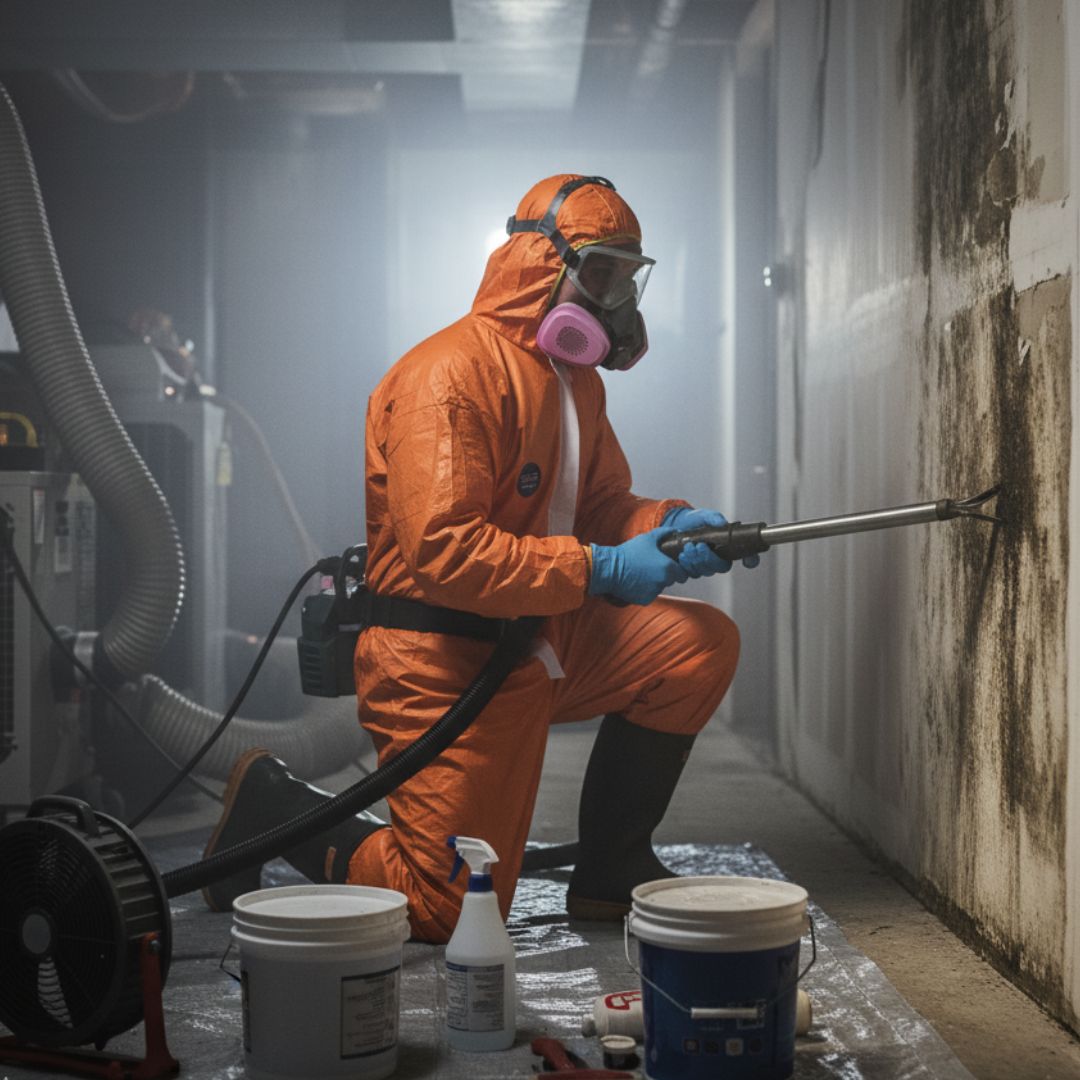
Attempting to remove mold without the appropriate equipment can inadvertently spread spores and worsen contamination. Professionals use advanced techniques such as HEPA vacuuming and negative air pressure systems to safely eliminate mold without cross-contaminating unaffected areas.
Benefits of Hiring Professionals:
- Thorough inspection using specialized tools.
- Safe removal methods that comply with industry standards.
- Preventative measures to reduce future growth risks.
Post-Flooding Situations
After severe flooding or water damage incidents lasting more than 48 hours, it’s highly likely that mold has started developing. Professionals are better equipped to handle these situations efficiently while preventing long-term complications like rot and lingering odors.
By recognizing these warning signs early on and acting promptly with professional assistance when necessary, homeowners can mitigate risks associated with prolonged mold exposure while safeguarding their property investments effectively.
Our value
Your Trusted Partner for Professional Mold Removal & Remediation Solutions
We are committed to helping homeowners and businesses create safe, healthy, and mold-free environments. Our certified experts provide thorough inspections, advanced remediation, and long-term prevention to ensure lasting protection for your property.
To be the leading mold remediation company known for restoring safe indoor environments and improving the health and well-being of every client we serve.
To provide reliable, eco-friendly, and efficient mold removal services using advanced technology and industry best practices — ensuring your home remains clean, dry, and free from harmful mold.
What we offer
Customized Pest Control Plans for Homes and Businesses.
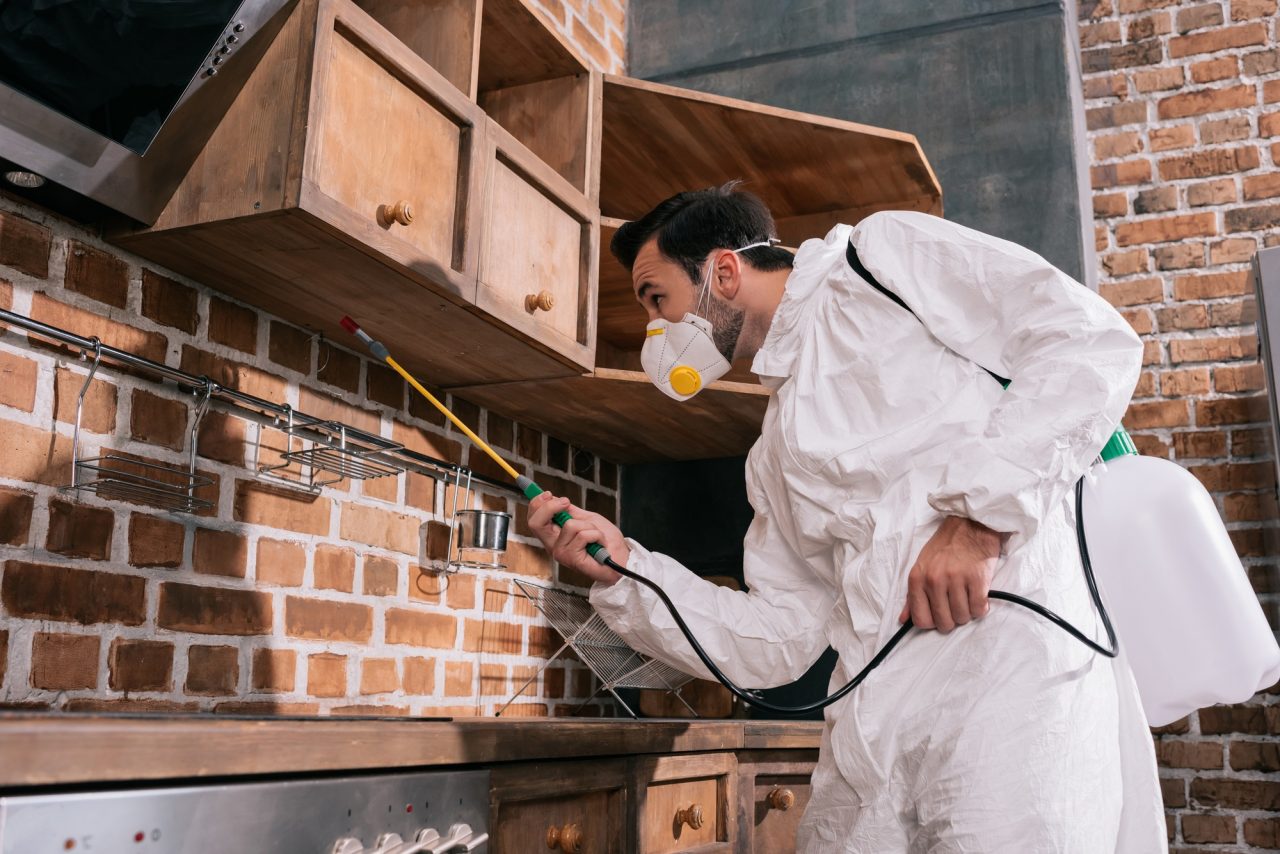
Professional inspection to detect visible and hidden mold growth, ensuring a safe and healthy living environment for your family.
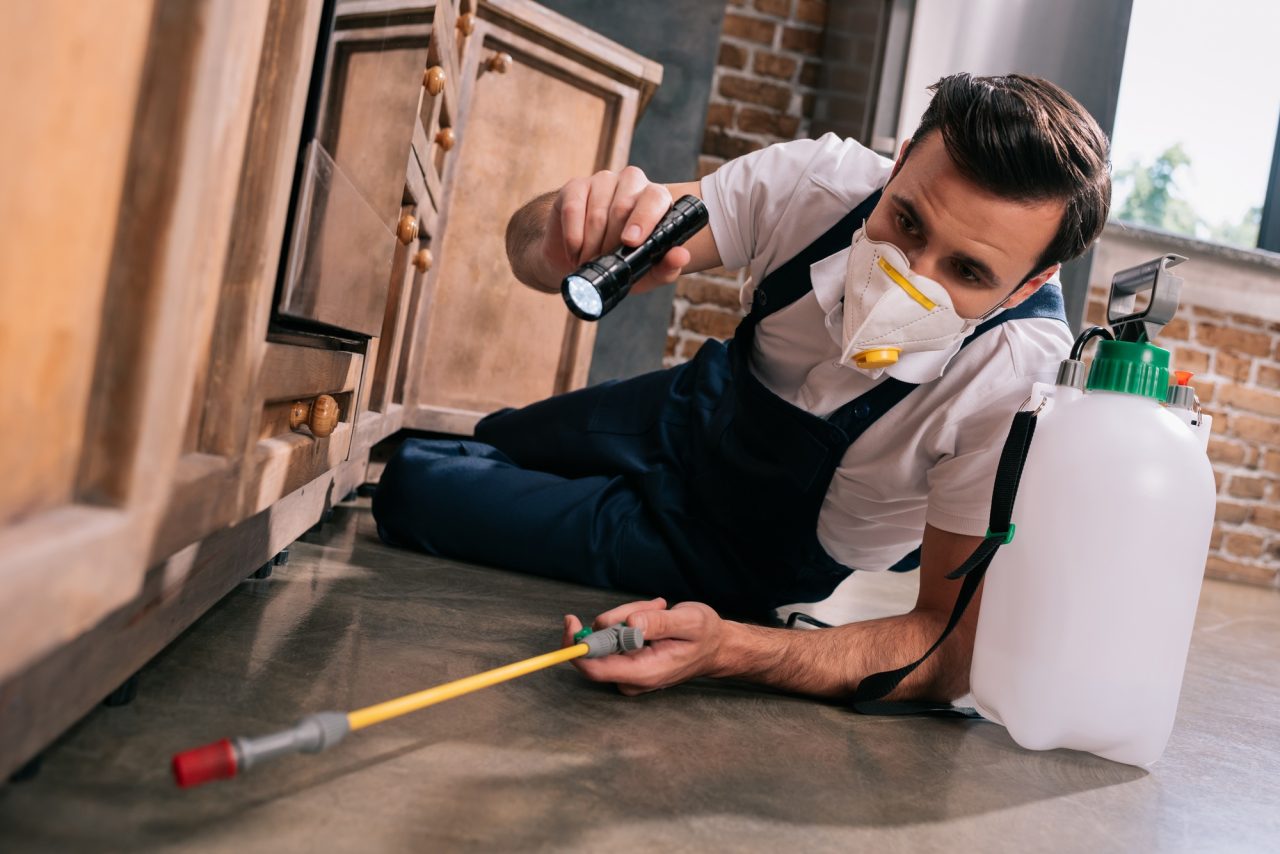
Comprehensive mold removal services for offices, buildings, and industrial spaces designed to maintain clean indoor air quality.

Accurate testing and analysis to identify mold spores and assess the air quality in your home or workplace.
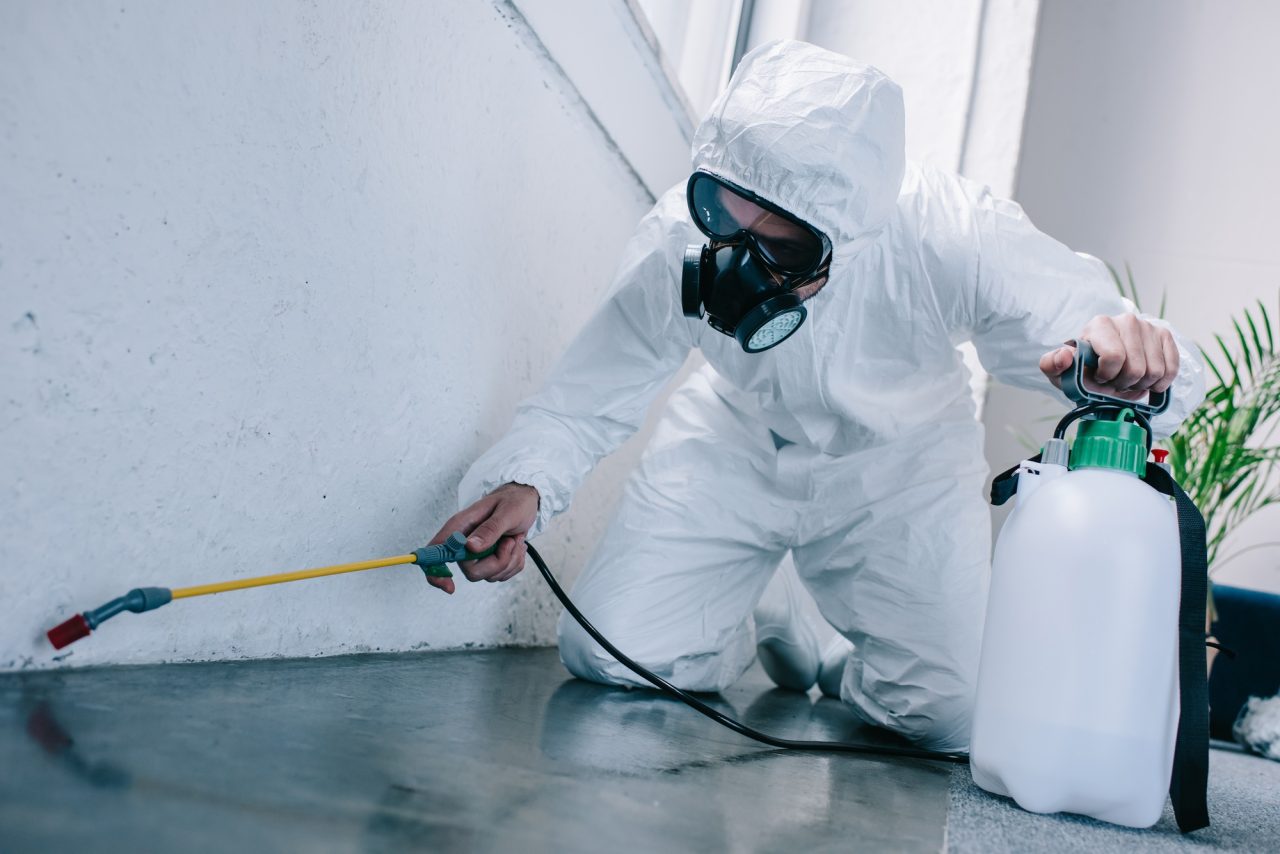
Advanced tools to identify sources of excess moisture and prevent future mold growth.
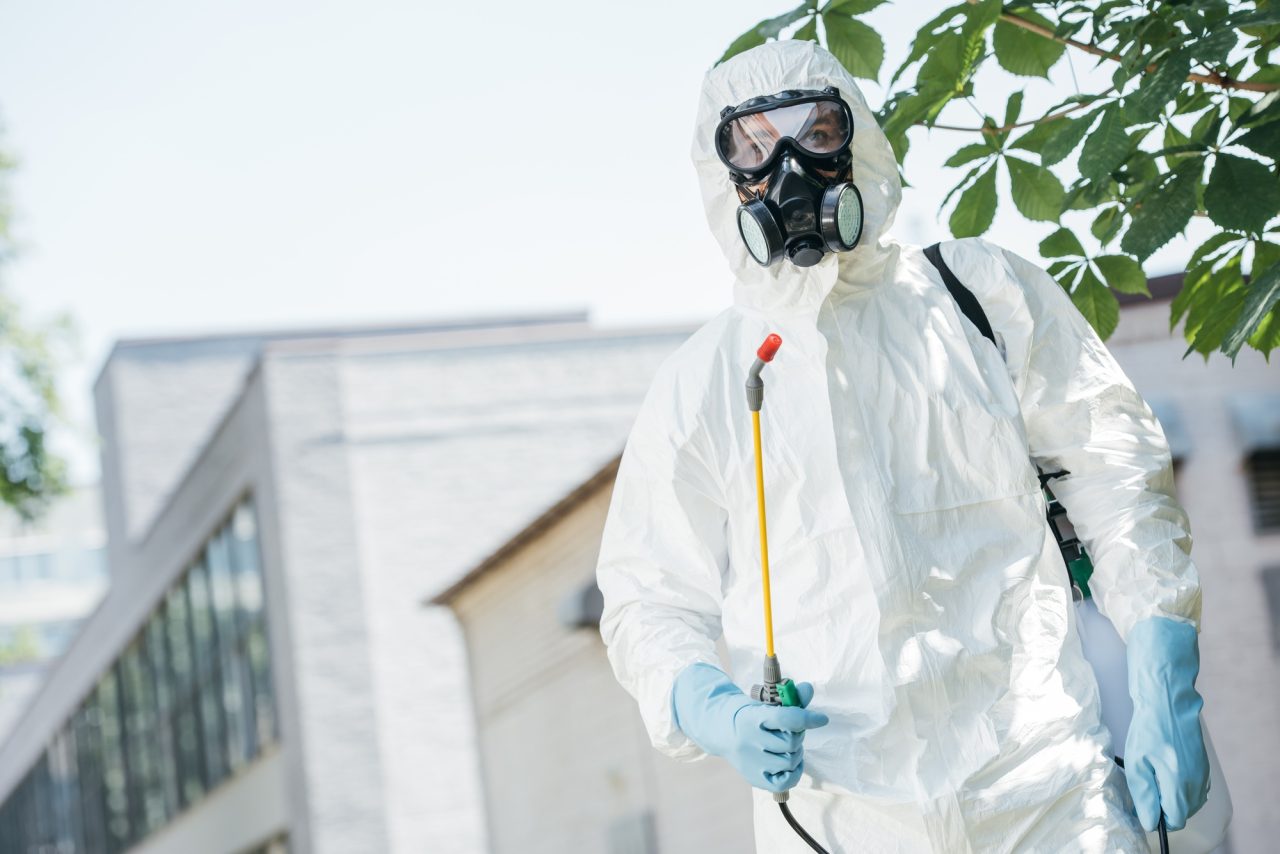
Fast-response remediation services available for urgent mold issues caused by flooding, leaks, or high humidity.
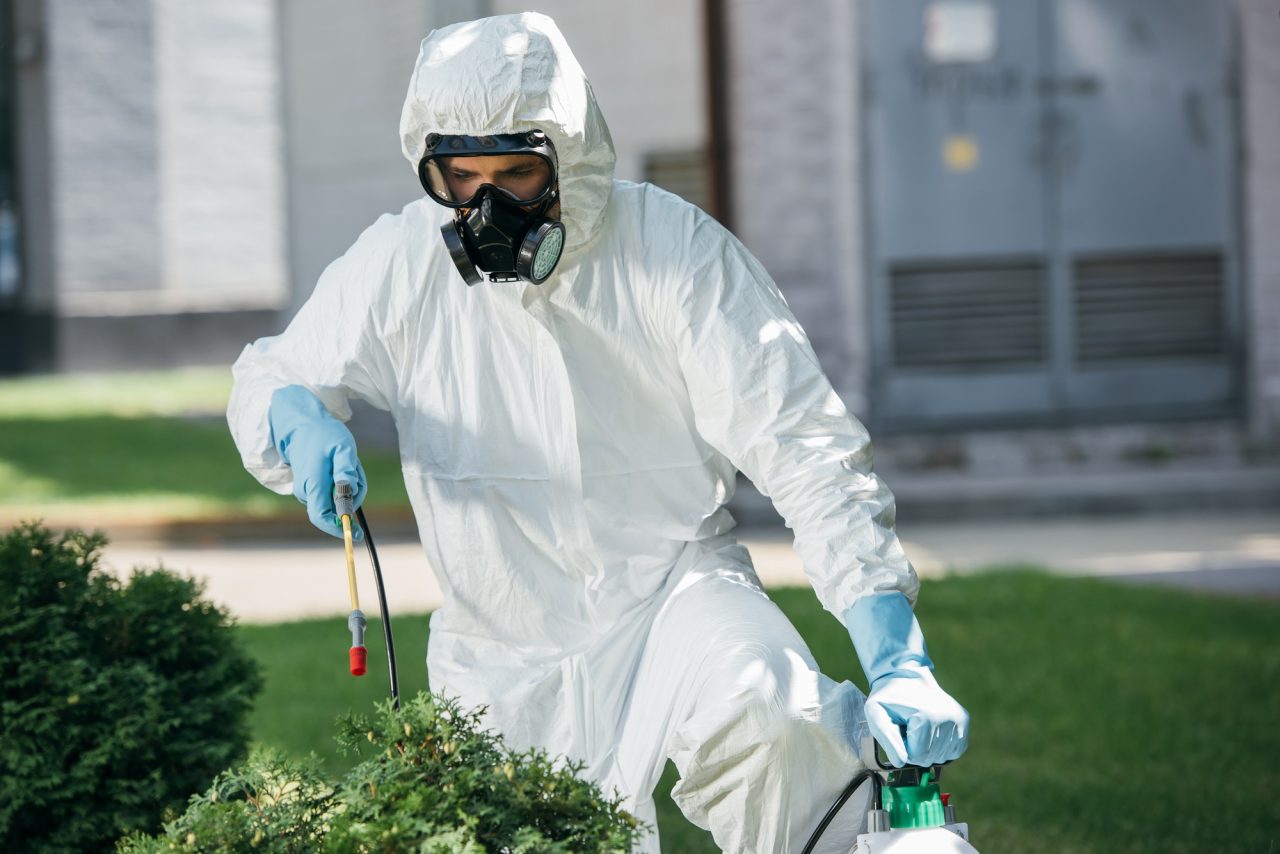
Safe, non-toxic products and sustainable cleaning methods that protect both your health and the environment.
Areas Served
Need More Help?
Our team is ready to provide expert mold removal assistance.
Get personalized guidance from our certified mold specialists to assess your situation and recommend the right service.
Need immediate mold inspection or removal? Submit a service request and our team will respond promptly.
For ongoing remediation projects or post-service maintenance, our support team is here to help.
Read our latest guides and articles on mold prevention, indoor air safety, and home maintenance.
Trusted by 25,000+ world-class brands and organizations of all sizes