
Welcome to EverClean Mold Removal
Mold Remediation Tallahassee
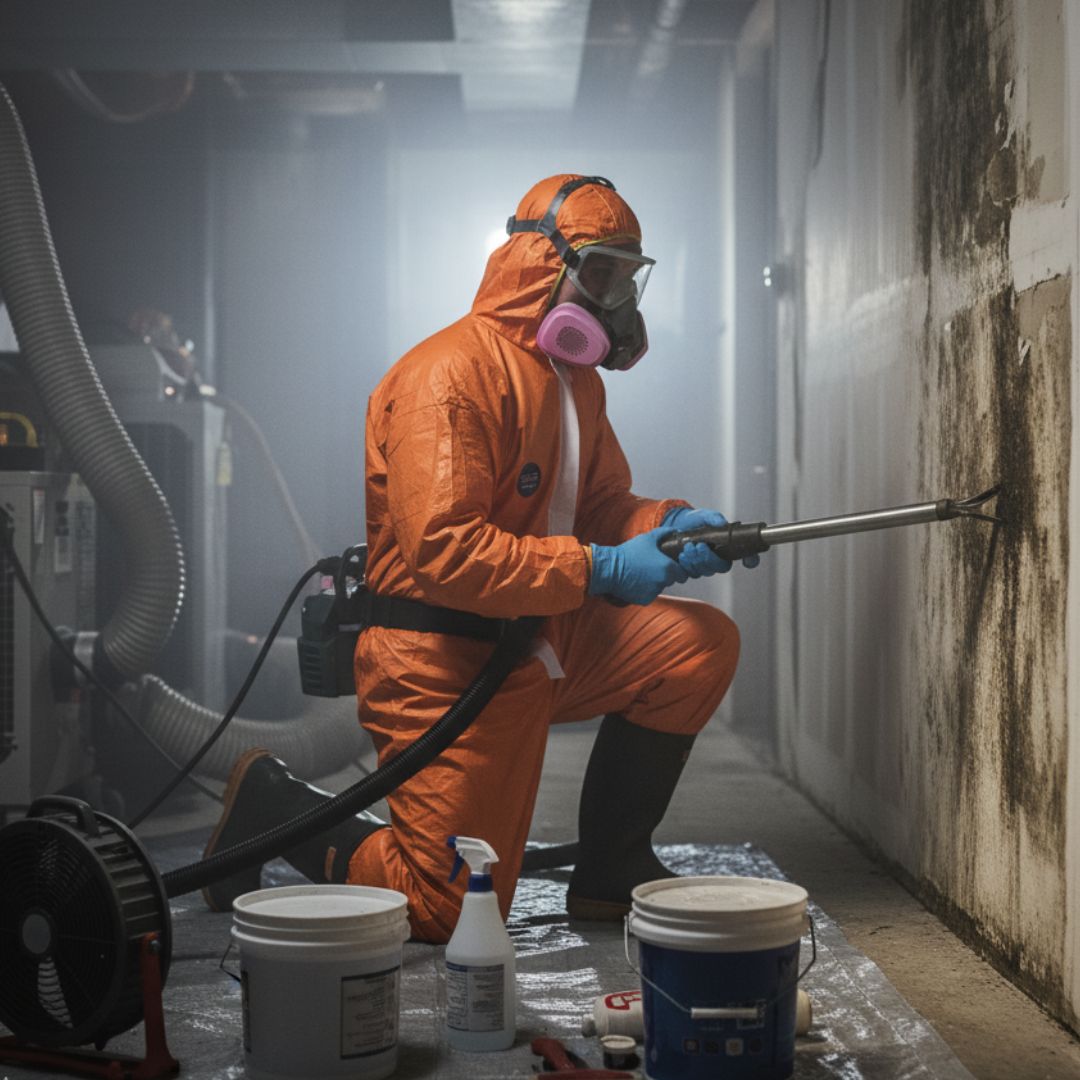
15+
Who we are
Get to Know the Experts Behind EverClean Mold Removal.
Dedicated to restoring healthy, mold-free spaces for over 15 years.
Top Reasons to Trust Experts for Mold Remediation Tallahassee Services
Mold remediation is a critical process that requires expertise, proper tools, and thorough knowledge. Attempting to handle it without professional assistance can lead to incomplete removal, long-term damage, and significant health risks. Below are five key reasons why hiring experienced professionals for mold remediation is essential.
Effective Mold Remediation Tallahassee FL: Identifying Mold Types Properly
- Cladosporium: Often found on wood or textiles and can trigger allergic reactions.
- Aspergillus: A highly common indoor mold that can produce harmful mycotoxins.
- Stachybotrys Chartarum (Black Mold): Known for its toxic properties and potential health hazards.
Correct identification is crucial as it influences the remediation strategy required to safely address the specific mold growth.
Effective Tallahassee Mold Remediation and Tackling Root Causes of Mold Growth
- Plumbing leaks
- Poor ventilation
- Roof damage or seepage
By tackling these root causes, experts ensure long-term solutions rather than temporary remediation.
Advanced Tools and Equipment for Mold Remediation Tallahassee FL
| Equipment | Purpose |
| HEPA Vacuums | Remove microscopic spores from surfaces |
| Air Scrubbers | Purify air by trapping airborne contaminants |
| Moisture Meters | Detect hidden moisture within walls or floors |
These advanced tools help professionals achieve thorough results while minimizing potential contamination in unaffected areas.
Effective Health Risk Mitigation During Mold Removal Tallahassee FL
Removing mold can release spores into the air, which may cause respiratory issues and allergic reactions if not handled properly. Experts follow strict safety protocols, including the use of personal protective equipment (PPE), containing affected areas with barriers, and utilizing negative air pressure systems to prevent cross-contamination.
For homeowners attempting DIY removal without protective measures, exposure could lead to serious health risks such as asthma attacks, skin irritation, or chronic sinus infections.
Ensuring Compliance with Regulations: Insights from a Mold Specialist Tallahassee
Professional mold remediators adhere to industry standards established by organizations like the Environmental Protection Agency (EPA) or Institute of Inspection Cleaning and Restoration Certification (IICRC). This ensures that the job is done safely while protecting your property’s value.
Failing to follow these guidelines during a DIY attempt could result in incomplete work or even legal issues if renting out a property where proper remediation isn’t performed.
By relying on experienced professionals for mold remediation, you not only protect your health but also ensure a safe living environment free from recurring problems caused by improper handling of mold infestations.
How Mold Remediation Professionals Tallahassee FL Address Different Types of Mold Effectively
1. Identifying the Type of Mold
The first step in proper mold remediation is accurately identifying the type of mold present. Mold species vary in appearance, growth patterns, and potential health risks. Here’s how professionals conduct this process: – Visual Inspection: Technicians visually assess areas prone to mold growth, such as basements, bathrooms, attics, or areas affected by water damage. – Air Sampling: Mold spores may not always be visible but could be present in the air. Air quality tests help detect airborne spores. – Surface Sampling: Physical samples from surfaces are analyzed under a microscope or sent to a laboratory for identification.
The most common types of indoor molds include: | Type of Mold | Typical Appearance | Possible Health Risks | |———————|—————————–|—————————————| | Aspergillus | Green, white, or brown | Allergies; respiratory irritation | | Stachybotrys (Black Mold) | Black or dark green | Toxic effects; severe respiratory issues | | Cladosporium | Black or olive-green spots | Skin irritation; eye discomfort |
2. Containment to Prevent Spread
Mold spores are microscopic and easily spread through the air during cleanup if not contained properly. Professionals use techniques such as: – Sealing off affected areas with plastic sheeting or barriers. – Utilizing negative air pressure machines to direct airflow away from unaffected areas. – Wearing personal protective equipment (PPE) like masks and gloves to limit exposure.
Effective containment ensures that disturbed spores don’t spread to other parts of the building.
3. Tailored Remediation Techniques for Each Type
Once identified and contained, different types of molds often require specific treatment approaches: – Surface Cleaning: For non-porous surfaces such as tiles or countertops, experts use EPA-approved cleaning agents that kill mold without releasing harmful chemicals. – Removal of Porous Materials: Items like drywall or carpet that have been infested with mold are often removed entirely since spores penetrate deeply into these materials. – HEPA Vacuuming: High-efficiency particulate air (HEPA) vacuums capture even small spores during cleanup.
Professionals also ensure safe disposal practices for all contaminated materials.
4. Addressing Underlying Moisture Issues
Mold grows rapidly when excess moisture is present—addressing these underlying issues is crucial for preventing recurrence: – Fixing leaks in plumbing systems or roofs. – Improving ventilation through dehumidifiers or exhaust fans. – Sealing cracks in foundations where water may seep inside.
This step ensures long-term success by addressing the root cause instead of just treating symptoms.
5. Post-Cleanup Testing & Monitoring
After remediation efforts are complete: – Air quality tests confirm whether spore levels have returned to safe thresholds. – Visual inspections confirm no remaining signs of visible mold growth.
Professionals may recommend routine monitoring if there’s a history of frequent water damage at the property.
Hiring qualified experts ensures thorough remediation while protecting your health and property value. Their systematic approach minimizes risks associated with improper handling while providing peace of mind that your space has been restored safely.
Effective Mold Removal Tallahassee: How Experts Tackle Various Types of Mold
Mold can appear in various forms, with each type requiring a specific approach for effective removal. Professional mold remediation experts possess the knowledge, skills, and tools needed to identify and handle the diverse types of mold that may infest homes or workplaces. Below is an outline of how professionals assess and treat different types of mold effectively.
Identifying Mold Types Through Inspection and Testing
- Aspergillus: Frequently found in damp areas such as basements or kitchens.
- Cladosporium: Often grows on carpets, fabrics, and wooden surfaces.
- Stachybotrys (Black Mold): Thrives in areas with prolonged moisture, such as water-damaged walls or ceilings.
- Penicillium: Identified by its blue or green hues, usually found on materials like wallpaper or insulation.
Experts may use air sampling, surface testing, or bulk material analysis to confirm the species of mold. Proper identification is critical because it dictates the methods and safety precautions required during remediation.
Containment Strategies to Prevent Spread
- Sealing off affected areas with plastic sheeting and negative air pressure systems.
- Utilizing high-efficiency particulate air (HEPA) filters to capture airborne spores.
Containment ensures that during removal processes such as scrubbing or demolition, spores do not travel through HVAC systems or foot traffic.
Tailored Removal Processes for Different Molds
| Mold Type | Common Treatment Methods |
| Aspergillus | HEPA vacuuming followed by antimicrobial cleaning agents |
| Cladosporium | Use of mild detergents combined with mechanical scrubbing |
| Stachybotrys | Removal of contaminated materials; applying biocides |
| Penicillium | Drying affected areas thoroughly before cleaning surfaces |
When severe contamination occurs (e.g., black mold), remediation teams may need to remove entire sections of drywall, flooring, or other porous materials that cannot be salvaged.
Advanced Tools Used During Remediation
- Moisture meters: Detect hidden moisture pockets where mold thrives.
- Thermal imaging cameras: Identify leaks inside walls without invasive procedures.
- Air scrubbers: Remove airborne particles during cleanup operations.
- Fogging machines: Disperse fungicides evenly across large spaces.
These tools ensure that both visible infestations and hidden colonies are adequately addressed.
Post-Remediation Verification
After cleanup is complete, verification steps are essential to guarantee success. Professionals conduct follow-up inspections using moisture meters and air quality tests to confirm that no traces of active mold remain.
By addressing every stage—identification, containment, tailored treatment, advanced tools usage, and post-remediation verification—mold remediation experts ensure environments are not only free from visible growth but also safe from future outbreaks. This comprehensive approach highlights why professional intervention is crucial when dealing with complex mold issues.
Comprehensive Guide to Mold Inspection Tallahassee: How Experts Address Different Types of Mold Effectively
Mold remediation is a highly specialized process requiring expertise, strategic planning, and advanced tools. Professional mold remediation experts are trained to identify and address various types of mold, each of which presents unique challenges. Below is an in-depth look at how professionals effectively handle different types of mold in residential and commercial buildings.
Identifying the Type of Mold
- Conducting a thorough visual inspection of affected areas.
- Collecting samples from surfaces or air for laboratory testing to determine the type of mold strain (e.g., black mold, aspergillus, penicillium).
- Assessment:
After identification, experts assess the extent of contamination and determine whether it poses health risks or structural damage. Some molds grow deep into materials like drywall, while others thrive on damp surfaces like tiles or wood.
Tailored Remediation for Each Mold Type
| Mold Type | Key Characteristics | Remediation Approach |
| Black Mold (Stachybotrys) | Produces toxic mycotoxins; thrives on materials like drywall | Requires containment zones; removal often involves replacing contaminated materials |
| Aspergillus | Found indoors and outdoors; airborne spores spread rapidly | HEPA vacuuming and air filtration systems to contain spread |
| Penicillium | Grows on damp surfaces like wallpaper or carpets | Deep cleaning with antimicrobial agents |
Professionals ensure that their approach minimizes further contamination while effectively eliminating active colonies.
Use of Containment Measures
- Sealing off affected areas with plastic sheeting or barriers.
- Employing negative air pressure systems to isolate spores from spreading to clean spaces.
- Setting up decontamination zones for workers moving between affected areas and clean zones.
Advanced Cleaning Techniques
- HEPA Filtration – High-Efficiency Particulate Air (HEPA) vacuums trap microscopic spores during cleanup.
- Dry Ice Blasting – Used for large-scale projects where traditional cleaning methods might damage delicate surfaces.
- Chemical Treatments – Application of EPA-approved antimicrobial solutions that kill mold at its source without harming surrounding materials.
Ensuring Long-Term Prevention
- Repairing leaks in roofs, pipes, or foundations.
- Installing dehumidifiers in high-moisture areas.
- Educating homeowners on maintaining proper humidity levels (ideally between 30%–50%).
By combining targeted removal methods with preventive strategies, professional remediation services not only eliminate existing infestations but also safeguard indoor environments from potential future outbreaks.
How Water Damage Restoration Tallahassee FL Prevents Mold and Promotes a Healthy Indoor Environment
Mold growth is more than just an aesthetic issue; it poses significant risks to the health of inhabitants and the structural integrity of your property. Ensuring effective mold removal is essential for maintaining a clean, healthy, and safe indoor environment. Below, we explore why mold removal is so important and how it impacts your living or working space.
The Dangers of Mold in Indoor Spaces
- Allergies: Sneezing, runny nose, itchy eyes.
- Respiratory Issues: Asthma flare-ups or other breathing difficulties.
- Long-term exposure: May lead to chronic illnesses for vulnerable individuals (such as children or the elderly).
- Weakening of walls, ceilings, and floors due to rot caused by prolonged mold exposure.
- Potentially expensive repairs if left untreated over time.
Benefits of Timely Mold Removal
- Improved Air Quality
Mold spores in the air can reduce indoor air quality significantly. By eliminating mold at its source, you ensure cleaner air for everyone in the space. - Prevention of Further Spread
Mold can spread rapidly if not addressed correctly. Professional removal ensures that all traces are eliminated and prevents further contamination across unaffected areas. - Protecting Your Home’s Value
Persistent mold issues can lower your property’s value and deter potential buyers if you’re planning to sell your home.
Steps Toward Achieving a Healthy Indoor Space
| Step | Action |
| Inspect | Conduct a thorough inspection to locate visible signs of mold and hidden sources (e.g., under carpets). |
| Identify | Determine the type of mold present (black mold is particularly hazardous). |
| Address Moisture | Repair leaks or eliminate excess humidity through proper ventilation or dehumidifiers. |
| Professional Removal | Consult experienced remediation experts who use advanced tools and techniques to eliminate both existing colonies and residual spores. |
Preventative Measures After Mold Removal
- Control indoor humidity levels (ideally between 30%–50%).
- Ensure proper ventilation in high-moisture areas like kitchens and bathrooms.
- Regularly inspect plumbing systems for leaks.
- Clean gutters to prevent water buildup near your home’s foundation.
By addressing existing problems while implementing preventive measures moving forward, you create an environment less conducive to harmful mold growth—ultimately safeguarding both health and property value effectively over time.
Our value
Your Trusted Partner for Professional Mold Removal & Remediation Solutions
We are committed to helping homeowners and businesses create safe, healthy, and mold-free environments. Our certified experts provide thorough inspections, advanced remediation, and long-term prevention to ensure lasting protection for your property.
To be the leading mold remediation company known for restoring safe indoor environments and improving the health and well-being of every client we serve.
To provide reliable, eco-friendly, and efficient mold removal services using advanced technology and industry best practices — ensuring your home remains clean, dry, and free from harmful mold.
What we offer
Customized Pest Control Plans for Homes and Businesses.
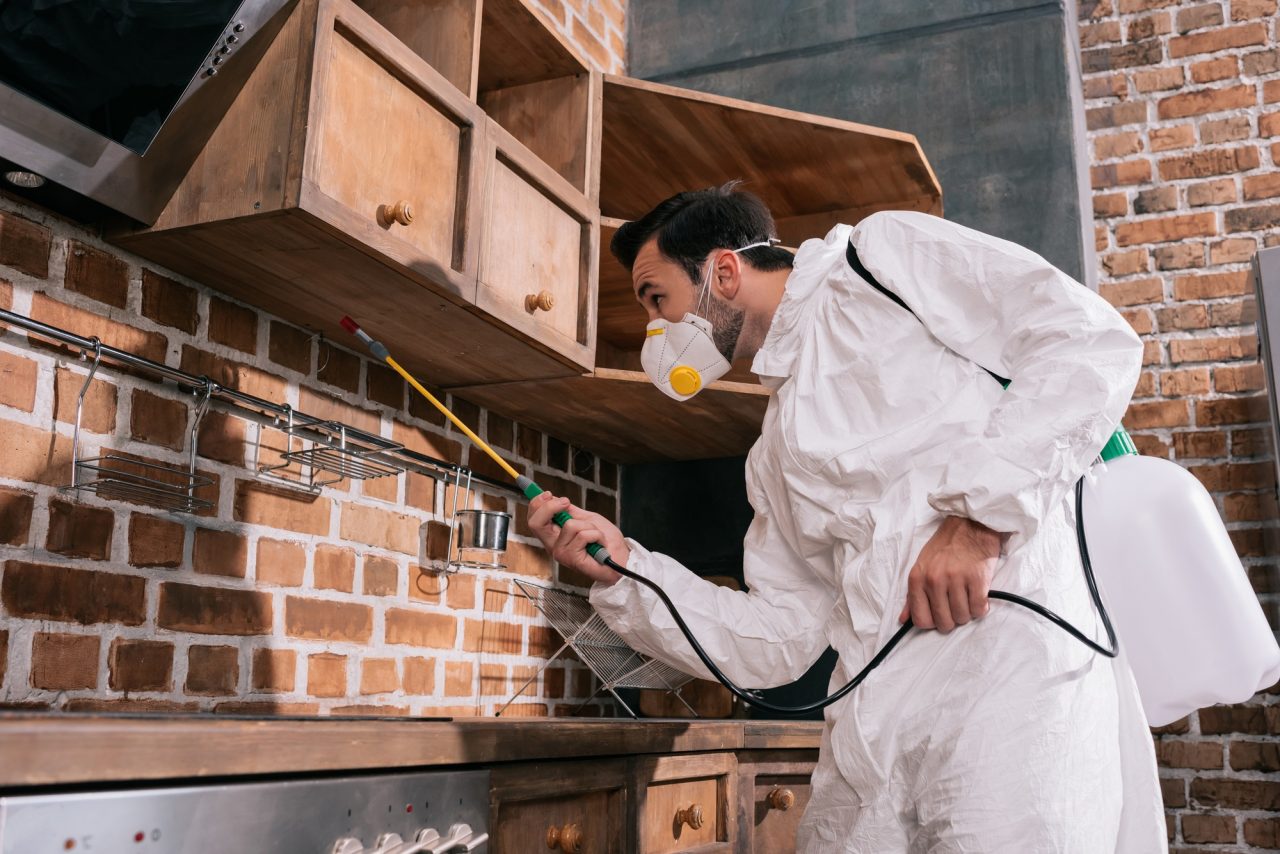
Professional inspection to detect visible and hidden mold growth, ensuring a safe and healthy living environment for your family.
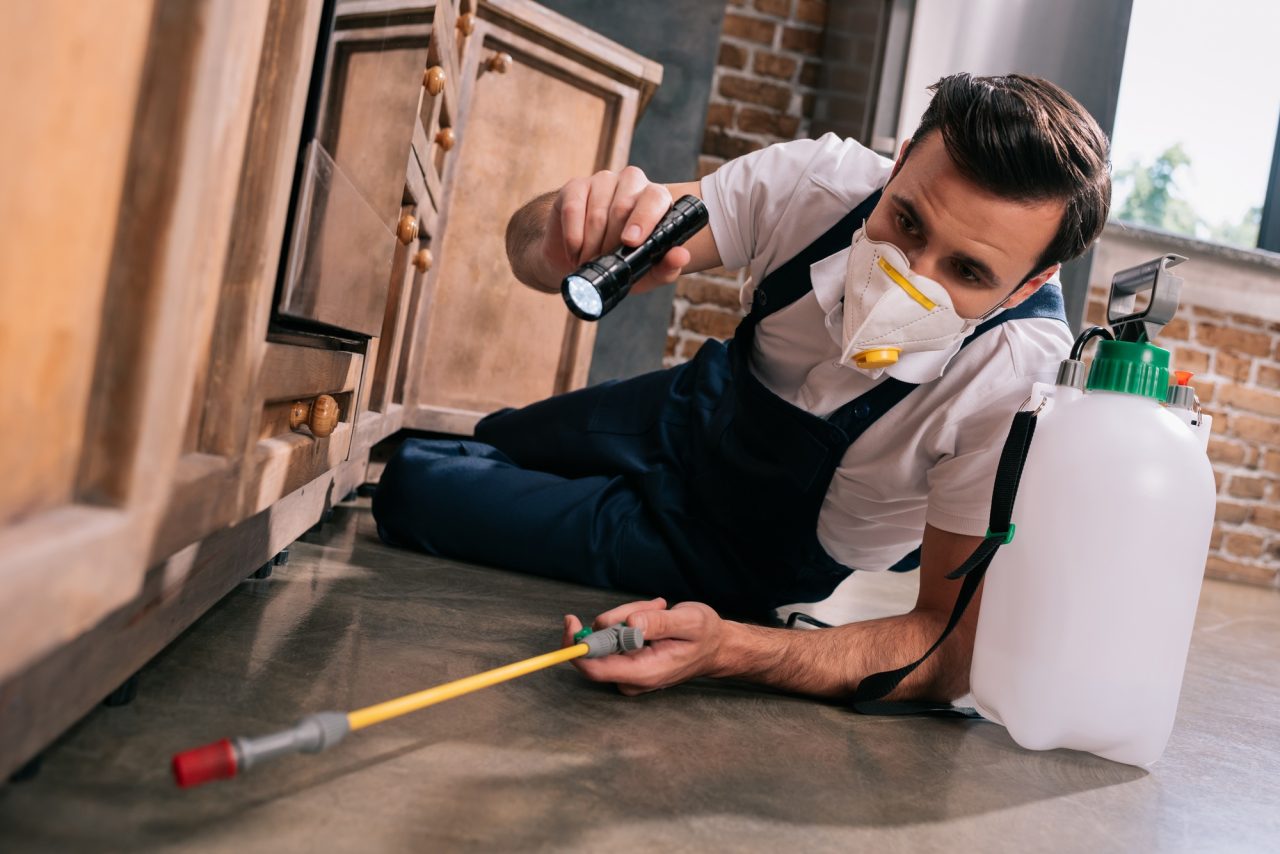
Comprehensive mold removal services for offices, buildings, and industrial spaces designed to maintain clean indoor air quality.
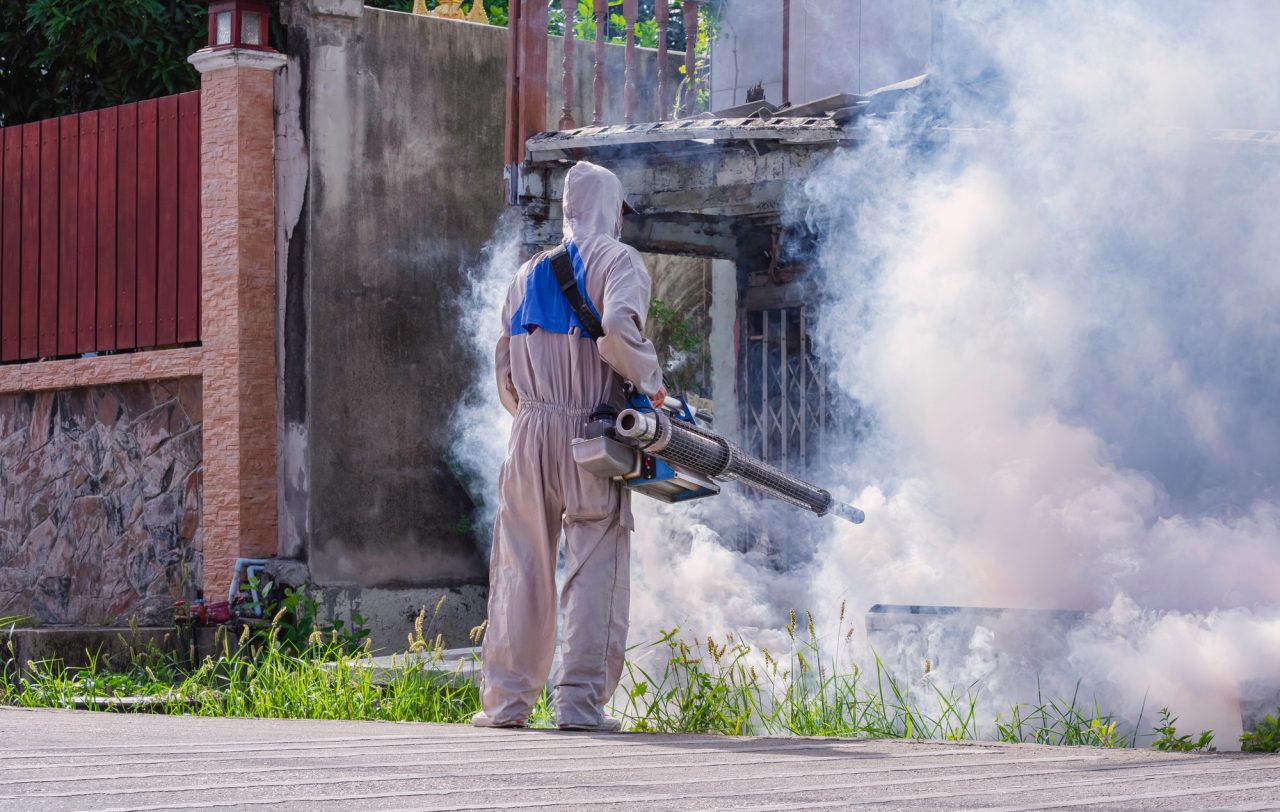
Accurate testing and analysis to identify mold spores and assess the air quality in your home or workplace.
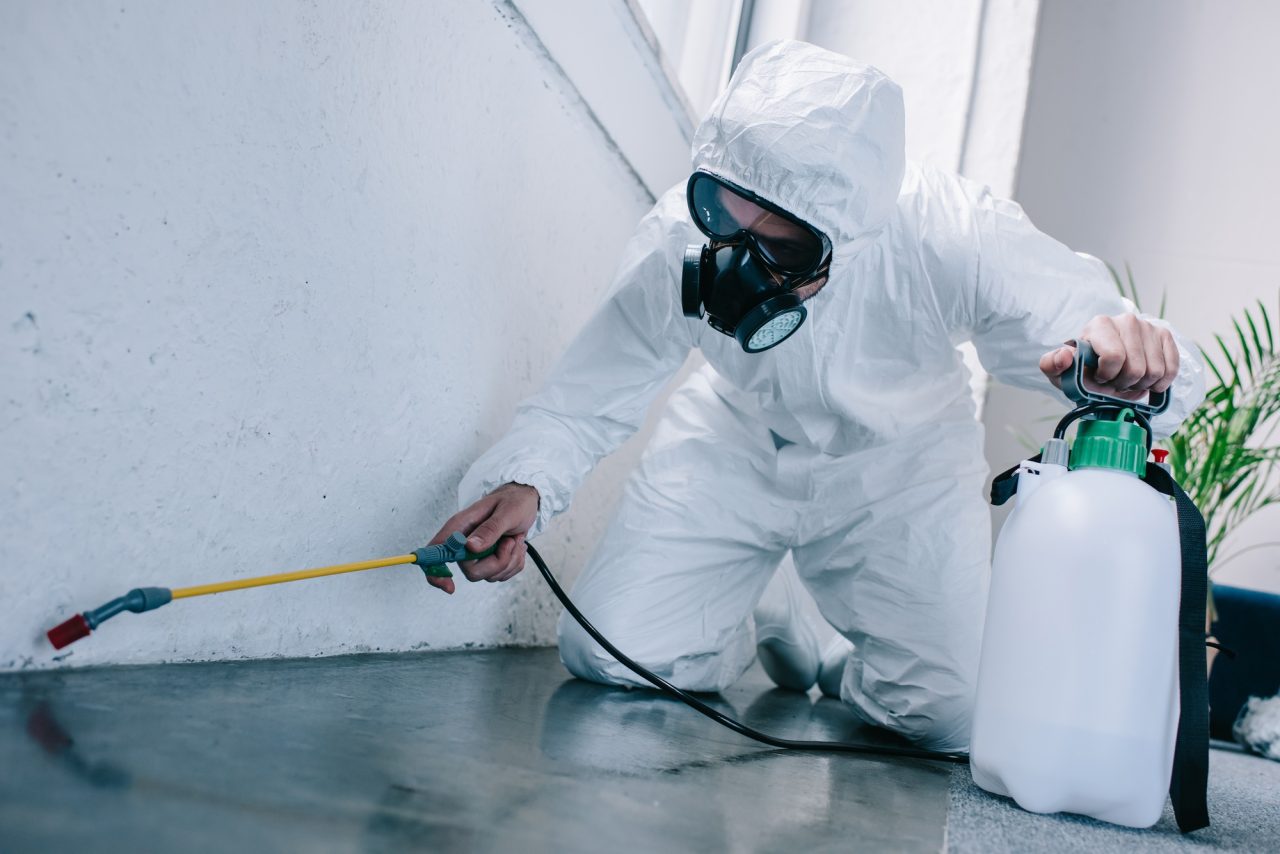
Advanced tools to identify sources of excess moisture and prevent future mold growth.
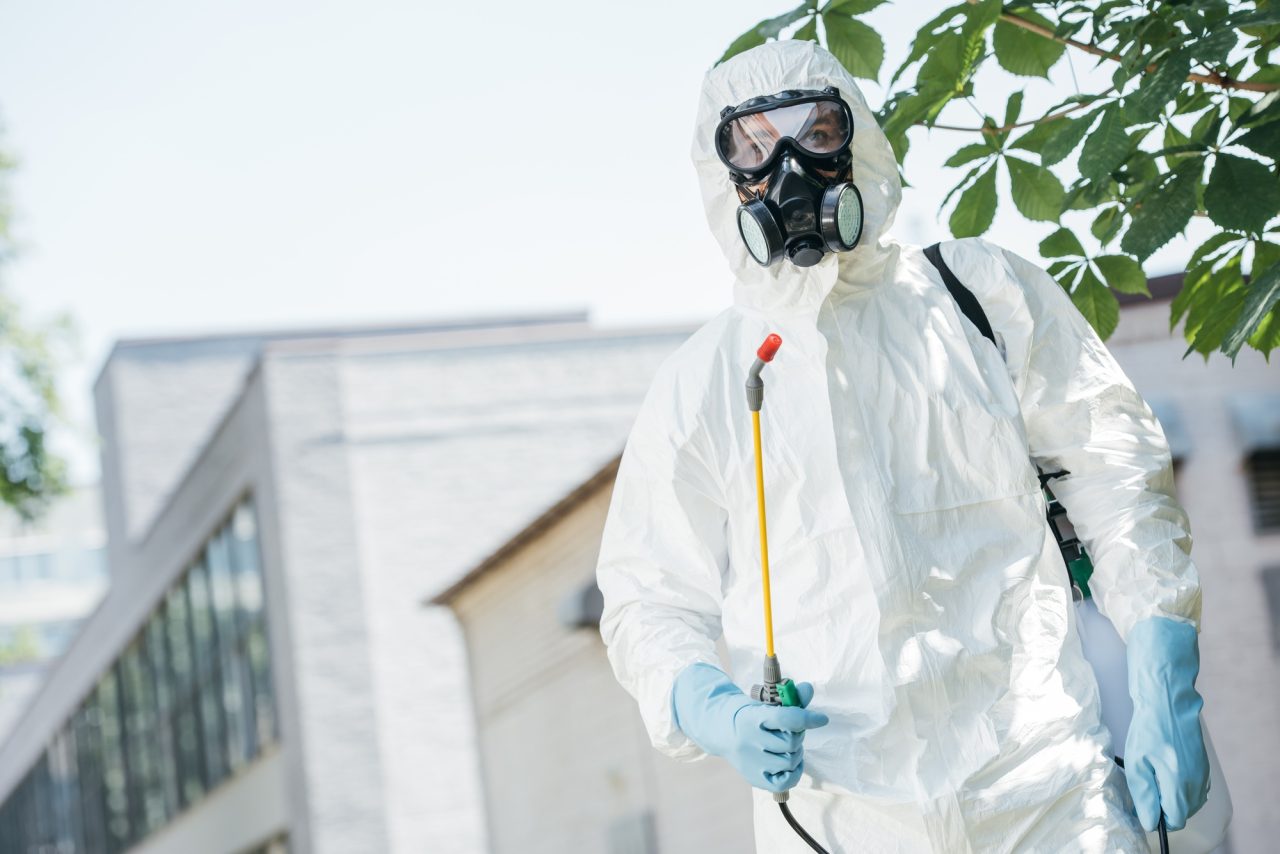
Fast-response remediation services available for urgent mold issues caused by flooding, leaks, or high humidity.
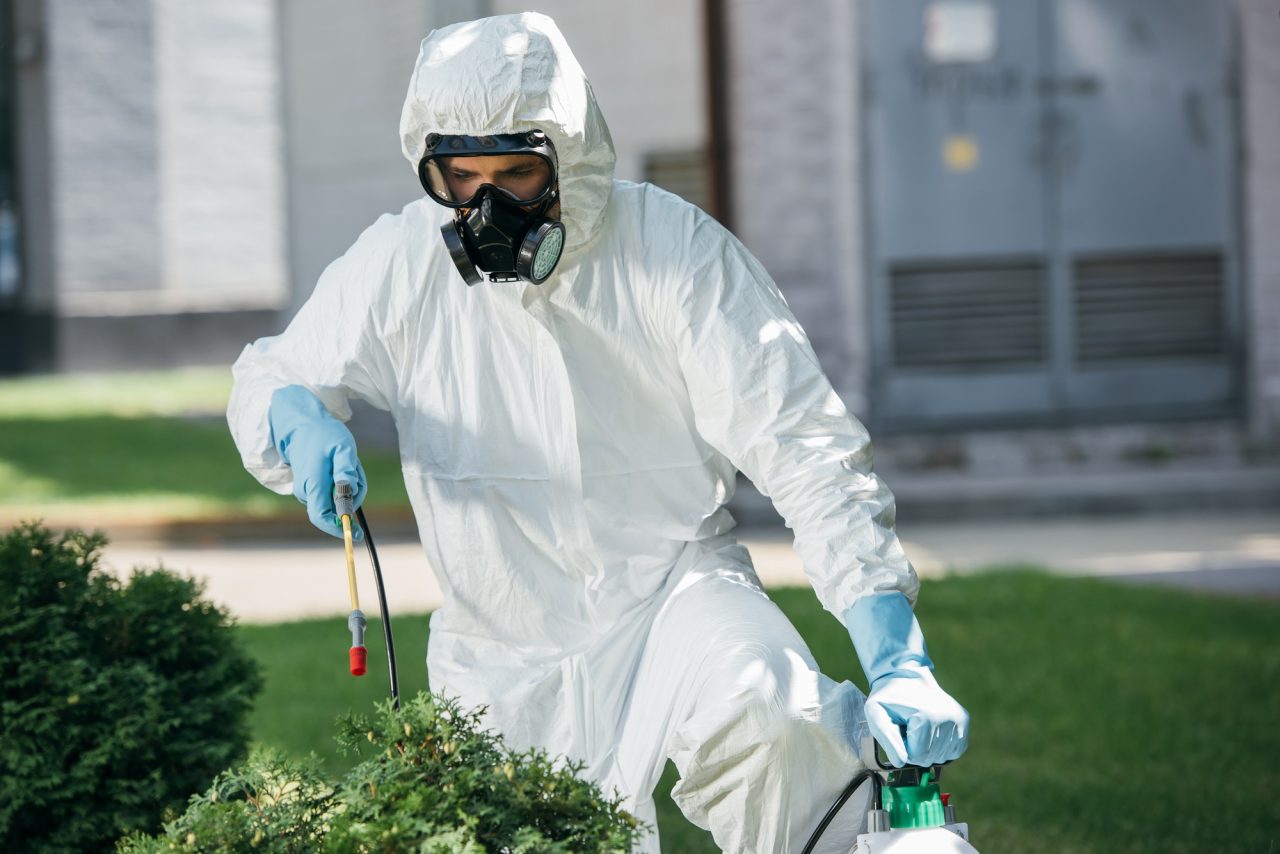
Safe, non-toxic products and sustainable cleaning methods that protect both your health and the environment.
Areas Served
Need More Help?
Our team is ready to provide expert mold removal assistance.
Get personalized guidance from our certified mold specialists to assess your situation and recommend the right service.
Need immediate mold inspection or removal? Submit a service request and our team will respond promptly.
For ongoing remediation projects or post-service maintenance, our support team is here to help.
Read our latest guides and articles on mold prevention, indoor air safety, and home maintenance.
Trusted by 25,000+ world-class brands and organizations of all sizes