
Welcome to EverClean Mold Removal
Mold Remediation Sunrise
15+
Who we are
Get to Know the Experts Behind EverClean Mold Removal.
Dedicated to restoring healthy, mold-free spaces for over 15 years.
Mold Remediation Professionals Sunrise FL: Essential Steps for Safe and Effective Mold Removal
Mold remediation, when done correctly, ensures that your indoor environment is safe and free from potential health risks. Following a structured protocol is critical not only for effective mold removal but also to prevent its recurrence. Below is a step-by-step guide to proper mold remediation.
Effective Steps for Mold Removal Sunrise FL: Assessing the Contamination
Before initiating any remediation efforts, it’s vital to determine the size and scope of the mold issue. This assessment will help in deciding whether professional assistance is needed or if it’s manageable independently.
- Visual Inspection: Check for visible signs of mold on walls, ceilings, carpets, and HVAC systems.
- Air Quality Testing: Use air sampling to measure the concentration of mold spores.
- Moisture Assessment: Identify sources of water intrusion such as leaks or flooding.
Step 2: Consult a Mold Specialist Sunrise to Address the Underlying Moisture Issue
Mold thrives in damp environments; thus, eliminating sources of moisture is crucial. Without this step, even successful removal may result in mold regrowth.
- Locate and repair leaky pipes, roofs, or windows.
- Improve ventilation in areas like bathrooms and kitchens by installing exhaust fans.
- Use dehumidifiers to maintain indoor humidity levels below 50%.
| Source of Moisture | Suggested Solution |
| Leaky plumbing | Repair or replace damaged pipes |
| Poor ventilation | Install exhaust fans or increase air circulation |
| Basement flooding | Use sump pumps and waterproofing techniques |
Step 3: Contain the Affected Area
Preventing the spread of mold spores during remediation is essential.
- Seal off the affected area with plastic sheeting.
- Turn off HVAC systems to avoid circulating spores throughout your home.
- Use negative air pressure machines to isolate contaminated areas.
Step 4: Remove Mold Safely
Depending on the severity of contamination, you may either handle removal personally for small-scale issues or hire certified professionals for larger problems.
For Small Areas:
- Wear protective gear such as gloves, goggles, and an N95 respirator mask.
- Scrub hard surfaces with soap and water followed by a commercial disinfectant.
- Dispose of porous materials like carpeting or insulation if heavily infested.
For Large Areas:
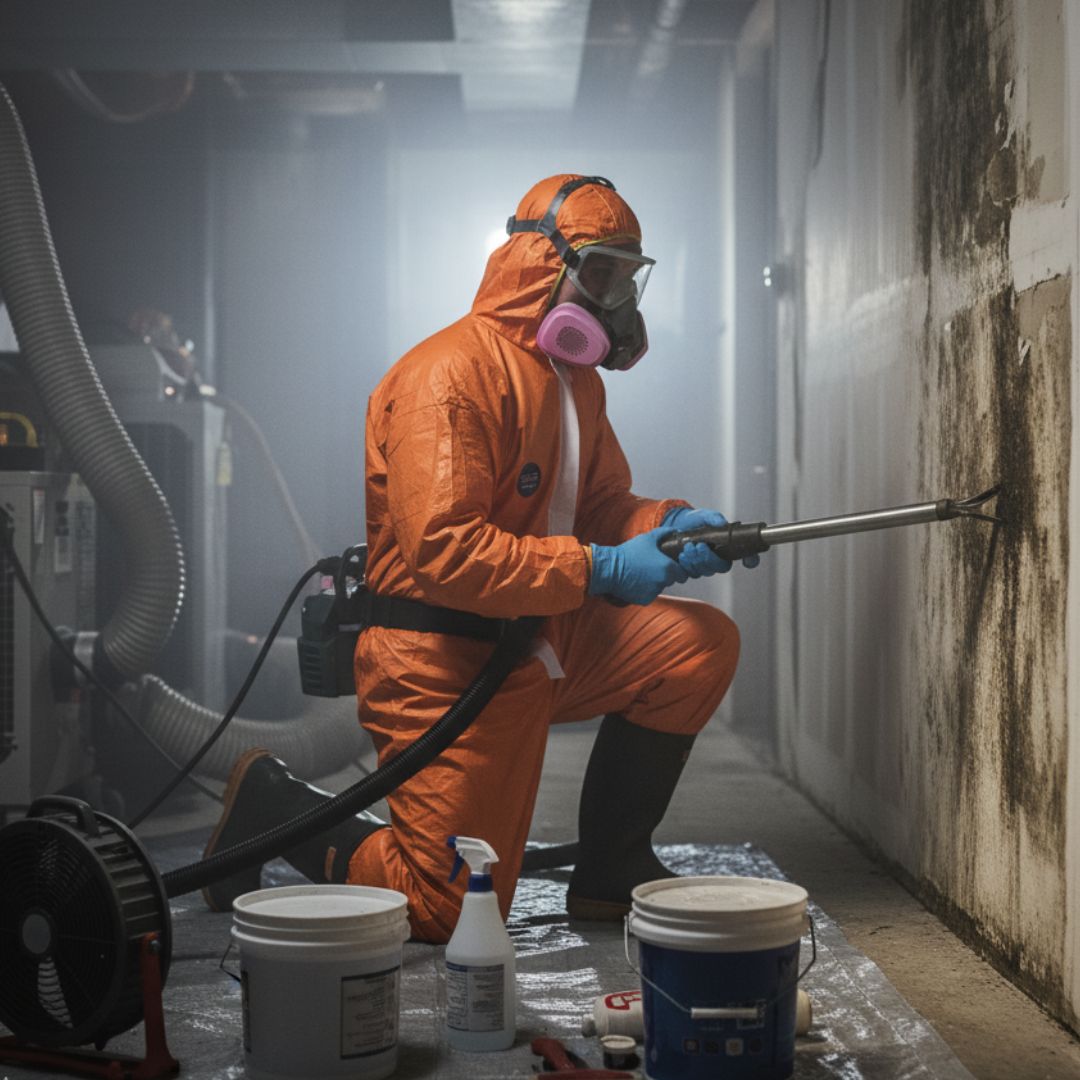
Professional services are recommended due to specialized equipment like HEPA vacuums and antimicrobial treatments they apply. Ensure they follow guidelines prescribed by authorities such as the EPA (Environmental Protection Agency).
Step 5: Clean Thoroughly
- Vacuum using HEPA filters to capture residual spores.
- Wash surfaces with detergent solutions designed specifically for mold cleanup.
Step 6: Prevent Future Mold Growth
- Regularly inspect vulnerable areas like basements and attics for dampness.
- Keep gutters clean to prevent water damage around your home’s foundation.
- Invest in a hygrometer to monitor indoor humidity levels consistently.
By adhering strictly to these steps during mold remediation processes, you can restore your property safely while creating healthier indoor living conditions over time.
Effective Mold Remediation Sunrise: How to Identify Warning Signs and Take Action
Mold can cause serious damage to your property and pose significant health risks if left untreated. Knowing how to identify the early signs of mold growth can save you time, money, and potential health complications. Here’s how to spot mold warning signs and the appropriate steps you should take when you encounter them.
Effective Tips for Mold Removal Sunrise Residents Need to Know
- A persistent, earthy, or damp smell could be a clear signal of hidden mold growth, especially in areas with poor ventilation.
- Look for unusual stains, discolorations, or patches on walls, ceilings, floors, or around windows. These may appear green, black, white, or even orange depending on the type of mold.
- Mold thrives in damp conditions which may cause surfaces like drywall or wood to warp or bubble over time.
- Sudden respiratory issues such as coughing or sneezing that worsen indoors could indicate exposure to airborne mold spores. Other symptoms include skin irritation and watery eyes.
- If your home has experienced leaks, flooding, or excessive condensation in certain areas (e.g., basements), these are prime locations where mold may develop.
- Mold often grows behind wallpaper, inside HVAC systems, under carpets, or within crawl spaces where moisture accumulates unnoticed.
Effective Steps for a Thorough Mold Inspection Sunrise Residents Can Trust
1. Assess the Severity
- For minor surface-level growth (10 square feet or less), DIY cleaning methods using household solutions like vinegar or baking soda may suffice.
- Extensive infestations affecting structural materials require professional remediation services.
2. Identify Sources of Moisture
- Address water-related issues immediately: check for plumbing leaks, roof damage causing water intrusion, inadequate ventilation in high-moisture rooms (bathrooms/kitchens), and poorly sealed windows.
- Use a dehumidifier to reduce indoor humidity levels (ideally below 50%).
3. Avoid Disturbing Mold Spores
If you suspect significant mold growth: – Do not attempt removal without appropriate personal protective equipment (PPE) such as gloves and an N95 mask. – Disturbing visible colonies can release spores into the air and worsen contamination.
4. Contact Certified Professionals
- Consult certified mold remediation specialists who follow established guidelines (e.g., EPA recommendations) for safe removal.
- Ensure they conduct air quality tests before and after remediation for thorough verification.
Effective Water Damage Restoration Sunrise FL to Prevent Future Mold Problems
| Preventive Measure | Description |
| Regular Inspections | Inspect vulnerable areas like basements and attics periodically for dampness |
| Improve Ventilation | Open windows/use exhaust fans in bathrooms/kitchens |
| Maintain HVAC Systems | Clean/replace filters regularly; consider installing HEPA filters |
| Fix Water Issues Promptly | Repair leaky plumbing/roof issues as soon as possible |
| Store Items Properly | Keep belongings dry; avoid storing paper/cardboard directly on basement floors |
By recognizing these early signs of mold development and taking swift action with proper measures — from mitigation efforts to professional help — you can safeguard your home’s structural integrity as well as ensure the overall health of its occupants over time.
Essential Tips for Effective Mold Remediation Sunrise FL Homeowners Should Know
Mold can pose significant risks to both your health and your home, making it essential to recognize early warning signs. Identifying mold growth in its initial stages can save you from costly repairs and potential health issues. Here’s a detailed guide on spotting mold warning signs and actionable steps to address them effectively.
Common Signs of Mold Presence
- Musty Odor: A persistent earthy or musty smell in your home, especially in areas with poor ventilation.
- Visible Growth: Patches of discoloration on walls, ceilings, or surfaces. These can range in color from black and green to white or even orange, depending on the type of mold.
- Water Stains or Damage: Brown, yellowish spots on ceilings or walls may indicate water leakage—a common precursor to mold growth.
- Peeling Paint or Wallpaper: Bubbling or cracking paint/wallpaper often signals excess moisture behind the wall where mold may grow unnoticed.
- Increased Allergy-Like Symptoms: Respiratory issues such as coughing, sneezing, watery eyes, or skin irritation that worsen indoors may suggest hidden mold.
High-Risk Areas for Mold
| Area | Potential Cause of Mold Growth |
| Bathrooms | High humidity from showers or baths; inadequate ventilation; leaky plumbing |
| Kitchens | Moisture buildup near sinks and under cabinets; condensation from appliances like refrigerators |
| Basements | Poor drainage; leaky foundations; high humidity levels |
| Attics | Roof leaks; inadequate ventilation trapping moisture |
| Laundry Rooms | Humidity from dryers; water spills |
What You Must Do When You Spot Mold
Once you’ve identified potential signs of mold growth, following a structured approach is critical for effective management.
- Assess the Scope of Contamination
Determine whether the affected area is small (less than 10 square feet) or extensive. Small-scale issues can sometimes be managed independently with proper cleaning techniques. Larger infestations typically require professional intervention. - Identify the source of moisture fueling the mold—leaking pipes, roof damage, condensation—and fix it promptly.
- Use dehumidifiers and ensure adequate airflow throughout your home.
- Protect Yourself Before Handling Mold If attempting cleanup yourself:
- Wear protective gear such as gloves, goggles, and an N95 mask.
- Ventilate the area by opening windows where possible.
- Non-porous materials (e.g., glass or metal): Scrub with water and detergent.
- Porous materials (e.g., drywall): Consider replacing them if they are extensively contaminated since cleaning might not fully eliminate spores.
- Consult Professionals for Extensive Growth If molds cover a large area—or if toxic varieties such as black mold are suspected—bring in certified remediation experts who have specialized equipment and expertise.
Preventing Future Mold Issues
- Control indoor humidity levels (ideally between 30%–50%).
- Fix all leaks immediately—whether plumbing-related or structural (e.g., roofs).
- Use exhaust fans in bathrooms and kitchens during use.
- Regularly inspect areas prone to dampness for early signs of trouble.
By being proactive about identifying warning signs and taking immediate action when necessary, you can effectively protect your family’s health while avoiding costly long-term damages caused by unchecked mold growth.
Sunrise mold remediation: Understanding the Difference Between Mold and Mildew and How to Handle Each
Mold and mildew are both types of fungi that thrive in moist environments, but their differences are significant when it comes to identification, risks, and treatment methods. Understanding these differences is critical for implementing appropriate remediation strategies.
Physical Appearance
| Feature | Mold | Mildew |
| Color | Black, green, blue, or even red | White, gray, or yellow |
| Texture | Fuzzy or slimy | Powdery or flat |
| Growth Pattern | Penetrates surfaces; spreads irregularly | Grows on flat surfaces in a uniform pattern |
Growth Environments
- Mold often grows on organic materials such as wood, drywall, carpet padding, or ceiling tiles.
- Mildew tends to grow on non-porous surfaces like bathroom tiles or windowsills.
Health Risks
- Mold exposure can lead to respiratory issues such as coughing, wheezing, asthma attacks, allergic reactions (itchy eyes or rashes), and in some cases infections.
- Mildew is less likely to pose serious health threats but may still irritate the skin or respiratory system if left untreated.
Prevention Strategies
- Ventilation: Ensure proper air circulation in high-humidity areas such as bathrooms and basements.
- Dehumidification: Use dehumidifiers to maintain indoor humidity below 50%.
- Leak Repairs: Fix leaks in pipes, roofs, or walls promptly.
- Surface Cleaning: Regularly clean susceptible areas with mold-resistant products.
Removal Methods
Removing Mold:
- For small areas (less than 10 square feet), scrub the surface with water mixed with detergent.
- Use a biocide specifically designed for killing mold spores.
- For larger infestations or porous materials (e.g., drywall), professional remediation is recommended as DIY methods could spread spores further.
Removing Mildew:
- Clean affected surfaces using a mixture of water and white vinegar.
- For tougher stains on non-porous surfaces like tiles or glass, use a diluted bleach solution (1 part bleach to 10 parts water).
Choosing the Right Action Plan
While mildew is relatively easy to manage with routine cleaning techniques, mold often requires more extensive intervention due to its ability to embed itself into materials. Knowing these differences ensures you can take appropriate steps toward maintaining a safe living environment free from fungal contamination.
Tips for Avoiding Scams and Ensuring Proper Mold Remediation Sunrise FL
Mold removal is a critical process that requires expertise, precision, and proper techniques. Unfortunately, the mold remediation industry is not immune to scams and unqualified professionals offering subpar services. Knowing how to identify these pitfalls can save you time, money, and potential health risks. Below are essential tips for avoiding unqualified professionals and ensuring your mold removal process is handled effectively.
Red Flags When Hiring Mold Remediation Professionals
- Lack of Certification: Reputable mold remediation specialists should hold certifications such as the IICRC (Institute of Inspection Cleaning and Restoration Certification) or similar industry-recognized credentials.
- No Inspection Before Quoting: A trustworthy professional will always conduct an inspection before providing a cost estimate. Quotes given over the phone without assessing the problem are often inaccurate.
- Overpromising Results: Promises like “100% mold removal” are unrealistic since mold spores exist in almost every environment. A legitimate expert will aim for proper containment and remediation rather than permanent eradication.
- Use of Scare Tactics: Some contractors exaggerate the severity of a mold problem to pressure homeowners into unnecessary services.
- No Warranty Offered: Reliable companies provide warranties or guarantees for their work to ensure customer satisfaction.
Questions to Ask When Vetting Mold Remediation Companies
- What certifications do you hold related to mold remediation?
- Do you follow industry standards (e.g., IICRC S520 guidelines)?
- Can you provide references or reviews from previous clients?
- Will you conduct air quality tests before and after remediation?
- Is your team insured for liabilities during the project?
These questions can help confirm whether the contractor operates within proper legal and safety standards.
Common Mold Removal Scams
| Scam Type | Description |
| Fake Mold Testing Labs | Offering “test results” from non-accredited labs with inflated findings. |
| Unnecessary Air Duct Cleaning | Claiming air ducts must be cleaned even when there’s no direct evidence of contamination. |
| Low-Ball Estimates | Providing unrealistically cheap quotes upfront but adding hidden fees later. |
| DIY Solutions as Professional Services | Selling over-the-counter products as part of their “professional” solution without addressing root causes. |
Steps to Ensure You Hire Qualified Professionals
- Verify Credentials: Request proof of certifications, licenses, and insurance policies before signing any agreements.
- Check Reviews: Look up online reviews on verified platforms like Google Reviews or Better Business Bureau (BBB).
- Get Multiple Estimates: Comparing quotes from at least three different companies can give insight into fair pricing.
- Insist on Written Contracts: Ensure all details about costs, timelines, procedures, and warranties are clearly documented.
- Look for Transparency: A professional should communicate openly about methods used and potential risks involved.
Proper vetting processes can go a long way toward protecting your home from further damage caused by improper handling during mold removal efforts while keeping financial losses at bay.
Our value
Your Trusted Partner for Professional Mold Removal & Remediation Solutions
We are committed to helping homeowners and businesses create safe, healthy, and mold-free environments. Our certified experts provide thorough inspections, advanced remediation, and long-term prevention to ensure lasting protection for your property.
To be the leading mold remediation company known for restoring safe indoor environments and improving the health and well-being of every client we serve.
To provide reliable, eco-friendly, and efficient mold removal services using advanced technology and industry best practices — ensuring your home remains clean, dry, and free from harmful mold.
What we offer
Customized Pest Control Plans for Homes and Businesses.
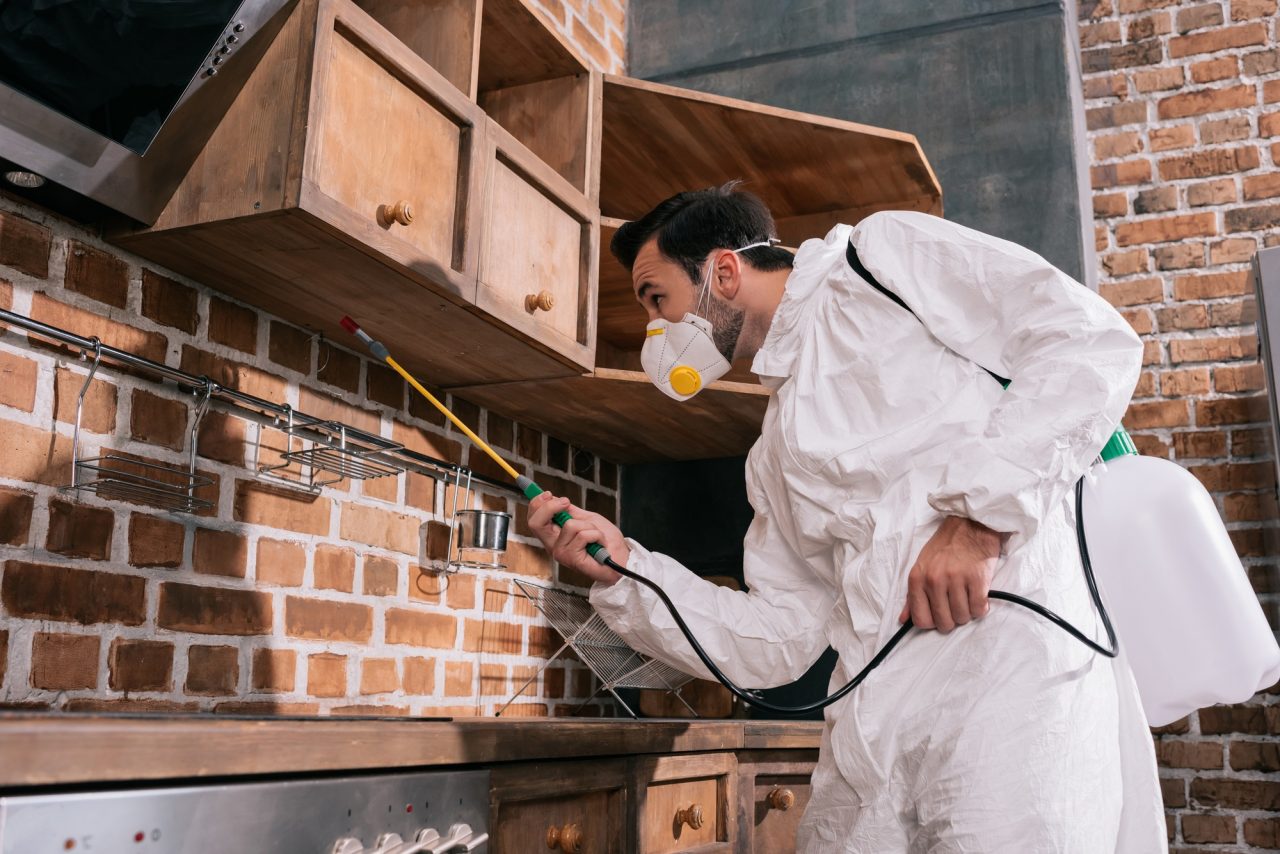
Professional inspection to detect visible and hidden mold growth, ensuring a safe and healthy living environment for your family.
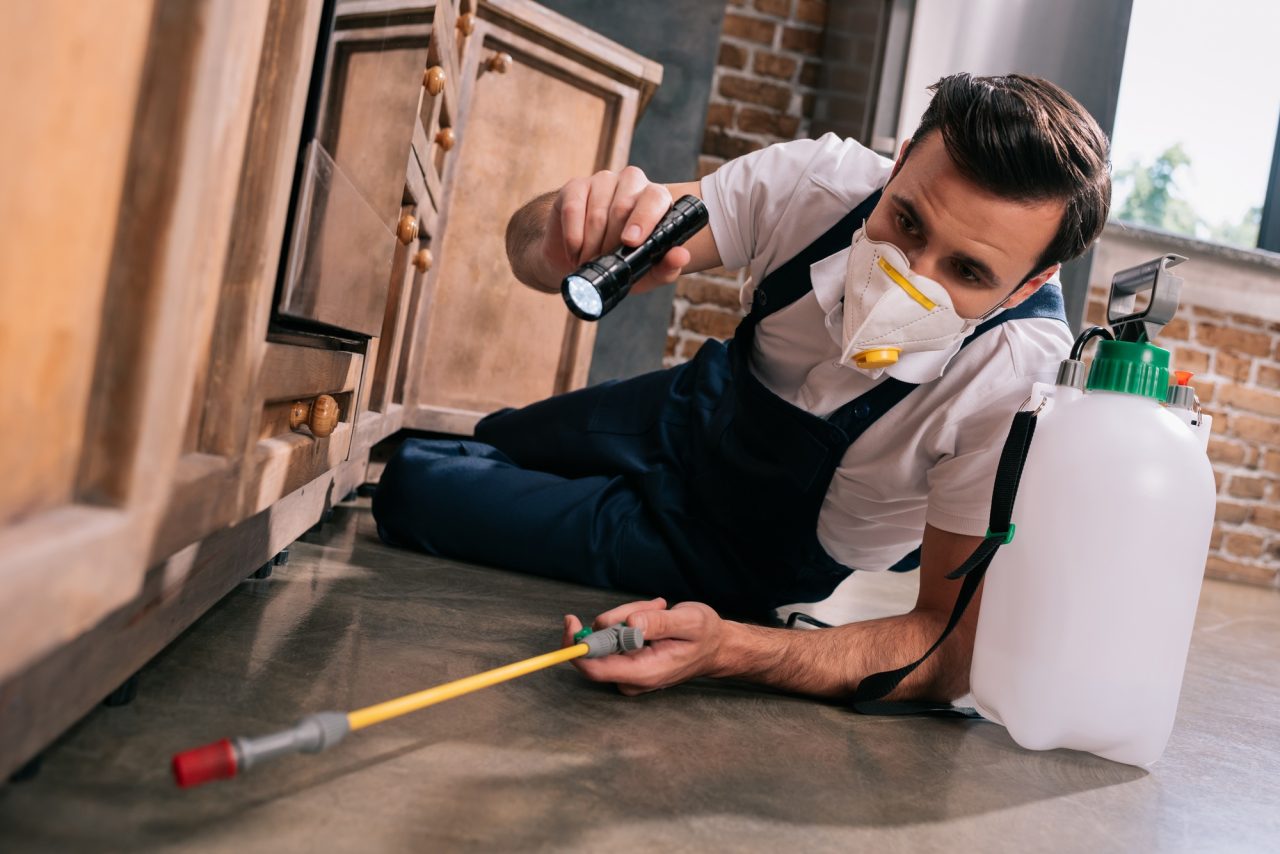
Comprehensive mold removal services for offices, buildings, and industrial spaces designed to maintain clean indoor air quality.
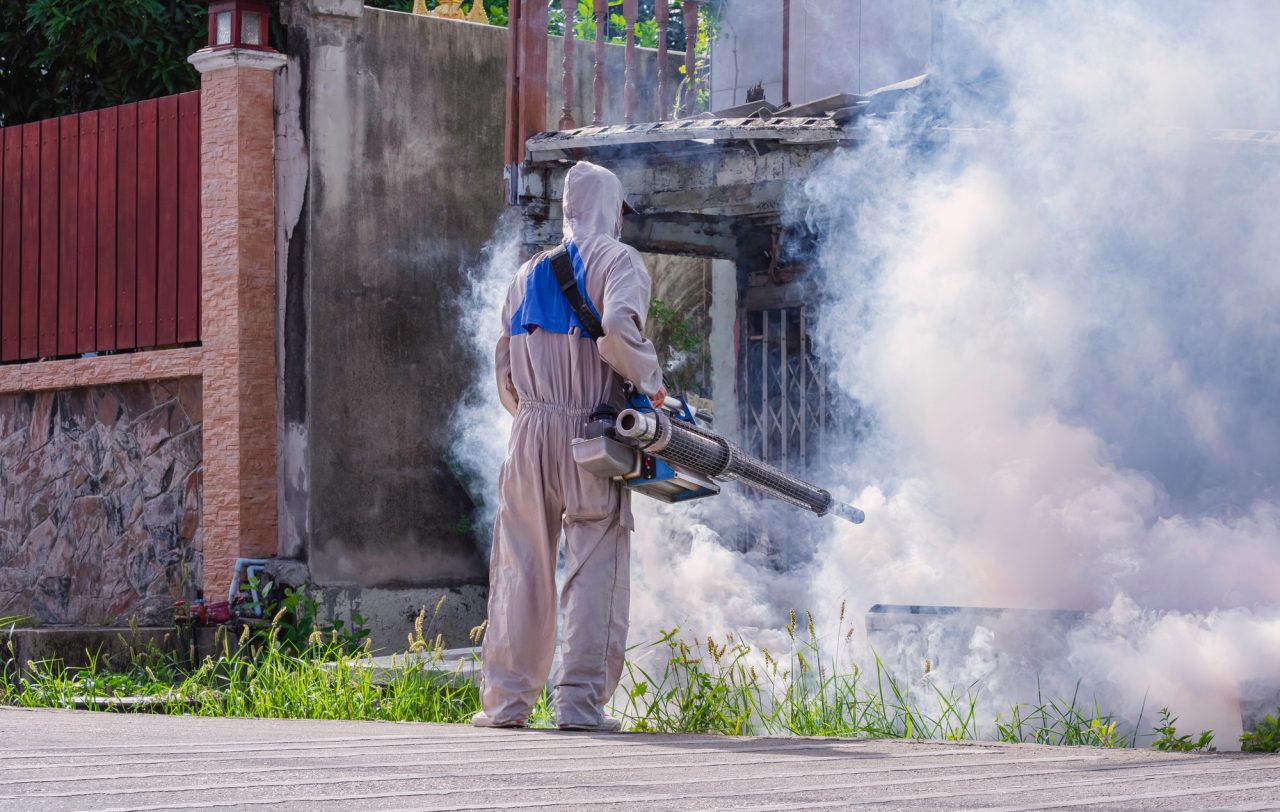
Accurate testing and analysis to identify mold spores and assess the air quality in your home or workplace.
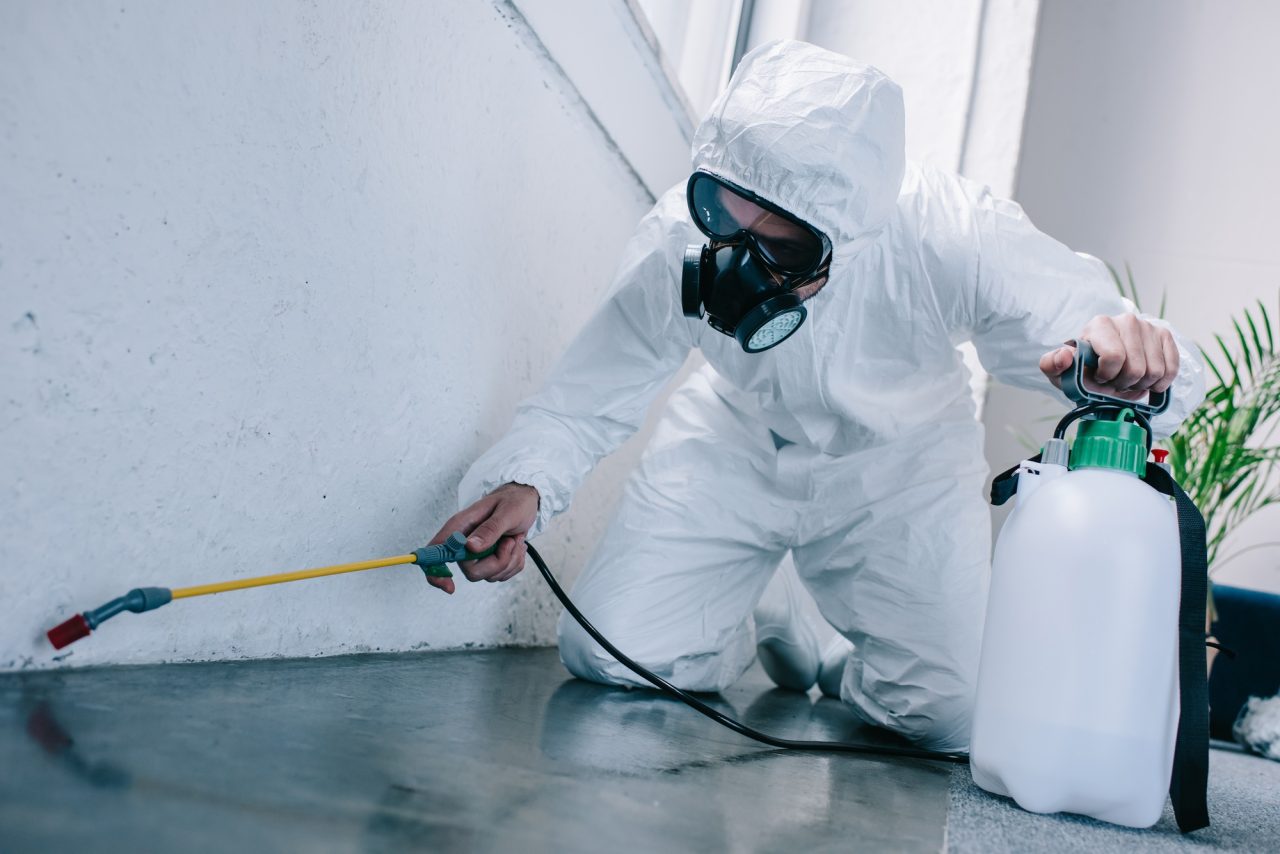
Advanced tools to identify sources of excess moisture and prevent future mold growth.
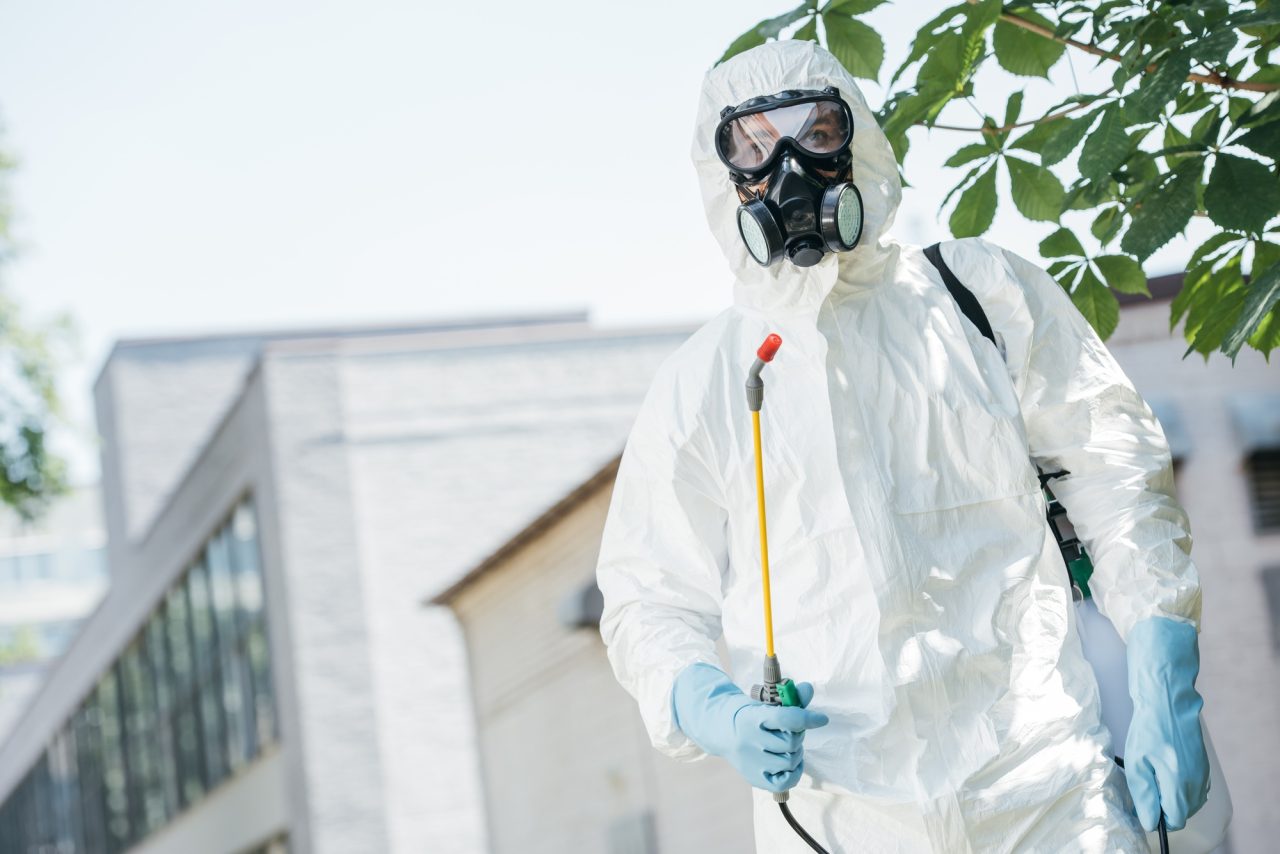
Fast-response remediation services available for urgent mold issues caused by flooding, leaks, or high humidity.
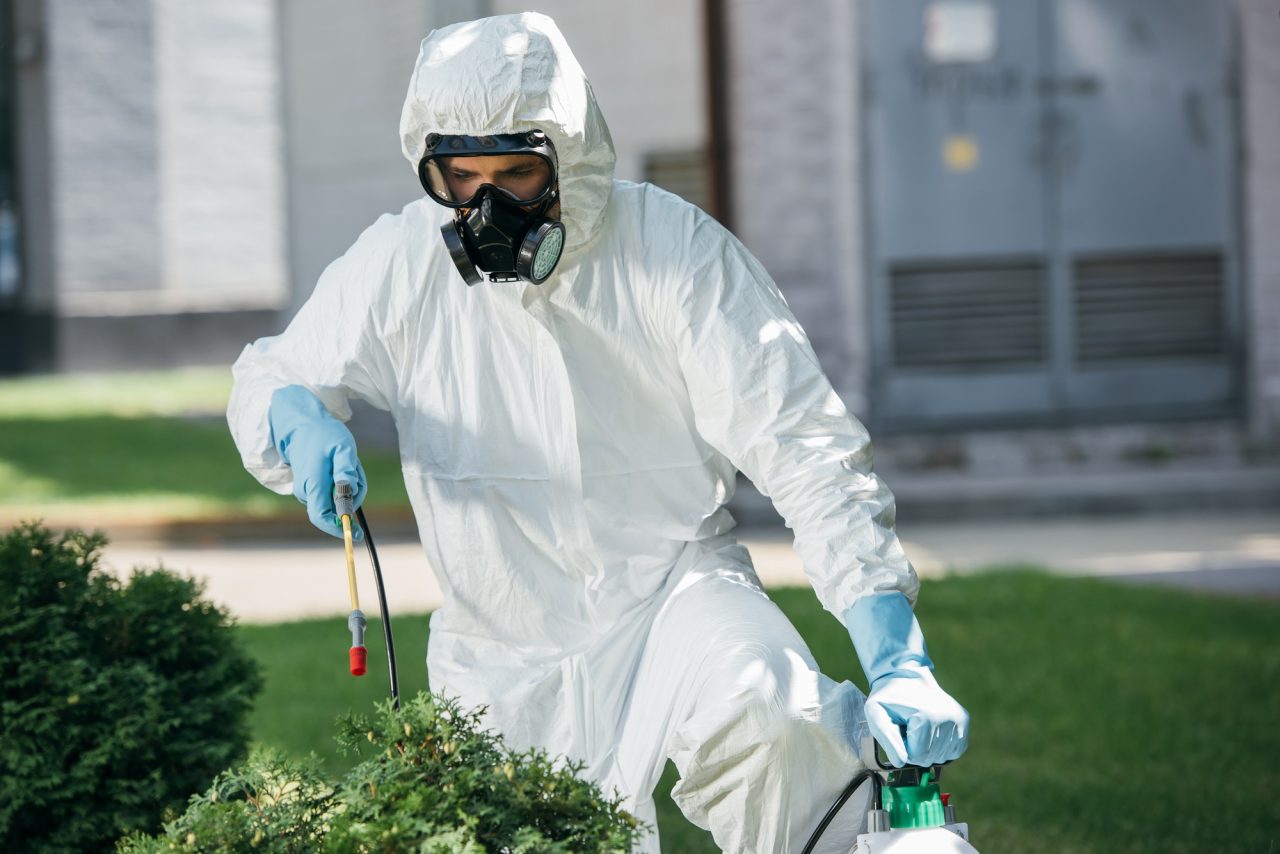
Safe, non-toxic products and sustainable cleaning methods that protect both your health and the environment.
Areas Served
Need More Help?
Our team is ready to provide expert mold removal assistance.
Get personalized guidance from our certified mold specialists to assess your situation and recommend the right service.
Need immediate mold inspection or removal? Submit a service request and our team will respond promptly.
For ongoing remediation projects or post-service maintenance, our support team is here to help.
Read our latest guides and articles on mold prevention, indoor air safety, and home maintenance.
Trusted by 25,000+ world-class brands and organizations of all sizes