
Welcome to EverClean Mold Removal
Mold Remediation St. Petersburg
15+
Who we are
Get to Know the Experts Behind EverClean Mold Removal.
Dedicated to restoring healthy, mold-free spaces for over 15 years.
Effective Tips for DIY Mold Remediation St. Petersburg Using Vinegar
Mold can be a persistent and unhealthy problem in homes. While commercial mold removers are available, many homeowners opt for a cost-effective and eco-friendly solution by using vinegar. Vinegar is a natural cleaning agent with antifungal and antibacterial properties, making it an excellent choice for addressing mold growth. Below is a comprehensive guide on how to create and use a DIY mold remover with vinegar effectively.
Effective Mold Remediation St. Petersburg FL: Why Vinegar Works Against Mold
Vinegar contains acetic acid, which can break down the structure of mold while also preventing its regrowth. It is effective against approximately 82% of known mold species, making it versatile for various household applications.
Essential Materials for St. Petersburg Mold Remediation
- White distilled vinegar (5–6% acidity recommended)
- Spray bottle (preferably glass or BPA-free plastic)
- Scrubbing brush (for stubborn stains)
- Bowl of warm water (optional, for rinsing)
- Protective gear (e.g., gloves and mask to protect from spores)
Comprehensive Step-by-Step Guide to Mold Remediation St. Petersburg FL
- Ensure proper ventilation in the room by opening windows or turning on fans.
- Wear gloves and a mask to avoid direct exposure to mold spores.
- Pour undiluted white distilled vinegar into the spray bottle. Avoid diluting it with water as this reduces its effectiveness against mold.
- Generously spray the vinegar onto the surface where mold is present.
- Allow it to sit for at least 30 minutes. This soaking period helps kill the mold at its root.
- Use a scrubbing brush or sponge to remove visible mold from the surface.
- For porous materials like wood, scrub gently but thoroughly.
- Wipe away excess residue with a damp cloth if needed.
- For non-porous surfaces like tiles or glass, rinsing isn’t always necessary as leftover vinegar provides added protection against regrowth.
- Use towels or allow the area to air dry completely since moisture encourages further mold growth.
Effective Tips for Mold Removal St. Petersburg FL Using Vinegar-Based Solutions
- Avoid mixing vinegar with bleach as this produces harmful chlorine gas.
- Test on small areas first if you’re cleaning sensitive materials like fabric or stone.
- Reapply weekly in problem areas prone to moisture buildup as part of preventive maintenance.
| Surface Type | Use Vinegar? | Notes |
| Tiles | ✅ Yes | Spray directly; no dilution needed |
| Wood | ✅ Yes | Scrub gently; avoid oversaturating |
| Carpet/Fabric | ⚠️ Caution | Test small area first; blot instead of rubbing |
| Stone | ⚠️ Caution | Avoid prolonged exposure; use sparingly |
Benefits of Hiring a Mold Specialist St. Petersburg for Natural Cleaning Solutions
- Cost-effective alternative that’s easily accessible in most households.
- Non-toxic and safe for use around kids and pets when applied correctly.
- Environmentally friendly compared to chemical-based solutions.
Regular cleaning routines incorporating natural remedies like vinegar can help minimize future instances of mold growth while maintaining a healthier living space for your household.
Comprehensive Guide by Mold Remediation Professionals St. Petersburg FL for Safe Mold Removal
Removing mold and its accompanying stains can be a daunting task if not approached safely and methodically. Mold spores can spread quickly, posing health risks if disturbed improperly. By following these step-by-step instructions, you can remove mold effectively while minimizing potential hazards to yourself and your household.
1. Assess the Area
Before starting the removal process, it’s essential to evaluate the severity of the mold growth.
- Small Areas (Less than 10 square feet): These can typically be handled with DIY methods.
- Large or Widespread Areas: Consider consulting a professional as they may require specialized equipment and expertise.
Take note of where the mold is growing — porous materials (like drywall or carpet) often require removal, while non-porous surfaces (like tiles) can be cleaned thoroughly.
2. Gather Personal Protective Equipment (PPE)
- Respirator Mask: N95 or higher-rated masks are recommended for effective filtration of airborne spores.
- Gloves: Non-porous gloves made of rubber, nitrile, or neoprene are ideal.
- Goggles: Protects your eyes from irritants during cleaning.
- Protective Clothing: Wear long-sleeved shirts and pants you don’t mind discarding after use.
3. Prepare the Cleaning Solution
| Cleaning Agent | Suitable For | Notes |
| White Vinegar | Non-porous surfaces like tiles | Spray undiluted vinegar directly on mold; let sit for 1 hour before scrubbing. |
| Baking Soda & Water | Walls, wood surfaces | Mix 1 teaspoon baking soda in water; scrub gently after application. |
| Commercial Mold Cleaners | Severe stains or heavy growth | Follow product instructions carefully. |
Avoid mixing bleach with ammonia or other cleaners as this produces toxic fumes.
4. Contain the Work Area
- Seal off doors and vents with plastic sheets and tape.
- Use an air purifier equipped with a HEPA filter in nearby areas.
Ensure proper ventilation by opening windows if possible.
5. Remove Mold Safely
- Spray your chosen solution directly onto the affected area.
- Allow it to sit for at least 20–60 minutes to break down mold colonies effectively.
- Gently scrub using a soft-bristled brush or sponge until all visible growth is removed.
- Rinse the surface with clean water where applicable and dry thoroughly to prevent recurrence.
- Cut around visibly affected areas using a utility knife.
- Dispose of contaminated materials in sealed plastic bags.
6. Proper Disposal of Contaminated Materials
Place all used rags, sponges, brushes, gloves, and removed materials into heavy-duty trash bags immediately after use to limit contamination spread further.
7. Clean Up & Maintain Hygiene Post-Cleaning
- Wash reusable tools such as brushes in hot soapy water.
- Disinfect other non-disposable items used during cleanup.
Disinfect surrounding unaffected areas as an added precaution against lingering spores.
Following these steps diligently will help ensure that mold removal is both effective and safe for everyone involved in maintaining household health standards without unnecessary risks involved throughout execution phases .
Expert Tips on Mold Removal St. Petersburg: When to Call for Professional Help
Mold issues in your home can range from minor problems to severe infestations that compromise the safety and structure of your property. While DIY methods are effective for small-scale mold removal, there are situations where calling a professional mold removal expert is the safest and most practical solution. Below, we will discuss when it’s necessary to seek professional help, what to expect during the process, and why this step may be crucial for your health and home.
Situations That Require Professional Mold Removal
- Large-Scale Mold Infestation: If mold covers an area larger than 10 square feet (approximately 3 feet by 3 feet), it indicates a significant problem that requires professional intervention.
- Recurring Mold Growth: If you have removed visible mold multiple times but it continues to return, there may be an underlying issue such as hidden leaks or poor ventilation.
- Hidden Mold Growth: When you suspect mold in hard-to-access areas like behind walls, inside ductwork, or under flooring, professionals have specialized equipment like thermal imaging cameras to locate and address these issues.
- Health Concerns due to Mold Exposure: If you or your family members experience persistent health symptoms such as respiratory issues, headaches, or skin irritation that could be linked to mold exposure, professionals can assess and safely remove harmful molds such as Stachybotrys chartarum (black mold).
- Water Damage or Flooding: Significant water damage or past flooding increases the likelihood of widespread hidden mold growth. Professionals can handle these situations more comprehensively.
Benefits of Hiring a Professional
- Professionals can perform air quality tests and identify the type of mold present in your home.
- They assess the root causes of moisture problems leading to mold growth.
- Experts use methods that minimize spore dispersion during removal.
- They follow safety protocols to protect both their team and occupants from exposure.
- Specialized tools such as HEPA vacuum systems, industrial-grade dehumidifiers, air scrubbers, and protective gear ensure efficient cleanup.
- After remediation is complete, professionals provide advice on how to prevent future outbreaks through improved ventilation, moisture control, and regular inspections.
How Professionals Handle Mold Remediation
| Step | Description |
| Initial Assessment | A thorough inspection identifies affected areas and determines the extent of damage. |
| Containment | Affected areas are sealed off using plastic sheeting to prevent spores from spreading. |
| Air Filtration | HEPA filters clean airborne spores during the remediation procedure. |
| Removal | Contaminated materials (e.g., drywall) may be removed; surfaces are treated with specialized cleaners. |
| Drying | Industrial dehumidifiers ensure all moisture is eliminated post-cleanup. |
Cost Considerations
The cost for professional removal varies depending on factors such as: – The size of the affected area – The type of materials impacted – Whether structural repairs or replacements are needed
On average: – Minor infestations may cost $500–$1,500. – Larger-scale remediation could range from $2,000–$6,000 or more.
Professional services may seem costly initially but save money long-term by preventing further damage or recurring outbreaks.
Final Thoughts on Seeking Expert Help
Mold is not just unsightly; it poses serious risks if untreated properly. Knowing when to call an expert ensures safety for your family while preserving property value. Always prioritize addressing root causes like moisture problems along with removing visible growth for long-term results.
Essential Equipment, Tools, and Materials for Mold Inspection St. Petersburg
Proper mold removal requires the right tools and materials to ensure safety, effectiveness, and thoroughness. When dealing with mold, it’s important to equip yourself with items that not only help remove the mold but also protect your health during the process. Below is a comprehensive list of essential equipment and materials you’ll need.
Personal Protective Equipment (PPE)
- N95 Respirator Mask: Shields your respiratory system from inhaling mold spores.
- Safety Goggles: Protects your eyes from irritants caused by airborne mold particles.
- Rubber Gloves: Prevents direct skin contact with mold and cleaning agents. Choose long gloves made from neoprene or rubber for better protection.
- Protective Clothing: Wear disposable coveralls or old clothing that can be discarded after cleanup to avoid spreading spores elsewhere.
Cleaning Tools
- Scrub Brushes: Use stiff-bristled brushes for scrubbing porous surfaces like wood or concrete. Opt for smaller brushes for tight spaces.
- Sponges or Cloths: Ideal for wiping down flat surfaces after applying cleaning agents.
- Vacuum with HEPA Filter: Captures fine particles and prevents spores from re-entering the air during cleanup.
- Buckets and Spray Bottles: For applying cleaning solutions and rinsing surfaces as needed.
Cleaning Solutions
| Cleaning Agent | Best Used For |
| White Vinegar | Removes light surface mold on nonporous materials |
| Hydrogen Peroxide | Effective against stubborn patches on hard surfaces |
| Baking Soda | Mild abrasive cleaner safe for most materials |
| Commercial Mold Removers | Designed specifically for tough infestations |
Always test cleaning solutions on a small area before applying them broadly to avoid damage.
Additional Tools & Materials
- Plastic Sheeting or Tape: Helps seal off contaminated areas to contain spore spread while working.
- Dehumidifier or Fan: Reduces moisture levels in affected areas post-cleanup.
- Moisture Meter: Identifies hidden damp spots where mold might thrive.
- Garbage Bags: For safely disposing of contaminated sponges, rags, or damaged materials (e.g., drywall).
Ventilation Equipment
- Use exhaust fans to ventilate enclosed spaces during cleanup.
- Open windows where possible for better air circulation.
By ensuring you have all these tools and materials prepared before starting a mold removal project, you can approach the task efficiently while minimizing health risks.
Essential Tips for Water Damage Restoration St. Petersburg FL to Prevent Mold Growth
Preventing mold growth is crucial for maintaining a healthy indoor environment, as mold can pose serious health risks and damage your property. By being proactive, you can minimize the chances of mold developing in your home or workspace. Below are practical tips to help you prevent mold growth and keep your space clean and safe.
Control Indoor Humidity Levels
- Use a dehumidifier: Especially in areas like basements, bathrooms, or laundry rooms where moisture tends to accumulate.
- Ventilate properly: Open windows or use exhaust fans in the kitchen, bathroom, and laundry areas.
- Monitor humidity: Use a hygrometer (humidity meter) to regularly check indoor humidity levels.
Fix Leaks and Address Water Issues Promptly
- Repair leaking pipes, roofs, or windows immediately.
- Check under sinks, around appliances like dishwashers and washing machines, and behind walls for hidden leaks.
- Dry any wet spots within 24–48 hours to prevent mold from forming.
Improve Ventilation
- Keep doors between rooms open during the day to promote air circulation.
- Use ceiling fans or portable fans where necessary.
- Clean HVAC systems regularly and ensure vents aren’t blocked by furniture.
Regular Cleaning Practices
- Use a vacuum cleaner with a HEPA filter for carpets and rugs as they can trap moisture and dirt.
- Wash shower curtains, bathroom tiles, and other damp surfaces weekly using vinegar or mild cleaning solutions.
- Avoid leaving damp clothes in laundry baskets; dry them promptly.
Manage Outdoor Factors
| Task | Action |
| Clean gutters | Remove debris to prevent water overflow. |
| Maintain yard drainage | Ensure water flows away from your home’s foundation. |
| Trim vegetation near walls | Allow sunlight and airflow near exterior surfaces. |
Use Mold-Inhibiting Products
- Paints with anti-microbial additives can help resist mildew in humid spaces like bathrooms.
- Install moisture-resistant drywall (e.g., green board) in areas prone to dampness.
Store Items Properly
- Store items like books or clothes in breathable containers instead of plastic bins when kept in damp environments like basements or attics.
- Utilize silica gel packets or other desiccants inside storage bins for extra protection against humidity.
By implementing these strategies consistently, you can significantly reduce the likelihood of encountering harmful mold problems within your living spaces.
Our value
Your Trusted Partner for Professional Mold Removal & Remediation Solutions
We are committed to helping homeowners and businesses create safe, healthy, and mold-free environments. Our certified experts provide thorough inspections, advanced remediation, and long-term prevention to ensure lasting protection for your property.
To be the leading mold remediation company known for restoring safe indoor environments and improving the health and well-being of every client we serve.
To provide reliable, eco-friendly, and efficient mold removal services using advanced technology and industry best practices — ensuring your home remains clean, dry, and free from harmful mold.
What we offer
Customized Pest Control Plans for Homes and Businesses.
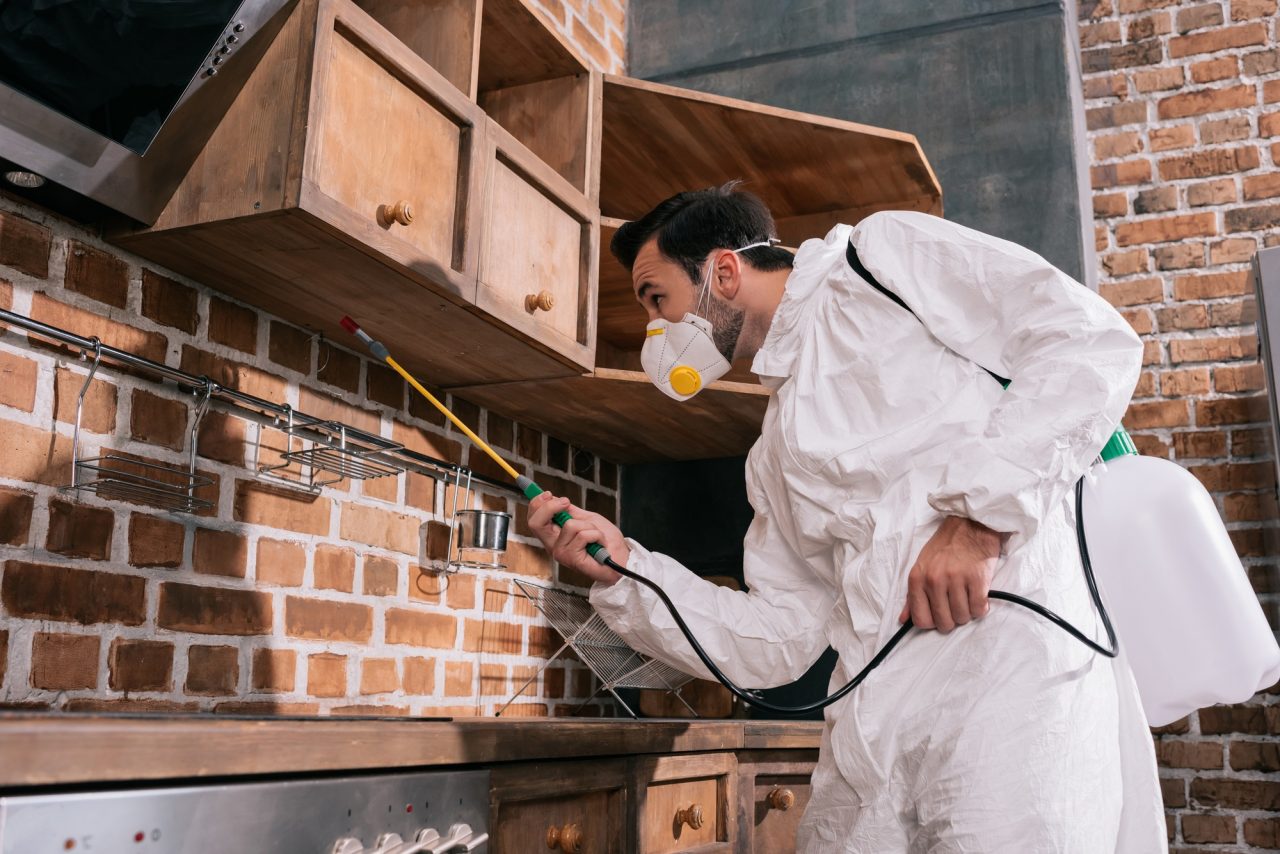
Professional inspection to detect visible and hidden mold growth, ensuring a safe and healthy living environment for your family.
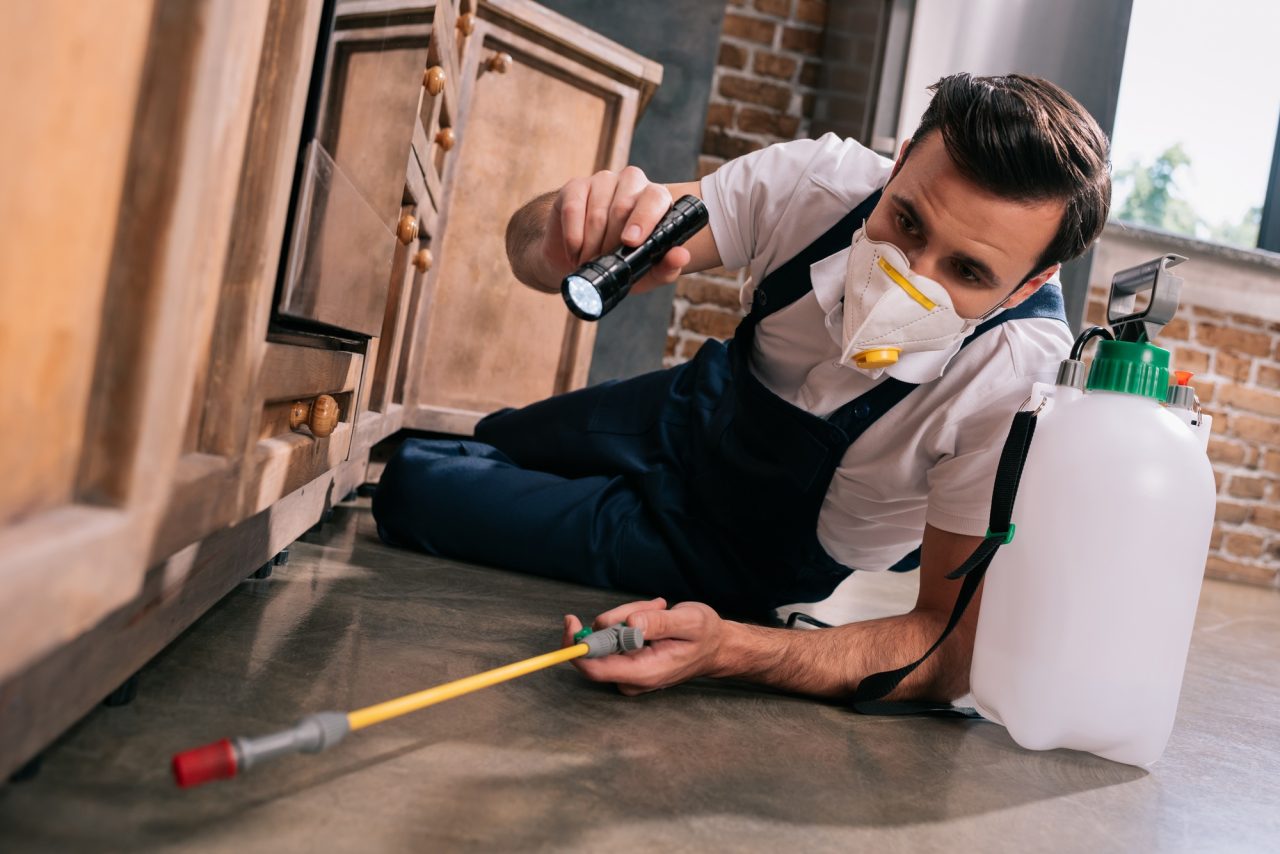
Comprehensive mold removal services for offices, buildings, and industrial spaces designed to maintain clean indoor air quality.
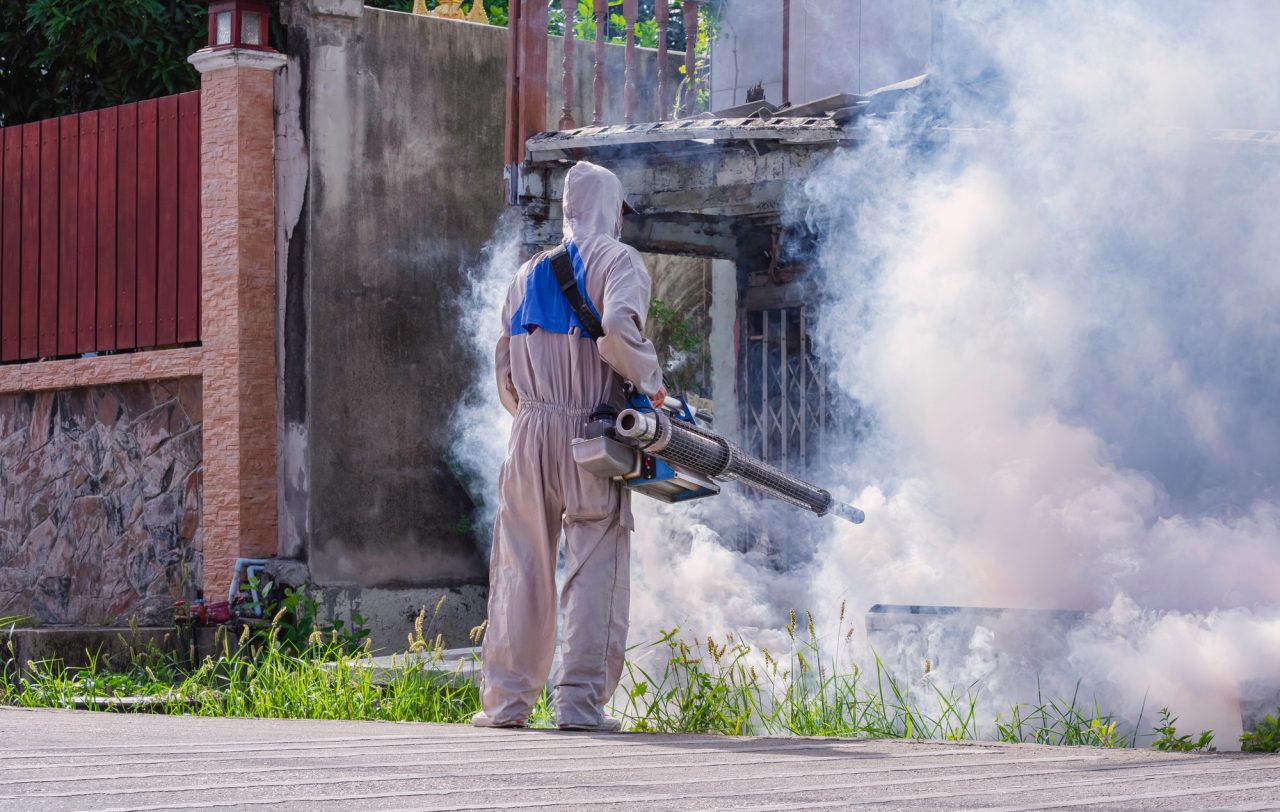
Accurate testing and analysis to identify mold spores and assess the air quality in your home or workplace.
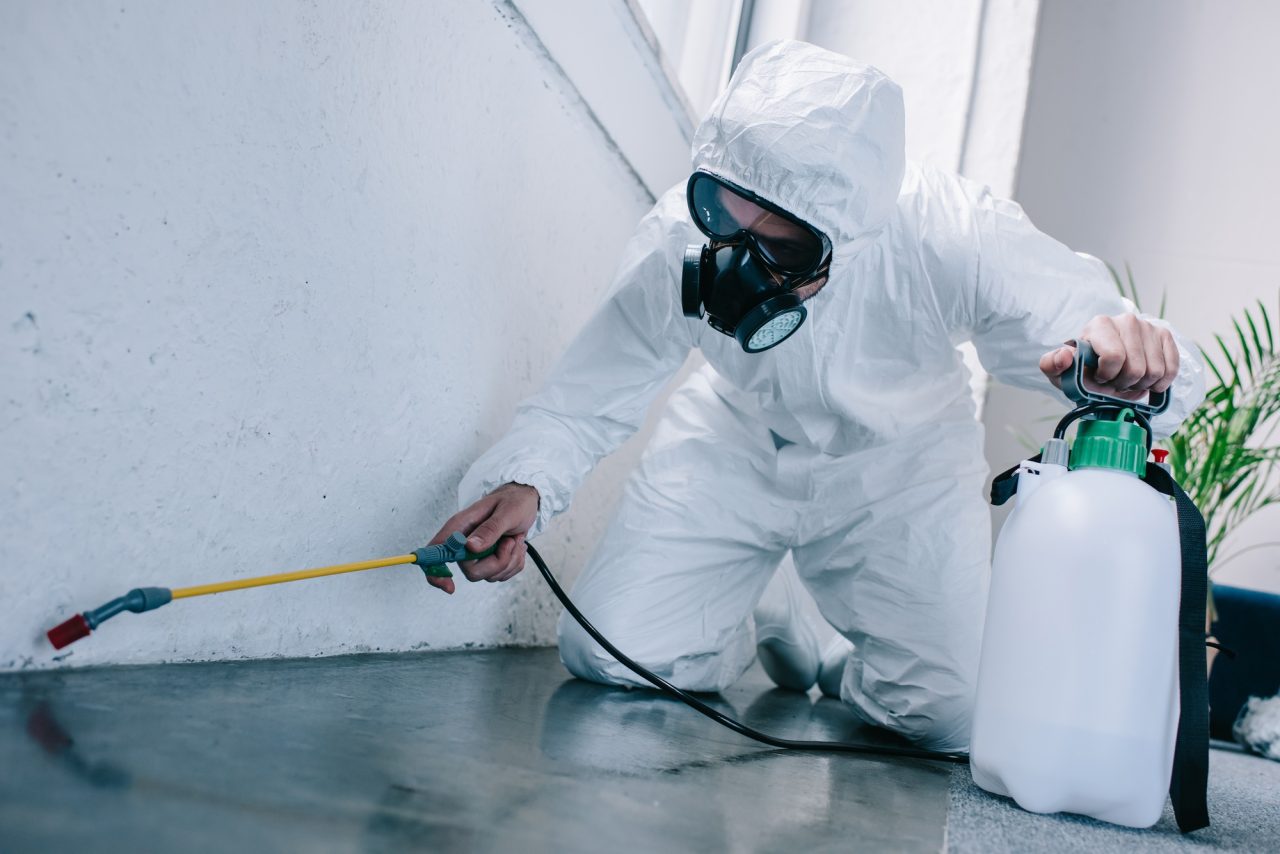
Advanced tools to identify sources of excess moisture and prevent future mold growth.
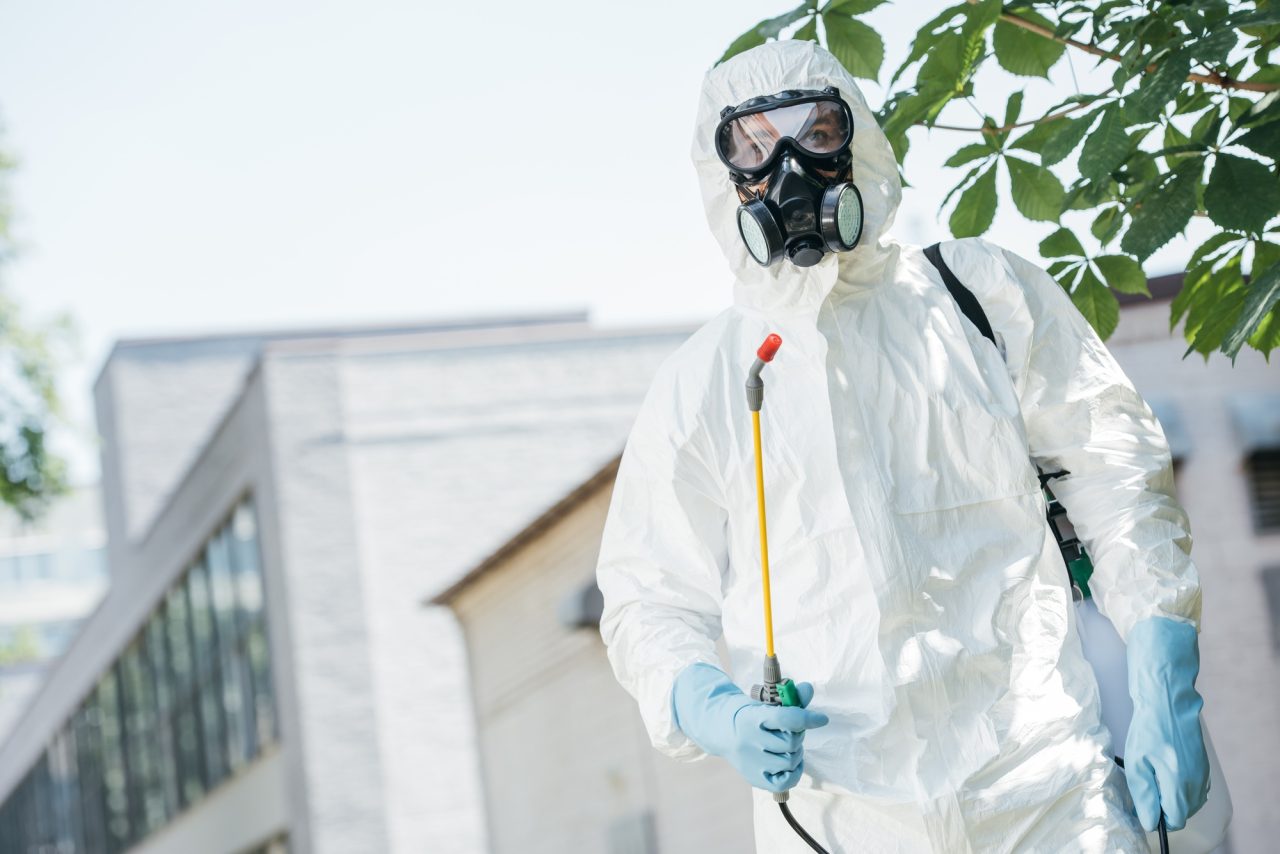
Fast-response remediation services available for urgent mold issues caused by flooding, leaks, or high humidity.
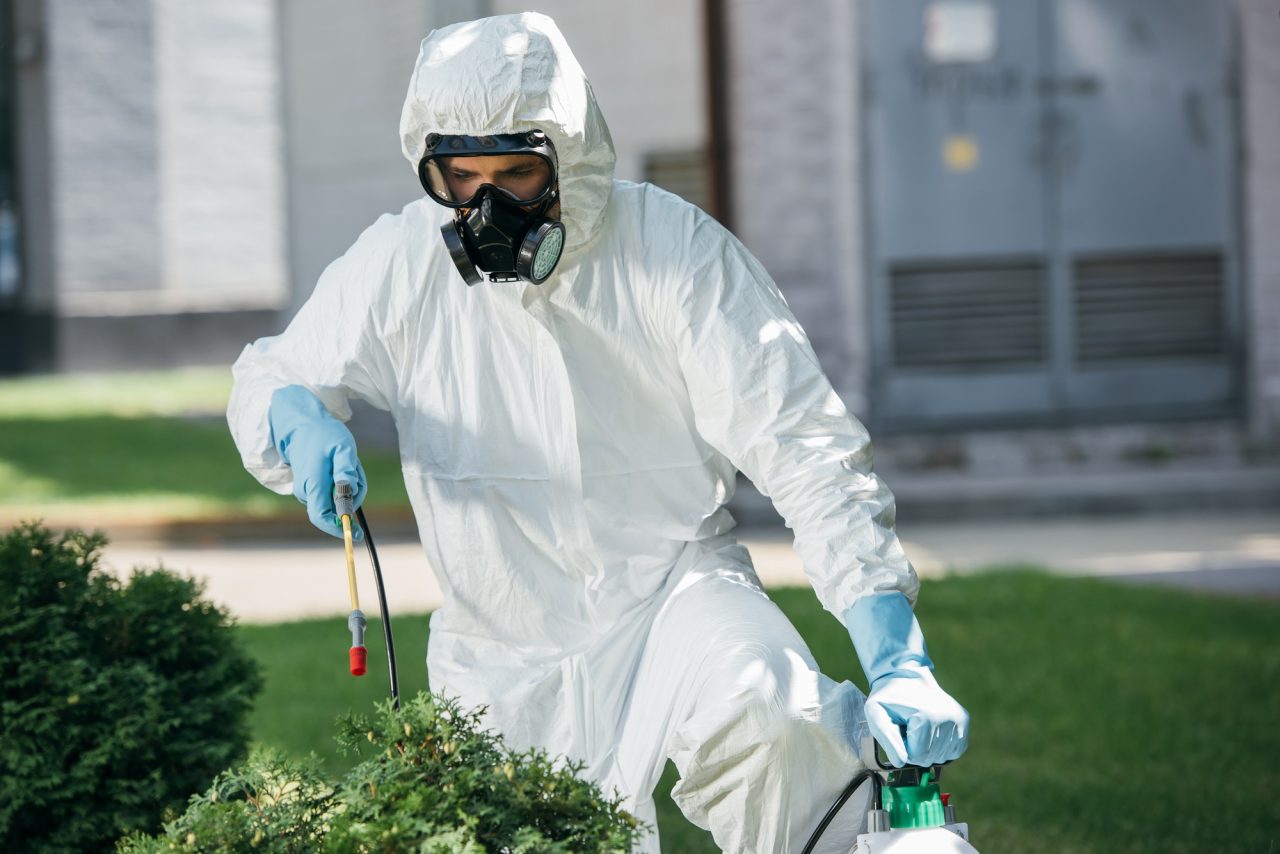
Safe, non-toxic products and sustainable cleaning methods that protect both your health and the environment.
Areas Served
Need More Help?
Our team is ready to provide expert mold removal assistance.
Get personalized guidance from our certified mold specialists to assess your situation and recommend the right service.
Need immediate mold inspection or removal? Submit a service request and our team will respond promptly.
For ongoing remediation projects or post-service maintenance, our support team is here to help.
Read our latest guides and articles on mold prevention, indoor air safety, and home maintenance.
Trusted by 25,000+ world-class brands and organizations of all sizes