
Welcome to EverClean Mold Removal
Mold Remediation Port St. Lucie
15+
Who we are
Get to Know the Experts Behind EverClean Mold Removal.
Dedicated to restoring healthy, mold-free spaces for over 15 years.
Effective Mold Remediation Port St. Lucie
Mold growth on wood surfaces can be a persistent issue in homes, particularly in areas with high humidity or water damage. It not only affects the appearance of wood but also poses potential health risks. Properly addressing mold is essential to ensure the safety and longevity of your home.
Effective Mold Remediation Port St. Lucie
Effectively removing mold from wood surfaces involves a structured approach and the right tools.
- Cleaning Mold with Soap and Water
– For light mold growth, begin by mixing mild dish soap with warm water. – Use a soft-bristled brush or sponge to gently scrub the affected area. – Avoid excessive water usage, as it may saturate the wood and worsen the problem. - Vinegar Solution
- Baking Soda Paste
– Mix baking soda with water to form a paste. – Apply the paste directly to the affected area and allow it to dry completely. – Scrub off the mold using a soft brush, then wipe away any residue. - Commercial Mold Removers
– Always follow manufacturer instructions carefully when using chemical agents.
| Method | Best For | Precautions |
| Soap & Water | Light surface-level mold | Avoid excess moisture |
| Vinegar | Moderate infestations; non-toxic | Strong odor; may require multiple treatments |
| Baking Soda Paste | Small areas; non-toxic | May leave residue; requires scrubbing |
| Commercial Products | Severe infestations | Read safety instructions carefully |
If mold has spread over an area larger than 10 square feet, professional remediation is highly recommended as it often indicates underlying issues such as leaks or structural damage.- Mold behind walls, under floorboards, or in HVAC systems often goes undetected until it causes significant problems. Professionals have specialized tools like moisture meters and infrared cameras to locate hidden growth.
- If anyone in your household experiences symptoms like allergies, skin irritation, or respiratory issues linked to mold exposure, hiring experts ensures safer removal without further aggravating health conditions.
- Significant mold damage might compromise wooden structures such as beams or floorboards. A professional can assess whether repairs or replacements are needed while safely removing the infestation.
Advantages of Hiring Professionals for Mold Remediation Port St. Lucie
- Access to advanced tools and techniques for thorough removal.
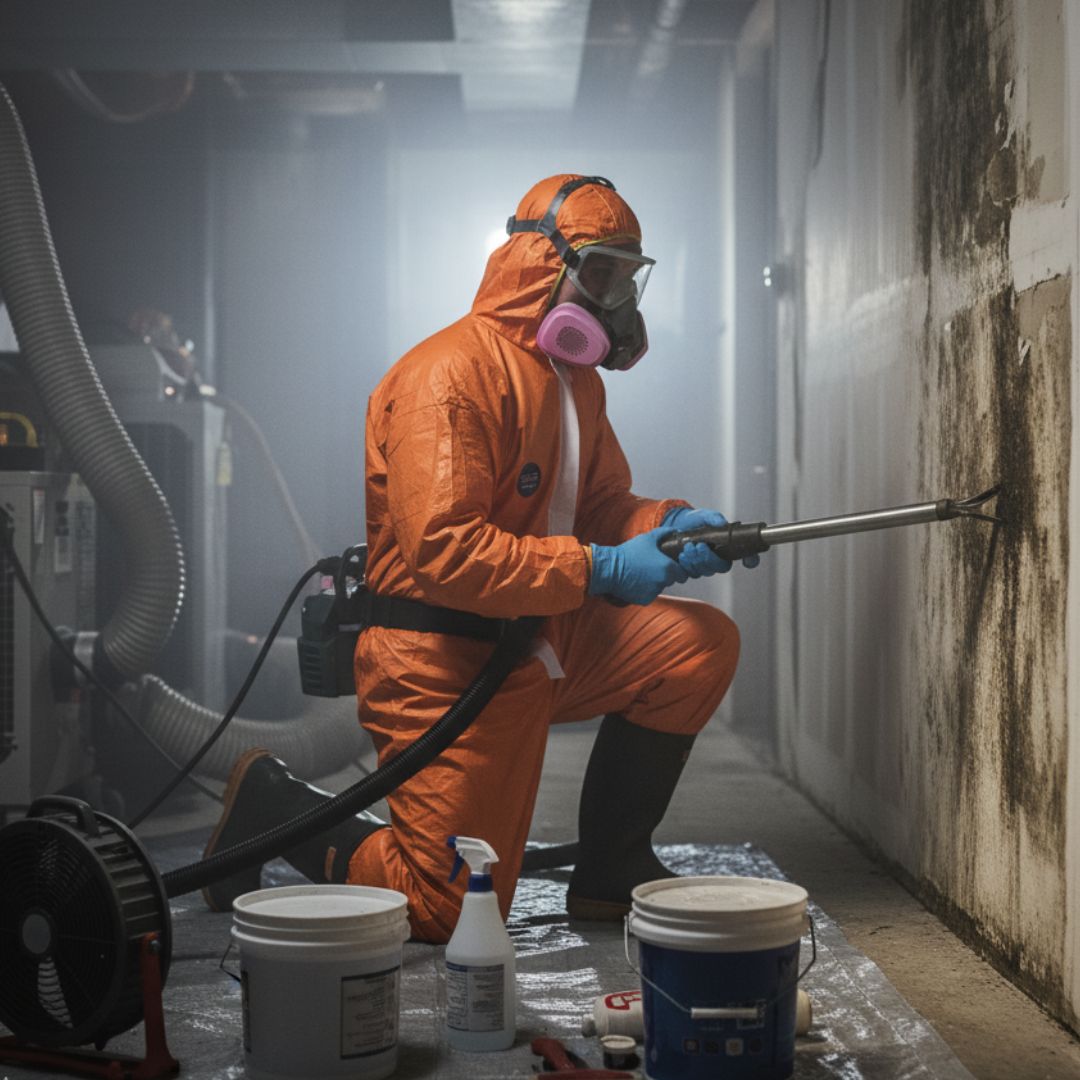
- Proper containment measures that prevent cross-contamination of spores.
- Expert identification of underlying causes like leaks or poor ventilation systems.
- Peace of mind knowing that both visible and hidden molds are effectively addressed.
Addressing mold early is vital not only for maintaining your home’s integrity but also for safeguarding your health against potential risks associated with prolonged exposure. Always weigh the severity of your situation before deciding between DIY efforts and professional expertise.
Expert Tips from Mold Remediation Professionals Port St. Lucie
Mold on wood surfaces can be a persistent problem if not addressed promptly and properly. Removing it requires a combination of the right tools, techniques, and safety measures to ensure it does not spread further or cause health issues. Below are clear steps you can follow to safely and effectively remove mold from wood surfaces.
Assessing Mold Removal in Port St. Lucie
Before starting, determine how severe the mold contamination is:
– Surface-level mold: Often appears as visible patches and may feel dry or powdery.
– Deep penetration: Mold might have infiltrated porous wood, which requires more intensive treatment or even replacement in severe cases.
Inspect areas like baseboards, floorboards, furniture, or wooden beams carefully for signs of discoloration or musty odors.
Consult a Mold Specialist Port St. Lucie
Having the right tools ensures both safety and effectiveness during the process.
– Personal protective equipment (PPE):Gloves (rubber or nitrile), goggles, an N95 respirator mask, and long-sleeve clothing.
– Cleaning agents:White vinegar, baking soda solution, hydrogen peroxide (3%), or a commercial mold remover designed for wood surfaces. Avoid bleach unless absolutely necessary as it may damage wood.Soft-bristle brush:For scrubbing without harming delicate wood surfaces.Microfiber cloths:For wiping down treated areas.Vacuum cleaner with HEPA filter:To capture loose spores before cleaning begins.Sealable plastic bags:For disposing of contaminated materials safely.
Prevent mold spores from spreading during removal by preparing your workspace:
1. Close doors leading to unaffected rooms but keep windows open for ventilation. 2. Cover nearby furniture or floors with plastic sheeting to protect against mold particles. 3. Use a HEPA vacuum cleaner to gently vacuum around the affected area before cleaning.
| Cleaning Agent | When to Use | How to Use |
| White vinegar | Light surface mold | Spray undiluted vinegar onto moldy areas, leave for 1 hour, then wipe with a damp cloth. |
| Baking soda solution | Gentle cleaner for delicate wood | Mix 1 teaspoon of baking soda with water; scrub lightly with a brush. |
| Hydrogen peroxide (3%) | Moderate growth / stained areas | Apply directly; wait 10 minutes before scrubbing. |
| Commercial mold remover | Stubborn / extensive growth | Follow manufacturer’s instructions carefully. |
For porous woods like untreated beams or plywood, allow enough time for your chosen cleaner to penetrate deeper into the material.
Using your soft-bristle brush, work in circular motions across affected areas: – For lighter infestations: A gentle scrub is sufficient. – For stubborn spots: Reapply cleaning solution as needed but avoid over-saturating the wood as excess moisture can worsen mold growth.
Wipe down treated sections immediately using clean microfiber cloths.
Proper drying is critical after cleaning: 1. Use fans pointed directly at cleaned areas. 2. Increase airflow by opening windows or using dehumidifiers in poorly ventilated spaces. 3. Avoid exposing wooden items directly to sunlight as this could warp them over time.
Wood should feel dry within 24–48 hours post-cleaning; otherwise, potential moisture problems may still exist in that area.
To ensure that the issue does not recur: – Inspect previously cleaned surfaces weekly for signs of new growth. – Keep indoor humidity levels below 50% with dehumidifiers if necessary. – Address underlying causes such as leaks or condensation promptly.
If you notice recurring issues despite your efforts—or if contamination spreads beyond manageable levels—consider consulting professional remediation experts who specialize in treating large-scale infestations effectively while minimizing risk factors associated with improper handling.
Effective Mold Removal Port St. Lucie
Mold growth on wood surfaces can be both unsightly and hazardous to your health. It’s essential to address the issue promptly while ensuring that proper techniques are used to avoid further damage or contamination. Below is a step-by-step guide to safely and effectively remove mold from wood surfaces.
Step 1: Assess the Extent of Mold Growth
Begin by inspecting the affected area to determine how severe the mold problem is. For small patches of surface mold, DIY methods may suffice. However, if the mold has penetrated deeply into the wood or covers a large area (more than 10 square feet), it may be best to call a professional for assistance.
You’ll also want to identify the source of moisture that caused the mold growth, such as leaks, high humidity, or poor ventilation. Addressing this root cause is critical to prevent recurrence.
Step 2: Gather Necessary Tools and Supplies
Protective Gear
– N95 respirator mask
– Safety goggles
– Rubber gloves
– Long-sleeved clothing
Cleaning Materials
– Soft-bristled brush or sponge
– Bucket of warm water
– Mild detergent or specialized mold cleaner
– White vinegar or hydrogen peroxide (optional for natural cleaning solutions)
Step 3: Prepare the Area for Cleaning
To minimize contamination:
1. Seal off nearby rooms using plastic sheeting or tarps if possible. This will help prevent spores from spreading as you clean. 2. Ensure proper ventilation by opening windows and doors or using an exhaust fan. 3. Remove any furniture, rugs, or items near the affected area that might come into contact with spores during cleaning.
Step 4: Clean Surface Mold From Wood
- Mix mild detergent with warm water in a bucket.
- Dip a soft-bristled brush into the solution and gently scrub away visible mold.
- Wipe excess moisture from the surface with a clean cloth immediately after scrubbing.
- Use white vinegar diluted with equal parts water as an alternative cleaning agent.
- Apply sparingly using a spray bottle—avoid soaking raw wood, as excessive moisture can exacerbate damage.
- Scrub lightly with a brush until all visible signs of mold are gone.
| Surface Type | Recommended Cleaning Agent | Additional Tips |
| Sealed/Varnished | Mild detergent + warm water | Dry thoroughly after cleaning |
| Unfinished/Raw | White vinegar + water (50/50 mix) | Avoid over-wetting; use sparingly |
Step 5: Dry Thoroughly
After cleaning, use fans or dehumidifiers to thoroughly dry both the cleaned areas and surrounding space. Mold thrives in damp conditions; eliminating any residual moisture is crucial for preventing regrowth.
Step 6: Sand If Necessary
If discoloration remains on unfinished wood after cleaning, light sanding may be required: 1. Use fine-grit sandpaper to gently buff out stains caused by lingering spores. 2. Clean sanding dust immediately with a vacuum equipped with HEPA filtration to prevent inhalation of particles.
Step 7: Take Preventive Measures Against Future Mold Growth
To reduce future risks: – Fix leaks in plumbing or roofing promptly. – Maintain indoor humidity levels below 60% using dehumidifiers if needed. – Improve airflow through regular use of fans and by opening windows periodically.
By following these steps carefully, you can effectively remove mold from wooden surfaces while minimizing health risks and protecting your home’s integrity over time.
Essential Safety Tips for Mold Inspection Port St. Lucie
When dealing with mold removal, safety should always be a top priority. Mold can pose health risks and compromise the structural integrity of your home if not addressed properly. Before starting the process, it is crucial to take appropriate precautions to protect yourself, your loved ones, and your property from potential harm. Below are essential safety measures to consider when removing mold.
Personal Protective Equipment (PPE)
Wearing the right gear minimizes exposure to mold spores and toxic substances during the removal process.Respirator mask:Use an N95 or higher-grade respirator approved by the National Institute for Occupational Safety and Health (NIOSH) to block airborne mold spores.Gloves:Opt for long, non-porous gloves made of materials like rubber, nitrile, or neoprene. Avoid fabric or leather gloves that can absorb spores.Goggles:Wear goggles without ventilation holes to protect your eyes from irritation caused by mold particles or cleaning agents.Protective clothing:Wear long-sleeved clothing and pants that you can wash immediately after use. For severe infestations, disposable coveralls are recommended.
Ensure Proper Ventilation
Mold removal often involves using strong cleaning agents that emit fumes. To reduce inhalation risks: – Open windows and doors in the area where you are working. – Use fans or exhaust systems to circulate fresh air. – If possible, isolate the workspace by sealing off doors with plastic sheeting to prevent spores from spreading to other areas.
Contain Mold Spores
Preventing cross-contamination is critical when dealing with mold removal. Follow these steps: 1. Seal off vents in the affected area using plastic coverings and duct tape. 2. Remove any soft furnishings like curtains or rugs that may trap airborne spores. 3. Keep children, pets, and individuals with compromised immune systems away from the workspace until cleanup is complete.
Avoid Direct Contact With Mold
To minimize direct exposure: – Never touch visible mold colonies with bare hands. – Do not use dry-brushing methods as they can release large quantities of spores into the air.
Handle Cleaning Chemicals Safely
Cleaning solutions such as bleach or hydrogen peroxide are effective at killing mold but require caution during use: – Always read product labels for instructions and warnings before application. – Mix chemicals in well-ventilated areas only; avoid combining products unless explicitly permitted on labels (e. g. , never mix bleach with ammonia).
| Common Cleaning Agents | Key Safety Tips |
| Bleach | Dilute 1 cup per gallon of water; never mix with ammonia |
| Vinegar | Safe for porous surfaces; use undiluted for tough spots |
| Hydrogen Peroxide | Wear gloves; test on small areas before applying widely |
Know When to Stop
Consider calling a licensed remediation expert if: – Mold has penetrated deep into walls or ceilings. – You suspect HVAC systems have been contaminated. – Occupants experience persistent health issues despite cleanup efforts.
By following these safety precautions carefully during mold removal projects, you can effectively safeguard both personal health and household integrity while addressing this common issue responsibly.
Essential Safety Tips for Water Damage Restoration Port St. Lucie
When dealing with mold removal, prioritizing safety is essential for both your health and the integrity of your home. Mold can release spores into the air during cleaning, which can present serious health risks and potentially spread further if not handled correctly. Implementing proper safety measures ensures that you minimize exposure to harmful substances while effectively addressing the issue.
Wear Appropriate Personal Protective Equipment (PPE)
Before beginning any mold removal process, equip yourself with the right protective gear. This will safeguard you against inhaling spores or coming into direct contact with mold.
- Respirator Mask: Use an N95 respirator or one rated for mold spore filtration to prevent inhaling mold particles.
- Gloves: Wear long, non-porous gloves such as rubber or nitrile gloves to protect your hands from irritants.
- Protective Eyewear: Safety goggles without ventilation holes help shield your eyes from airborne spores and cleaning chemicals.
- Clothing: Opt for long-sleeved shirts, long pants, and disposable shoe covers to prevent skin exposure. Consider wearing coveralls that can be disposed of after use.
Isolate the Contaminated Area
Mold spores are easily airborne, making it critical to contain the affected area during cleanup.
- Seal Entry Points: Use plastic sheeting and duct tape to seal doors, windows, and vents in the area where you’ll work.
- Turn Off HVAC Systems: Shut down heating or cooling systems during cleanup to avoid spreading spores through air circulation.
- Use Negative Air Pressure Machines (if available): These devices help prevent spore movement by sucking contaminated air out of the room while filtering it.
Ensure Proper Ventilation
Open a window or use fans equipped with HEPA filters to direct airflow outward.
Choose Safe Cleaning Products
- Avoid mixing cleaning agents like bleach and ammonia; this combination produces toxic fumes.
- Opt for EPA-approved mold removers for added safety.
- For porous surfaces like untreated wood where chemicals might seep in deeply, consider natural alternatives such as white vinegar or baking soda solutions.
| Cleaning Agent | Effectiveness Against Mold | Safety Considerations |
| Bleach | Effective on non-porous surfaces | Can produce harmful fumes; must dilute properly |
| Vinegar | Good for light infestations | Non-toxic but has a strong odor |
| Baking Soda | Gentle on surfaces | Safe for household use |
| Commercial Mold Removers | Highly effective | Follow label instructions carefully |
Dispose of Materials Safely
- Place debris (e. g. , rags, brushes) in heavy-duty garbage bags.
- Seal bags tightly before removing them from your home.
- Dispose of them according to local regulations regarding hazardous materials.
Monitor Your Health During Mold Removal
- Take regular breaks in fresh air if working in a confined space.
- Be alert for symptoms like headaches, dizziness, or irritation affecting your skin or respiratory system.
If symptoms persist or worsen after exposure to moldy environments despite these measures, consult a healthcare professional immediately.
By understanding these safety precautions and implementing them effectively throughout the mold removal process, you’ll minimize risks associated with handling this common household hazard while protecting both yourself and your living environment.
Our value
Your Trusted Partner for Professional Mold Removal & Remediation Solutions
We are committed to helping homeowners and businesses create safe, healthy, and mold-free environments. Our certified experts provide thorough inspections, advanced remediation, and long-term prevention to ensure lasting protection for your property.
To be the leading mold remediation company known for restoring safe indoor environments and improving the health and well-being of every client we serve.
To provide reliable, eco-friendly, and efficient mold removal services using advanced technology and industry best practices — ensuring your home remains clean, dry, and free from harmful mold.
What we offer
Customized Pest Control Plans for Homes and Businesses.
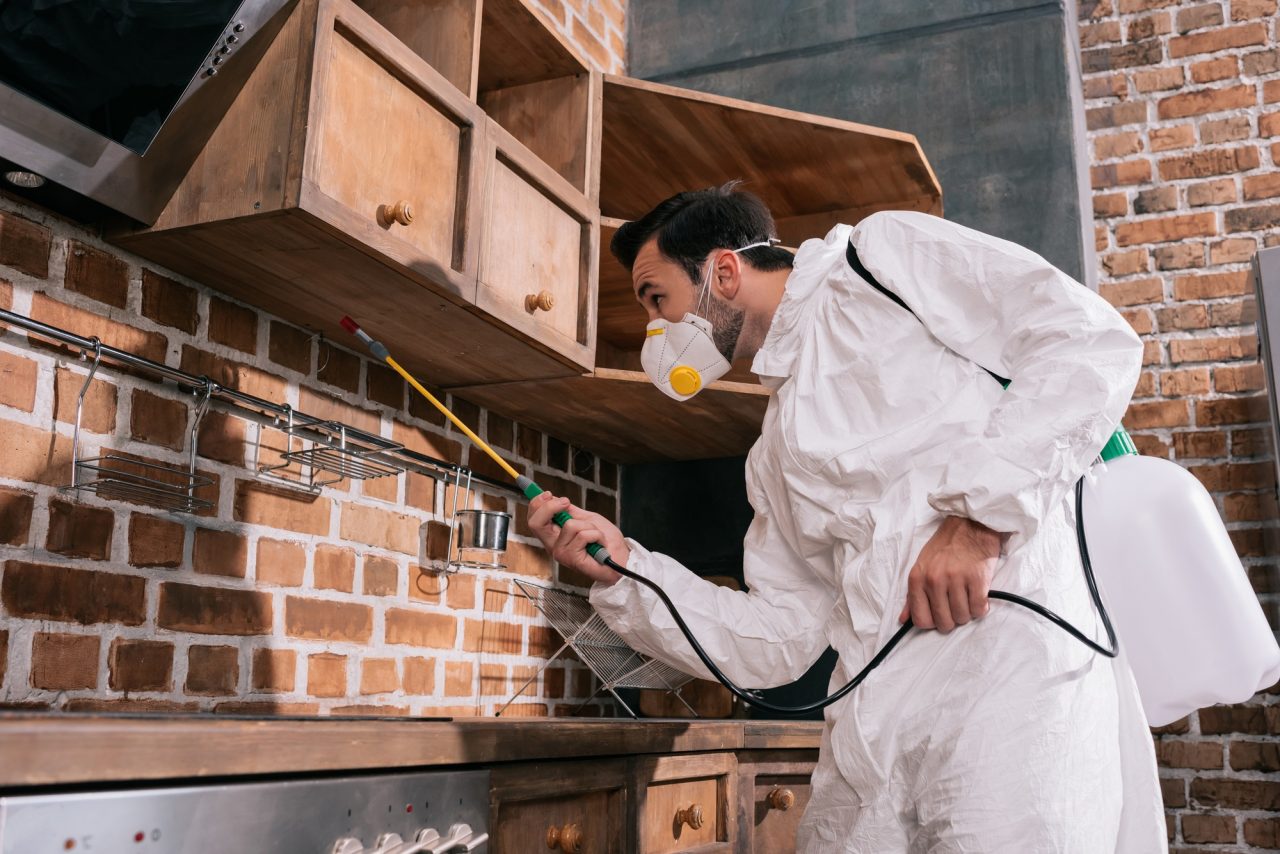
Professional inspection to detect visible and hidden mold growth, ensuring a safe and healthy living environment for your family.
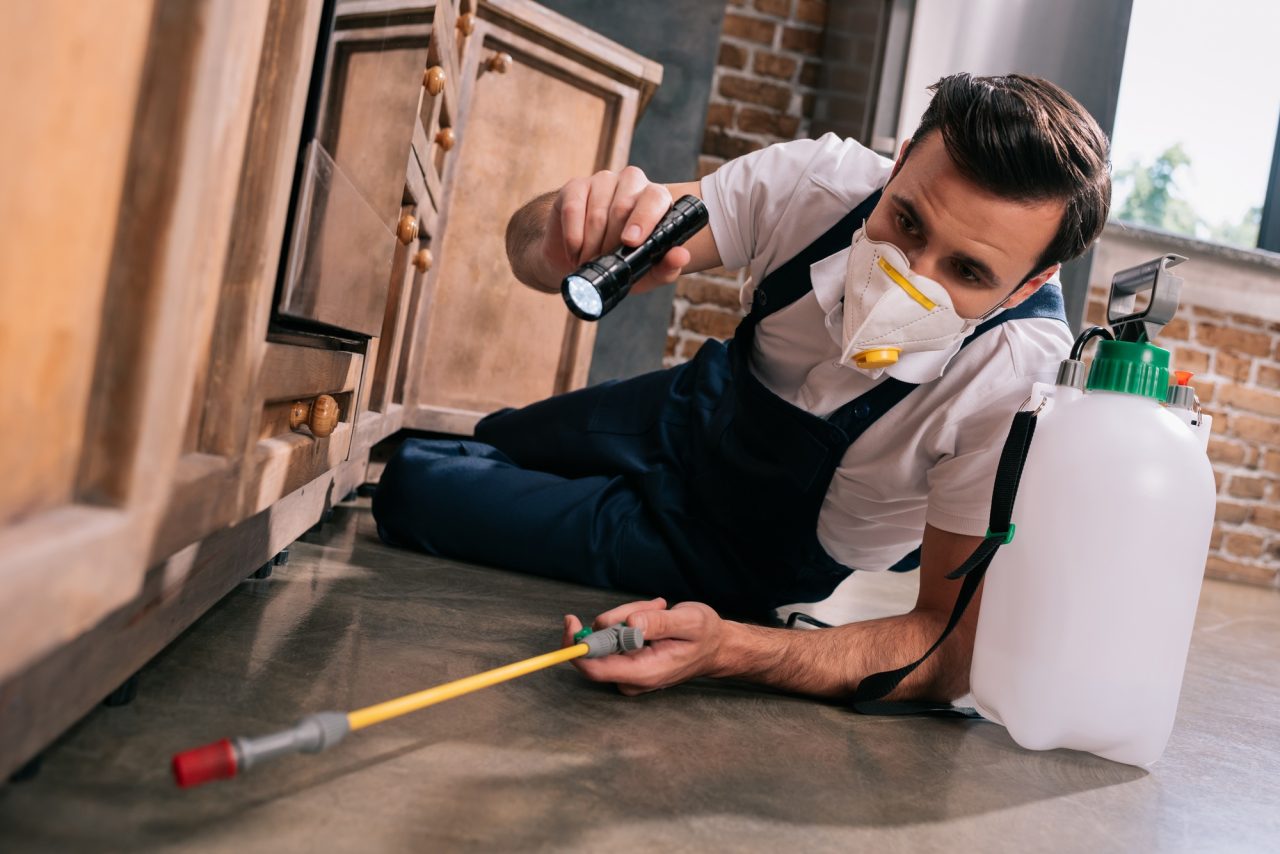
Comprehensive mold removal services for offices, buildings, and industrial spaces designed to maintain clean indoor air quality.
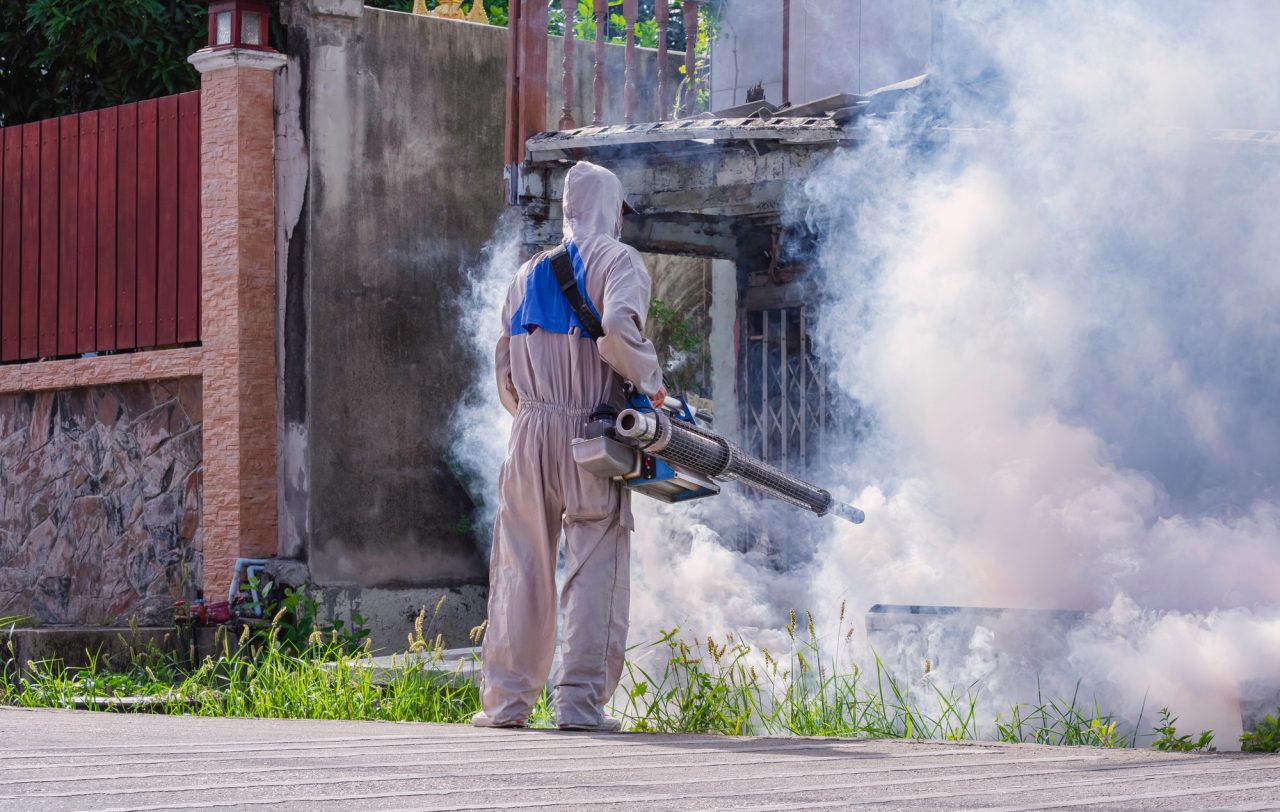
Accurate testing and analysis to identify mold spores and assess the air quality in your home or workplace.
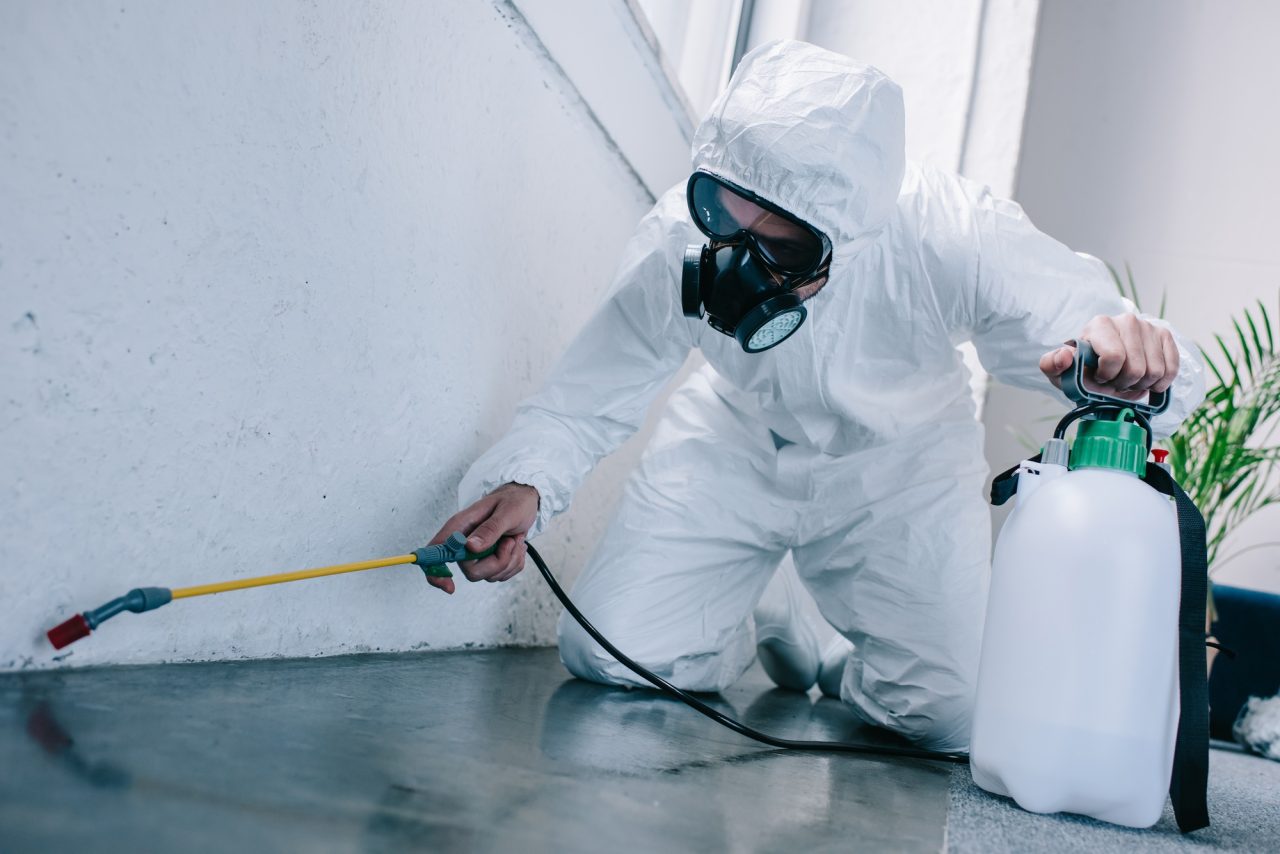
Advanced tools to identify sources of excess moisture and prevent future mold growth.
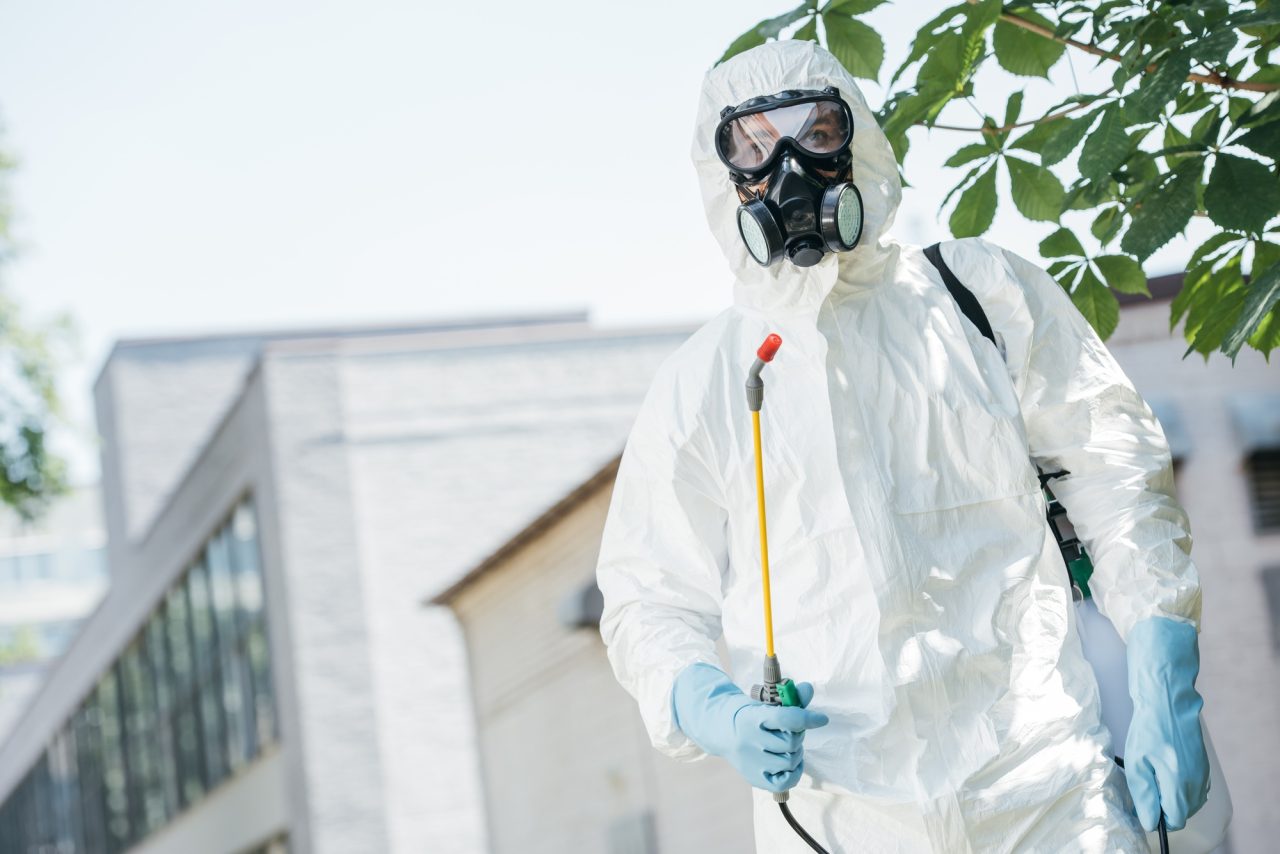
Fast-response remediation services available for urgent mold issues caused by flooding, leaks, or high humidity.
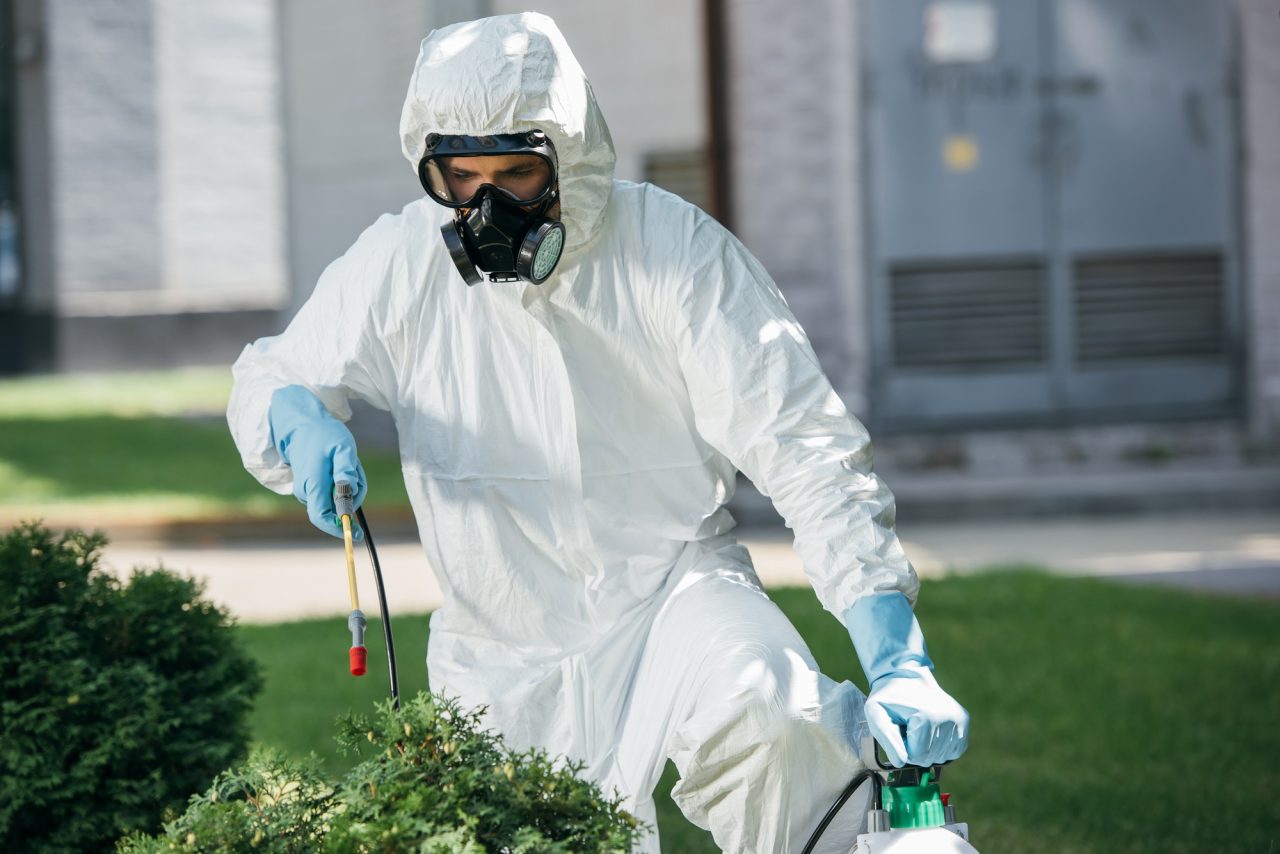
Safe, non-toxic products and sustainable cleaning methods that protect both your health and the environment.
Areas Served
Need More Help?
Our team is ready to provide expert mold removal assistance.
Get personalized guidance from our certified mold specialists to assess your situation and recommend the right service.
Need immediate mold inspection or removal? Submit a service request and our team will respond promptly.
For ongoing remediation projects or post-service maintenance, our support team is here to help.
Read our latest guides and articles on mold prevention, indoor air safety, and home maintenance.
Trusted by 25,000+ world-class brands and organizations of all sizes