
Welcome to EverClean Mold Removal
Mold Remediation Pembroke Pines
15+
Who we are
Get to Know the Experts Behind EverClean Mold Removal.
Dedicated to restoring healthy, mold-free spaces for over 15 years.
Exploring the Stages of Mold Removal Pembroke Pines Homes Need
Mold remediation involves addressing mold growth in your home to prevent further damage and ensure a safe living environment. Understanding the different levels and stages of mold remediation can help you take appropriate action at the right time. This guide outlines these stages, offering insights into how to address them effectively.
Levels of Mold Contamination
- Common in areas like bathrooms or around windows where moisture is trapped.
- Can be managed by homeowners using proper protective gear such as gloves, goggles, and masks.
- Steps include cleaning with detergent and water, ensuring proper ventilation, and addressing the source of moisture.
- Typically found on walls, ceilings, or HVAC systems due to minor leaks or persistent humidity issues.
- Requires more extensive work like removing affected materials (e.g., drywall) while taking precautions to contain spores during cleanup.
- Indicates significant mold proliferation across multiple rooms or structural areas.
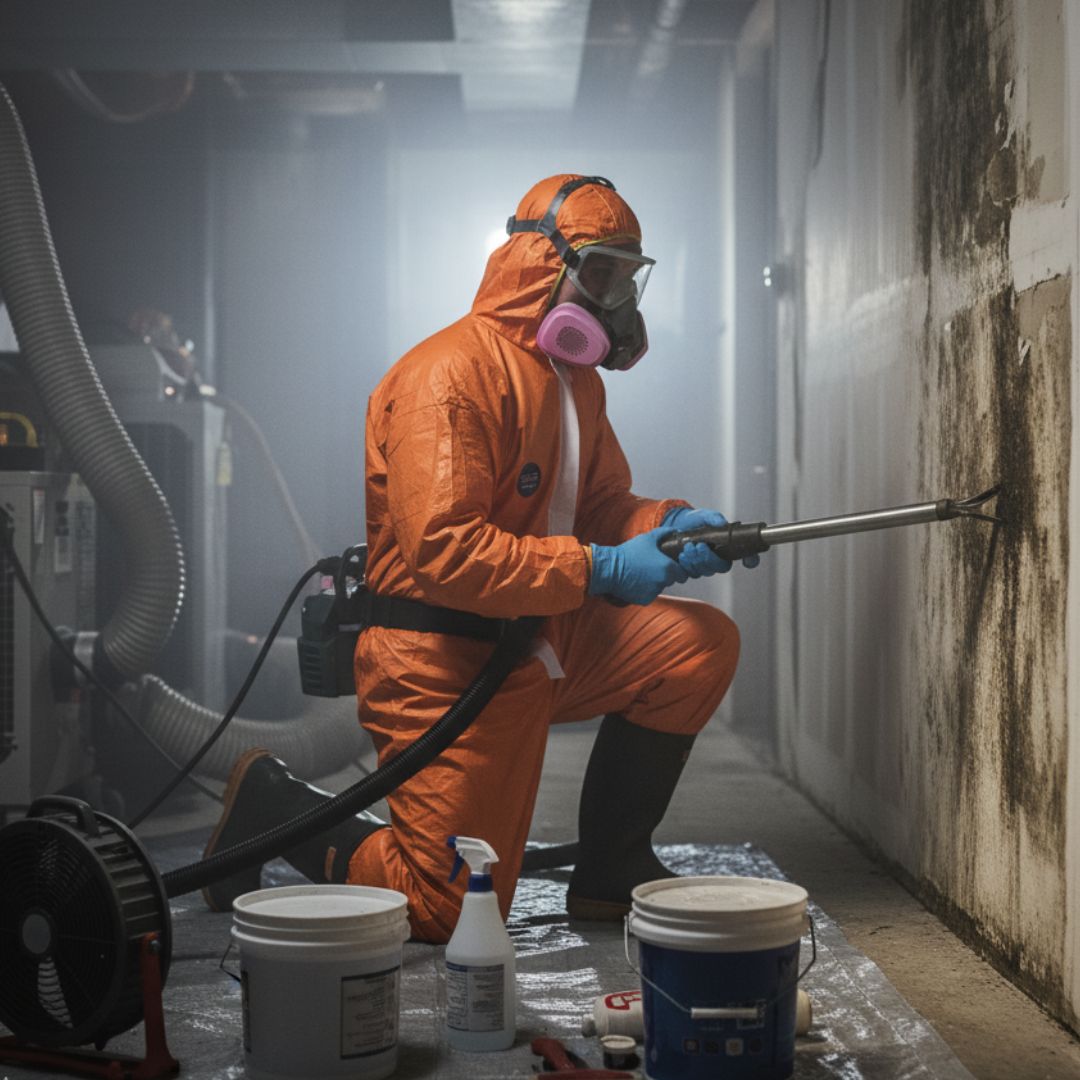
- Professional remediation is generally recommended as it includes containment strategies such as negative air pressure systems during removal.
- Severe infestations often caused by major water damage or prolonged neglect.
- Requires a team of professionals with specialized equipment for cleaning and restoring affected areas safely.
Understanding the Stages of Mold Growth with a Mold Inspection Pembroke Pines
- Spores enter your home through air currents, clothing, pets, or shoes.
- No visible growth yet but spores settle on damp surfaces preparing for colonization.
- Initial root structures develop if moisture remains available for more than 24-48 hours.
- You might notice faint discoloration or musty odors at this stage.
- Clusters form as mold colonies begin thriving under optimal conditions (humidity over 60%, warm temperatures).
- Visible patches appear along with worsening indoor air quality.
- Significant spread across structural surfaces leading to potential health risks and property damage.
- Remediation requires immediate professional intervention when it reaches this stage.
Best Practices for Addressing Each Stage
| Stage | Recommended Action | Tools/Approach Needed | Cost Implications |
| Spore Landing | Improve ventilation; eliminate dampness | Dehumidifiers; fans | Low |
| Hyphal Growth | Clean surfaces; repair minor leaks | Cleaning solutions; safety gear | Moderate |
| Colonization | Remove contaminated materials | HEPA vacuums; containment setup | Moderate to High |
| Advanced Growth | Hire professionals | Specialized tools/equipment | High |
Importance of Early Detection
Detecting mold issues early minimizes costs and health impacts: – Saves damaged building materials from replacement. – Reduces exposure to allergens that may cause respiratory problems. – Prevents further spread into hard-to-reach areas like wall cavities or HVAC systems.
By understanding these levels and stages, homeowners can take informed steps toward maintaining a safe environment free from harmful mold contamination while preserving their property’s integrity long-term.
Effective Mold Remediation Pembroke Pines: Stages of Mold Growth and Prevention Tips
Understanding the stages of mold growth is crucial for addressing infestations effectively and preventing them from worsening. Mold thrives in warm, damp, and dark environments, making it a common household issue. Below, we break down the key stages of mold growth and provide actionable prevention strategies.
Stages of Mold Growth
- Mold spores exist naturally in both indoor and outdoor environments. At this stage, they are typically harmless and invisible to the naked eye.
- Common sources: air, dust, and organic materials such as wood or fabric.
- Spores begin to germinate when they land on a surface with sufficient moisture. This stage usually occurs within 24 to 48 hours after exposure to water or high humidity levels.
- Visible signs: often undetectable at this point without specialized equipment.
- Mold colonies start forming after germination, typically within 3-12 days depending on environmental conditions such as temperature and moisture presence.
- Visible signs: small patches of discoloration (white, green, black, or grey) on damp surfaces like walls or ceilings.
- Health risks: mild allergic reactions may occur during this stage.
- Colonies expand rapidly if left untreated, feeding on organic material like drywall, wood, carpeting, or insulation.
- Visible signs: large patches spreading across surfaces with a noticeable musty odor.
- Health risks: increased exposure may cause respiratory issues or exacerbate asthma.
- If not remediated promptly, mold can penetrate deep into porous materials. Structural damage becomes a concern at this stage.
- Visible signs: widespread growth covering significant areas; some areas of structural weakness may also be apparent.
- Health risks: prolonged exposure can lead to severe health problems such as chronic respiratory conditions.
Effective Strategies for Water Damage Restoration Pembroke Pines FL
Control Moisture Levels
- Fix leaks in roofs, windows, pipes, or other structures immediately upon discovery.
- Maintain indoor humidity levels below 50% using dehumidifiers or air conditioners.
- Ensure proper ventilation in moisture-prone areas like bathrooms and kitchens.
Improve Ventilation
- Utilize exhaust fans in bathrooms during showers or baths to reduce condensation buildup.
- Open windows periodically (weather permitting) for better airflow throughout your home.
Regular Cleaning & Maintenance
- Clean and dry wet surfaces promptly after spills or leaks occur.
- Use mold-resistant cleaning solutions for regular upkeep in areas prone to moisture accumulation.
Monitor High-Risk Areas
Keep an eye on areas where mold is most likely to form: | Location | Risk Factor | Preventive Tips | |—————————|————————————-|——————————————| | Bathrooms | High humidity | Install bathroom fans; wipe shower walls daily | | Basements | Poor ventilation; potential leaks | Use sump pumps; inspect foundation regularly | | Kitchens | Cooking steam | Use range hoods while cooking | | Roofs/Attics | Leaks due to rain/weather | Inspect roofing annually |
When Should You Consider Mold Remediation Pembroke Pines FL?
For advanced infestations where mold covers more than ten square feet or has penetrated porous materials deeply (e.g., drywall), professional remediation services are highly recommended. Specialists have access to equipment that ensures safe removal without contaminating other parts of your home.
By acting quickly and following these preventative measures at each stage of mold growth development, you can safeguard your home environment from further contamination while protecting your family’s health effectively.
Effective Pembroke Pines Mold Remediation for HVAC System Contamination
Mold contamination in HVAC systems can often go unnoticed but poses significant risks to both health and indoor air quality. Understanding how mold infiltrates HVAC systems, recognizing the signs of contamination, and addressing the issue promptly are critical components of maintaining a safe and healthy home. This section will delve into the causes, symptoms, and steps for addressing mold contamination in your HVAC system.
How Mold Contaminates HVAC Systems
- High Humidity: Poor humidity control creates an environment conducive to mold growth.
- Condensation: Moisture from cooling coils or uninsulated ductwork can lead to damp conditions.
- Neglected Maintenance: Dust and debris buildup provide nutrients for mold spores to thrive.
- Leaky Ducts or Poor Sealing: External moisture can seep into the system through damaged areas.
Once inside, mold can colonize air ducts, filters, or cooling coils, spreading throughout the home as air circulates.
Signs of Mold Contamination in Your HVAC System
- Unusual Odors: A musty or earthy smell when your heating or cooling system is running often indicates mold presence.
- Visible Mold Growth: Dark spots near vents, grilles, or duct openings may signify active growth.
- Health Symptoms: Increased allergy-like symptoms such as sneezing, coughing, watery eyes, or asthma flare-ups can indicate poor indoor air quality caused by mold.
- Reduced System Efficiency: Blockages from debris and fungal colonies may lead to inefficient airflow or higher energy consumption.
- Excess Moisture Around Components: Consistently damp areas around air handlers or ductwork signal potential problems.
Steps for Addressing HVAC Mold Contamination
- Professional Inspection
Hire a certified technician who specializes in mold assessment and remediation within HVAC systems. They will be able to confirm whether your system is affected and determine the extent of contamination. - Remove dust and debris from ducts using appropriate tools like rotary brushes.
- Consider applying an EPA-registered cleaning agent designed specifically for use against biological contaminants.
- Use high-efficiency particulate air (HEPA) filters capable of trapping fine particles.
- Regularly replace filters according to manufacturer guidelines.
- Addressing Moisture Issues
Resolve underlying causes such as condensation buildup or leaky ducts by installing insulation around problem areas. - UV-C Light Installation (Optional)
Installing ultraviolet light within your HVAC unit helps sterilize interior surfaces by neutralizing microbial growth over time. - Regular Maintenance Schedule
Create a maintenance routine involving annual inspections coupled with routine cleaning efforts aimed at reducing future risk factors contributing toward fungal proliferation.
Table: Preventive Measures for Minimizing Mold Risks in an HVAC System
| Preventive Measure | Description |
| Maintain Indoor Humidity | Keep humidity levels between 30%-50% using dehumidifiers if necessary |
| Seal Air Leaks | Inspect ductwork regularly; seal leaks with mastic tape |
| Clean Air Filters Frequently | Replace every 1–3 months depending on usage |
| Clear Drain Lines | Ensure no obstructions prevent proper water drainage |
| Schedule Annual Servicing | Routine professional evaluation ensures optimal functionality |
By actively managing these preventive measures alongside timely intervention strategies outlined above when issues arise ensures an optimally functioning environment free from unwanted health-compromising hazards stemming directly related sources ie:Mold via-HAVC
Effective Mold Remediation in Pembroke Pines FL for a Healthier Home Environment
Mold is more than just an unsightly problem in homes — it poses serious health risks and can negatively impact the air quality of your living space. Managing mold levels effectively is critical to maintaining a clean and healthy indoor environment. Understanding why this matters and how to control mold growth is essential for every homeowner.
Why Managing Mold Levels is Crucial
Unchecked mold growth can lead to a variety of problems, including:
– Health Issues: Exposure to mold spores can cause respiratory problems, allergies, skin irritation, and worsen conditions like asthma. Some molds produce mycotoxins, which are harmful when inhaled over time.
– Structural Damage: Mold eats away at organic materials such as wood, drywall, and insulation, which can weaken the structural integrity of your home.
– Decreased Property Value: Visible mold or a history of mold damage can deter potential buyers and lower the value of your property.
Key Strategies for Managing Mold Levels
- Maintain indoor humidity between 30%–50%. Use dehumidifiers or air conditioners during humid seasons.
- Monitor humidity levels with a hygrometer.
- Ensure proper ventilation in high-moisture areas such as bathrooms, kitchens, and laundry rooms.
- Use exhaust fans or open windows while cooking or showering.
- Repair leaking pipes, roofs, or windows immediately.
- Inspect under sinks and around appliances like washing machines for signs of water damage.
- Use cleaning products designed to kill mold on non-porous surfaces.
- Launder fabrics (e.g., curtains) prone to dampness regularly.
- Dry wet areas within 24–48 hours to stop spore development.
- Wipe up spills immediately and dry floors or walls exposed to water leaks.
Early Indicators That Mold Levels Are Rising
Recognizing early signs of elevated indoor mold levels allows you to intervene before the issue worsens:
– A persistent musty odor indicates hidden moisture problems where spores may thrive.
– Dark stains or discoloration on ceilings or walls signal water damage that could support fungal growth.
– Increased allergy-like symptoms among household members might point toward airborne spore contamination.
Comparing Preventative Measures vs Remediation Costs
| Approach | Estimated Cost (USD) | Potential Outcome/Impact |
| Routine maintenance | $50–$200/year (equipment/tools) | Reduces risk; prevents costly remediation |
| Dehumidifiers installation | $100–$300/device | Controls humidity; minimizes spore spread |
| Delayed remediation | $500–$6,000+ | Structural repairs; extensive health hazards |
Efforts aimed at regular inspection and moisture control often prove far less expensive than addressing advanced infestations requiring professional intervention.
Creating a Sustainable Cleaning Protocol
To maintain healthier environments long-term:
1. Regularly inspect vulnerable areas like basements or crawl spaces for dampness/mold signs.
2. Incorporate natural antifungal cleaners (e.g., vinegar solutions) into weekly cleaning routines wherever applicable—being surface-specific while applying solutions prevents material degradation yet manages microbial threats effectively too
Expert Mold Remediation Professionals Pembroke Pines FL: Comprehensive Guide to Effective Removal
Mold growth in your home can pose significant health risks and structural damage if not addressed properly. Extensive mold growth requires a systematic approach to ensure its thorough removal and prevent future recurrence. This guide provides practical steps, tools, and techniques to handle large-scale mold remediation effectively.
Effective Steps for Mold Removal Pembroke Pines FL
- Inspect the property thoroughly to determine the extent of mold contamination.
- Use tools such as moisture meters and infrared cameras to detect hidden moisture sources that may contribute to mold growth.
- Identify the type of mold through professional testing if necessary, especially in cases where toxic molds like Stachybotrys chartarum (black mold) are suspected.
- Isolate the affected area using plastic sheeting or barriers to prevent spores from spreading during cleanup.
- Turn off HVAC systems in the contaminated areas, as they can circulate mold spores throughout your home.
- Personal Protective Equipment (PPE)
To ensure safety during remediation, always wear appropriate PPE: - N95 or higher-grade respirator masks.
- Protective goggles or face shields.
- Disposable gloves and coveralls.
- Removal of Contaminated Materials
Materials infested with extensive mold growth may not be salvageable: - Remove porous materials like drywall, carpeting, insulation, or fabrics that cannot be adequately cleaned.
- For non-porous surfaces such as metal or glass, clean using detergent solutions or specialized biocides designed for mold eradication.
- Cleaning Surfaces
After removing visibly contaminated items: - Scrub hard surfaces with soap and water followed by a disinfectant solution (e.g., a mixture of 1 cup bleach per gallon of water). Ensure proper ventilation when using chemicals.
- HEPA vacuum any remaining settled dust or debris after cleaning.
Finding the Right Mold Specialist Pembroke Pines: Tools and Equipment for Effective Remediation
| Tool/Equipment | Purpose | Guidelines |
| HEPA-filtered vacuum | Removes fine particles | Use after initial cleaning phase |
| Dehumidifiers | Reduces indoor humidity levels | Maintain humidity below 50% |
| Negative air machines | Prevents spore spread in air | Ideal for large jobs requiring containment |
| Air scrubbers | Filters airborne contaminants | Use alongside negative air machines |
Post-Remediation Verification
After completing extensive cleaning:
– Conduct air quality testing to measure spore concentrations indoors compared to outdoor levels. A professional service may provide detailed reports ensuring successful remediation.
– Look for visible signs that all affected areas have been properly addressed (e.g., no discoloration on walls).
Preventing Future Mold Problems
Preventing future outbreaks is just as critical as removing existing infestations:
– Address any water damage immediately by drying wet areas within 24–48 hours. – Regularly inspect plumbing systems, roofs, and windows for leaks or condensation issues. – Maintain consistent humidity levels with dehumidifiers or improved ventilation if necessary.
By following this comprehensive guide, you can effectively tackle extensive mold problems while safeguarding your home environment from potential health risks caused by persistent contamination patterns. Proper preparation combined with adherence to best practices ensures long-lasting results when addressing even the most challenging cases of fungal intrusion in residential spaces.
Our value
Your Trusted Partner for Professional Mold Removal & Remediation Solutions
We are committed to helping homeowners and businesses create safe, healthy, and mold-free environments. Our certified experts provide thorough inspections, advanced remediation, and long-term prevention to ensure lasting protection for your property.
To be the leading mold remediation company known for restoring safe indoor environments and improving the health and well-being of every client we serve.
To provide reliable, eco-friendly, and efficient mold removal services using advanced technology and industry best practices — ensuring your home remains clean, dry, and free from harmful mold.
What we offer
Customized Pest Control Plans for Homes and Businesses.
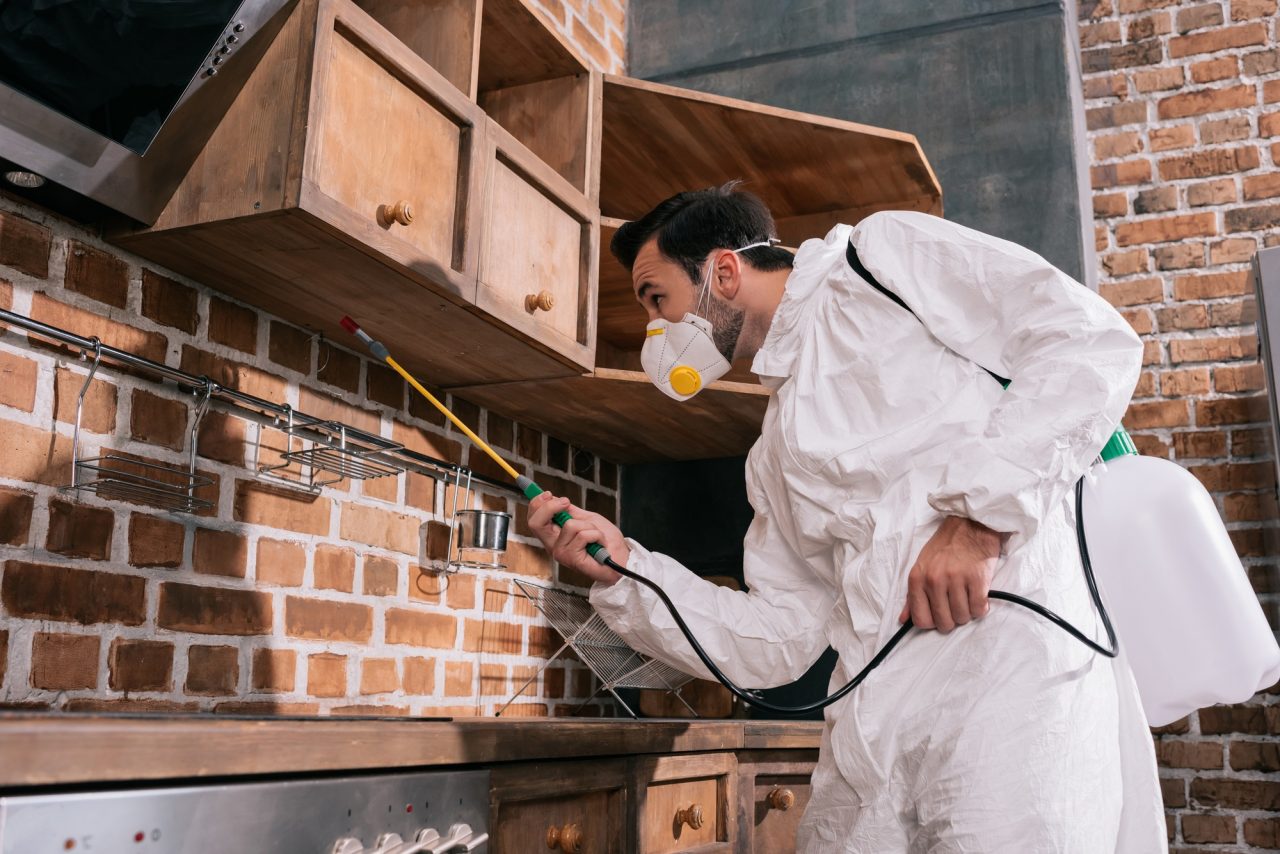
Professional inspection to detect visible and hidden mold growth, ensuring a safe and healthy living environment for your family.
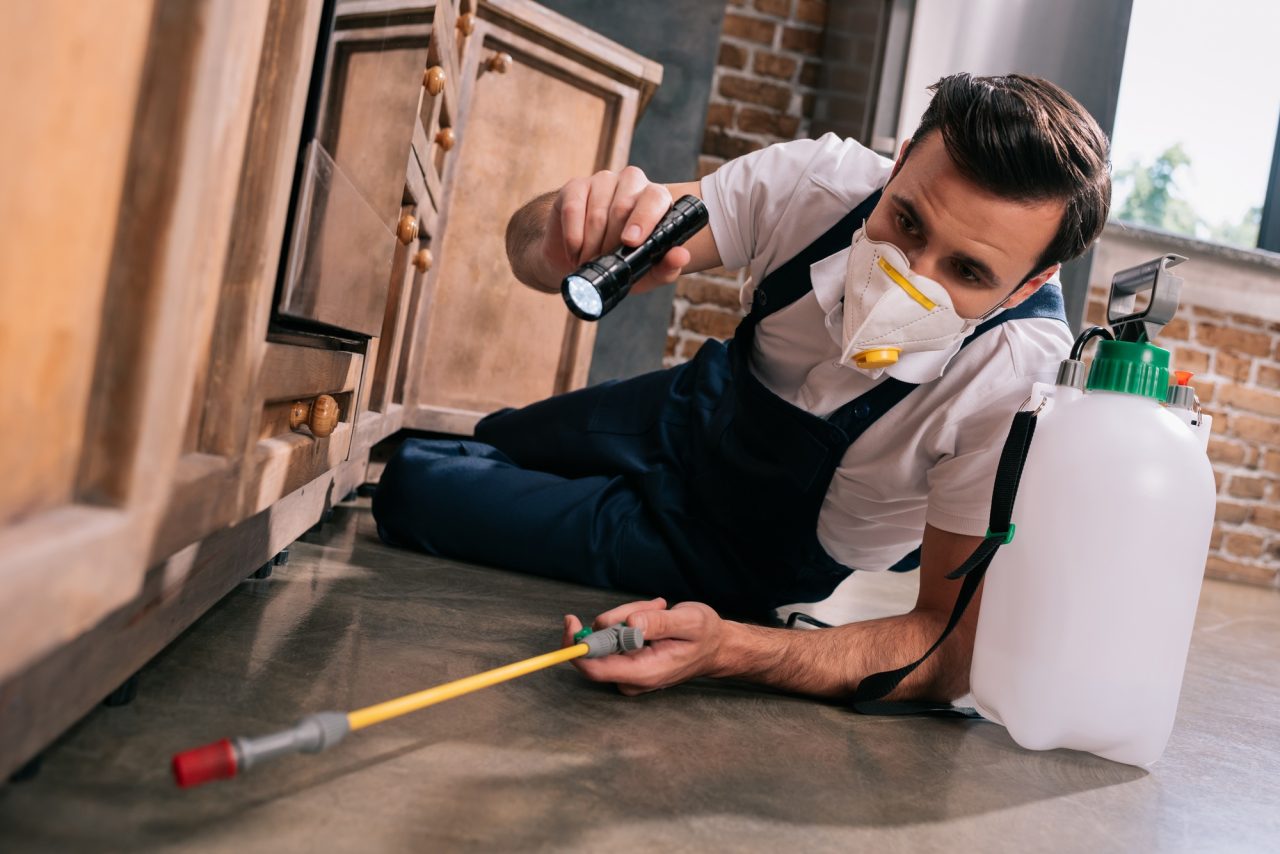
Comprehensive mold removal services for offices, buildings, and industrial spaces designed to maintain clean indoor air quality.
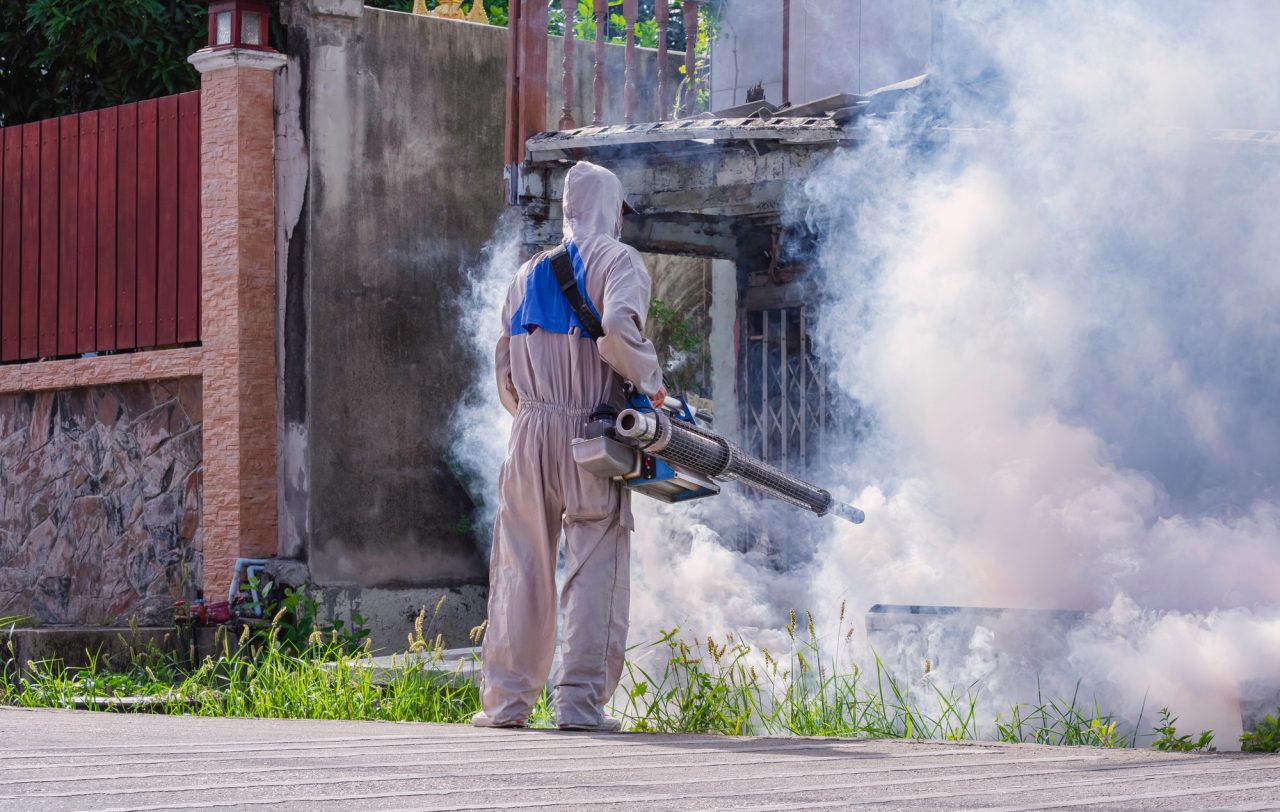
Accurate testing and analysis to identify mold spores and assess the air quality in your home or workplace.
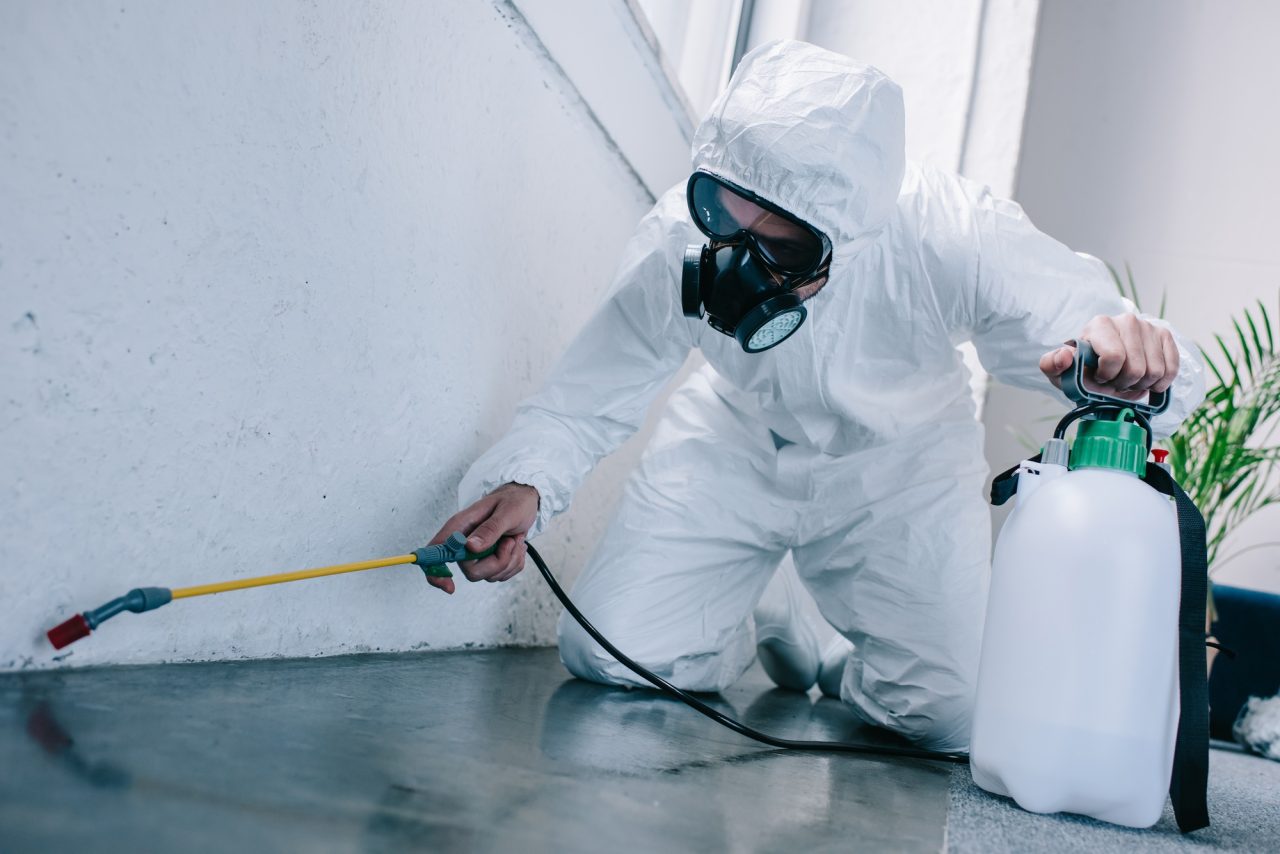
Advanced tools to identify sources of excess moisture and prevent future mold growth.
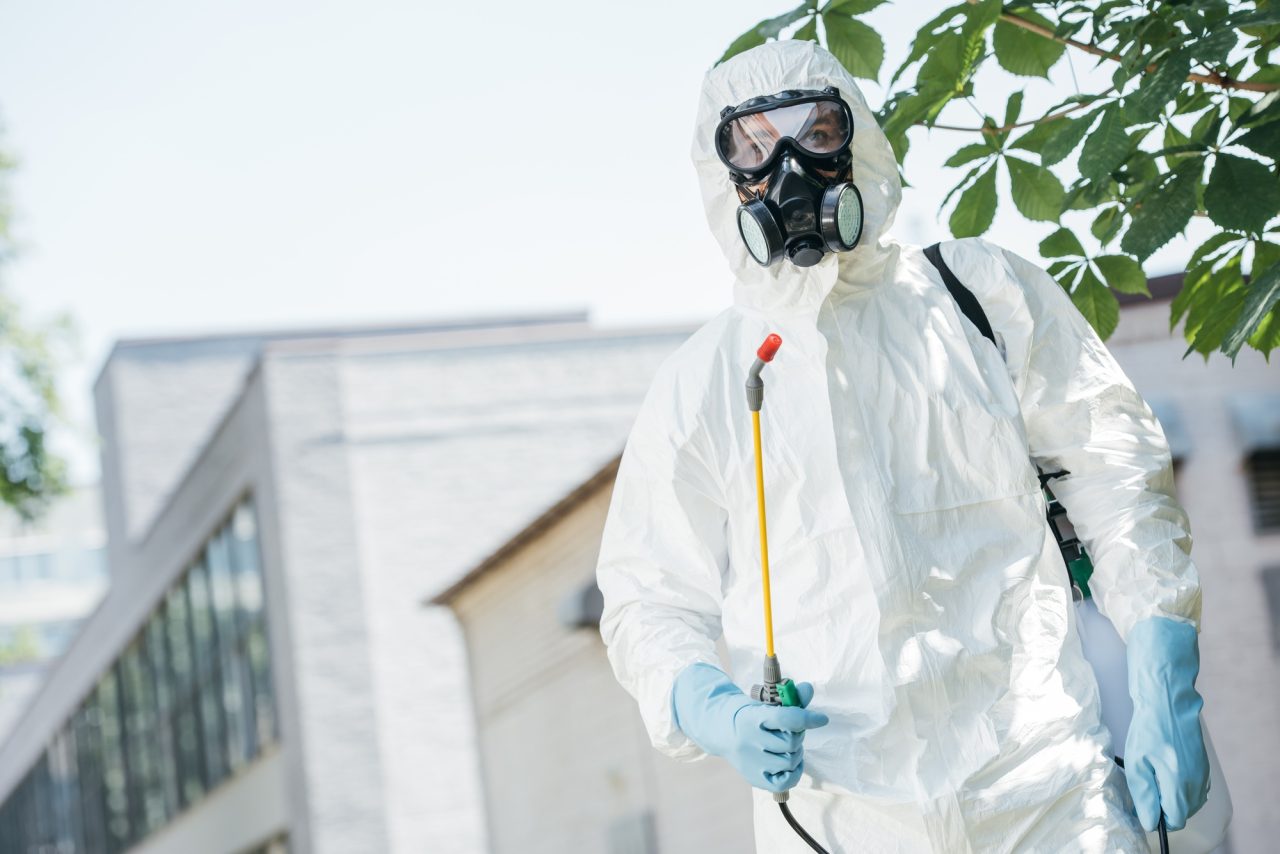
Fast-response remediation services available for urgent mold issues caused by flooding, leaks, or high humidity.
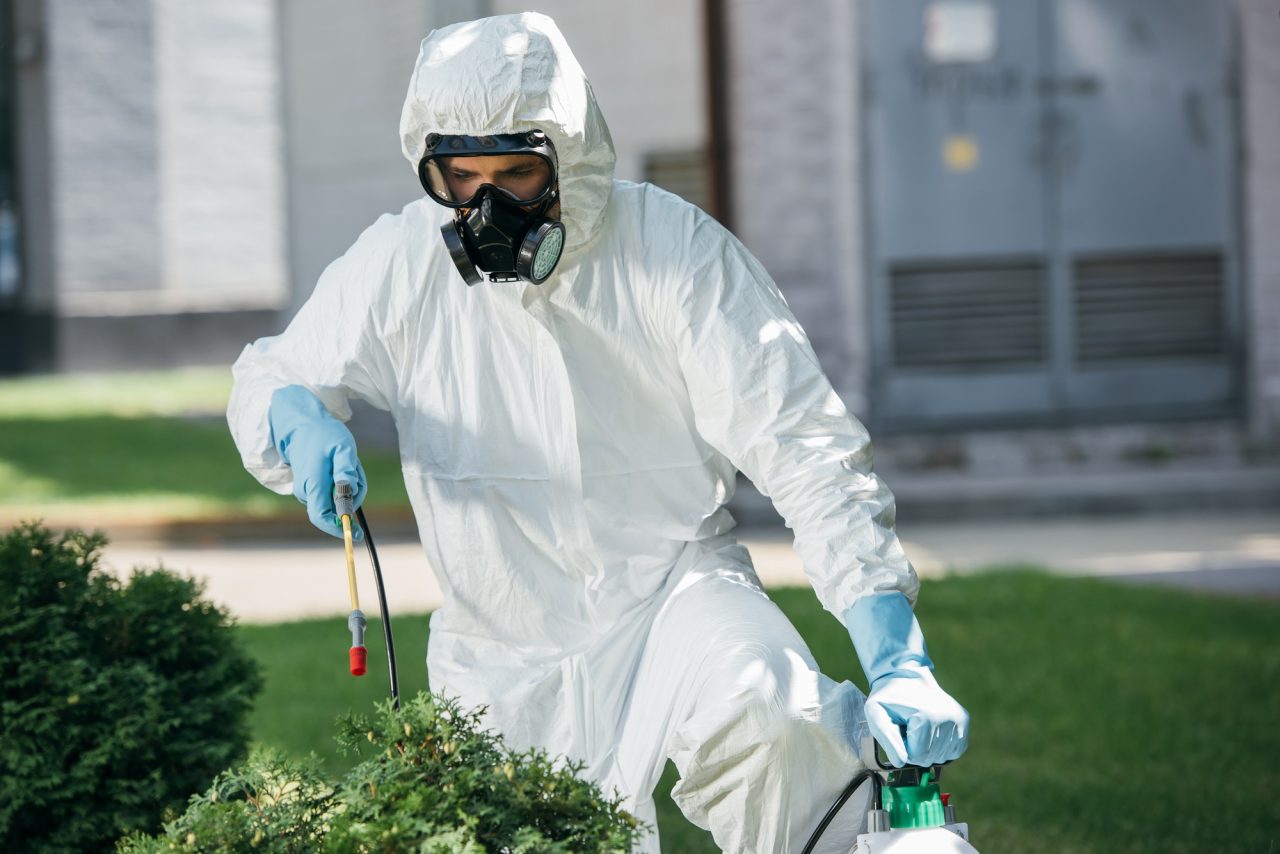
Safe, non-toxic products and sustainable cleaning methods that protect both your health and the environment.
Areas Served
Need More Help?
Our team is ready to provide expert mold removal assistance.
Get personalized guidance from our certified mold specialists to assess your situation and recommend the right service.
Need immediate mold inspection or removal? Submit a service request and our team will respond promptly.
For ongoing remediation projects or post-service maintenance, our support team is here to help.
Read our latest guides and articles on mold prevention, indoor air safety, and home maintenance.
Trusted by 25,000+ world-class brands and organizations of all sizes