
Welcome to EverClean Mold Removal
Mold Remediation Orlando
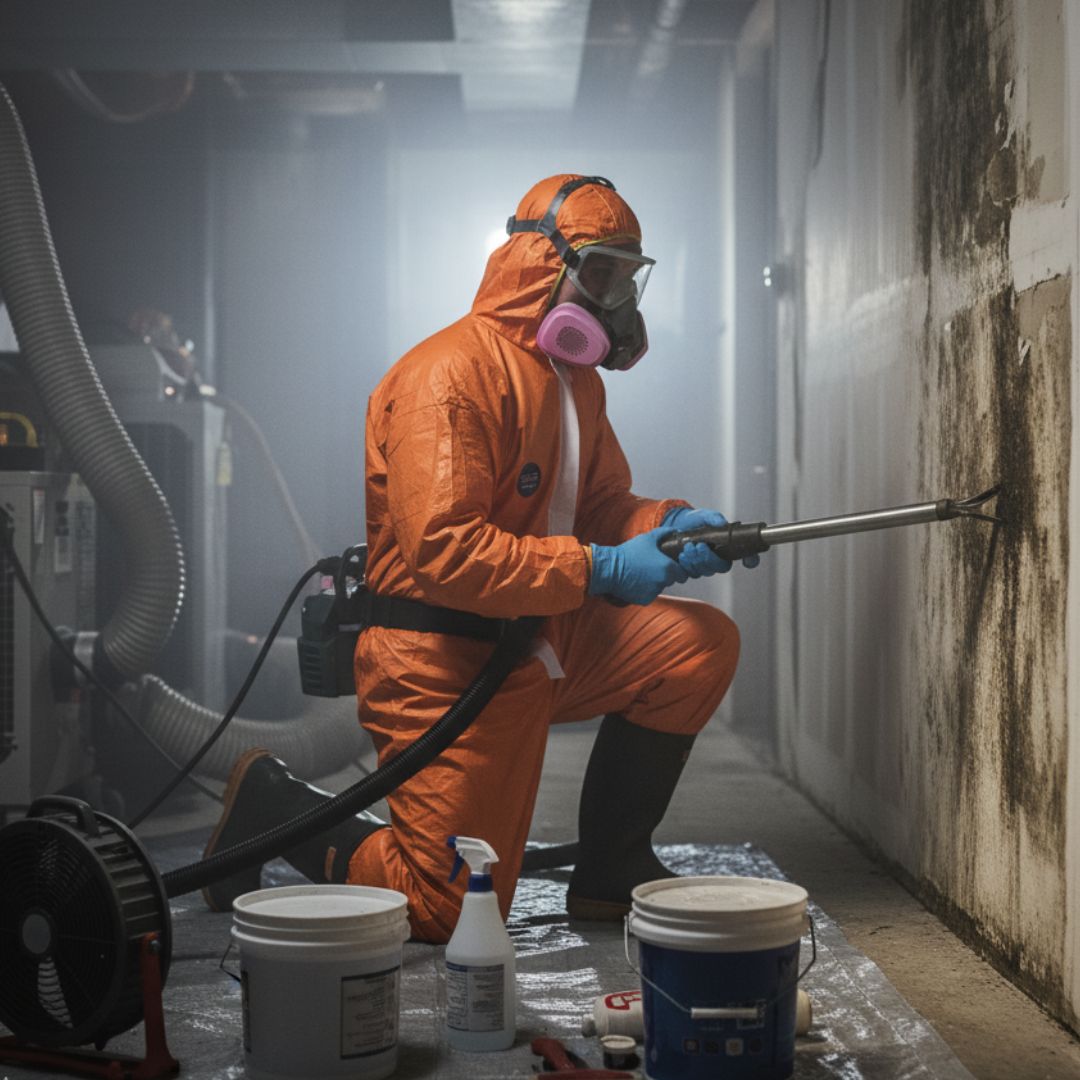
15+
Who we are
Get to Know the Experts Behind EverClean Mold Removal.
Dedicated to restoring healthy, mold-free spaces for over 15 years.
Mold Remediation Professionals Orlando FL - Understanding the Key Differences
Mold is a common issue in many residential and commercial buildings, and combating it often requires either mold removal or mold remediation. While these terms are sometimes used interchangeably, they refer to distinct processes. Understanding the differences between mold removal and mold remediation is crucial for addressing mold problems effectively.
What Is Mold Removal?
Mold removal refers to the process of physically eliminating visible mold from surfaces. This typically involves:
– Cleaning affected areas with specialized solutions.
– Using tools such as brushes, scrapers, or cloths to remove visible mold growth.
– Disposing of infested materials that cannot be salvaged (i.e., drywall, carpets).
It’s important to note that while mold removal can make a space appear clean, it may not address the root cause of the problem or ensure that all spores are eliminated.
What Is Mold Remediation?
- Identifying the extent of contamination using professional tools like moisture meters or infrared cameras.
- Testing air quality for elevated levels of spores if necessary.
- Establishing barriers (e.g., plastic sheeting) to isolate contaminated areas and prevent cross-contamination within the property.
- Using HEPA filters to capture airborne spores and reduce their spread during remediation activities.
- Safely disposing of items too damaged by mold growth to be restored.
- Treating affected areas with antifungal agents or other cleaning solutions to eliminate remaining spores.
- Repairing or replacing damaged materials such as drywall, flooring, or insulation as necessary.
Key Differences Between Mold Removal and Mold Remediation
| Aspect | Mold Removal | Mold Remediation |
| Focus | Removing visible mold | Addressing root causes & sources |
| Scope | Surface-level cleaning | Comprehensive treatment |
| Effectiveness | May leave spores behind | Reduces spore levels to safe limits |
| Preventive Action | Rarely includes prevention | Incorporates prevention strategies |
When Should You Opt for Each Approach?
- Opt for mold removal if:
- The affected area is small (less than 10 square feet).
- There are no signs of recurring moisture problems.
- DIY methods are feasible with proper safety precautions (e.g., gloves, masks).
- Choose mold remediation if:
- The infestation is extensive or affects multiple rooms.
- There’s evidence of ongoing water damage or poor ventilation.
- Health issues related to mold exposure have been reported in occupants (e.g., allergies, respiratory problems).
Understanding when each process is appropriate will help you manage a mold issue efficiently while minimizing health risks and structural damage in your home or workplace.
Mold Remediation Orlando: Should You Handle It Yourself or Hire Professionals?
Mold remediation is a serious process that involves addressing the root cause of mold growth, removing the mold safely, and preventing its recurrence. While some homeowners may feel confident tackling this problem on their own, it’s essential to evaluate whether professional help is necessary in your specific situation. Below, we’ll examine the factors to consider when deciding between DIY mold remediation and hiring a professional service.
Factors to Consider for DIY Mold Remediation
- Protective gear (gloves, goggles, N95 mask)
- Mold-killing solutions (e.g., hydrogen peroxide or commercial mold cleaners)
- Scrubbing brushes and disposable rags
- Plastic sheeting to isolate affected areas
- HEPA vacuum cleaner
- Identify and fix moisture sources contributing to mold growth (e.g., leaks in pipes or roofing).
- Isolate the work area using plastic sheeting to prevent spores from spreading.
- Remove porous materials like drywall or carpeting if they are heavily contaminated.
- Scrub hard surfaces with a cleaning solution designed specifically for mold removal.
- Dry all surfaces completely after cleaning to prevent future growth.
While these steps can be manageable for minor cases, attempting remediation without proper training can sometimes lead to incomplete removal or unintentional spore spread.
When Should You Call Professionals?
Professional mold remediation services are often necessary for larger infestations (over 10 square feet), toxic black mold cases, or situations where hidden mold may exist behind walls, under flooring, or within HVAC systems.
- Reasons to Hire Experts:
- Health Risks: Mold exposure can aggravate respiratory issues like asthma or allergies. Professionals use advanced protective equipment that minimizes health risks during cleanup.
- Advanced Tools: Mold remediation companies use specialized tools like air scrubbers and industrial dehumidifiers to ensure thorough removal.
- Comprehensive Testing: Experts conduct air quality tests and moisture mapping to locate hidden sources of contamination.
- Long-Term Prevention: Professional teams address underlying causes such as poor ventilation and excess humidity more effectively than most DIY methods.
Cost Comparison Table
| Option | Estimated Cost | Best For |
| DIY Mold Remediation | $50–$150 | Small patches of surface-level mold |
| Professional Services | $500–$6,000+ | Large infestations or toxic black mold cases |
Weighing the Risks
Attempting DIY remediation when the situation requires professional expertise can lead to long-term structural damage and potential health hazards due to incomplete cleanup. Mold spores that spread during improper treatment may worsen indoor air quality over time.
If you’re unsure about the severity of your situation or lack access to proper tools/resources for safe removal, consulting with a professional is always advisable. By evaluating your particular circumstances carefully and weighing potential risks against costs, you’ll be better equipped to make an informed decision about how best to address your mold problem effectively.
Expert Tips for Effective Mold Removal Orlando Residents Can Rely On
When it comes to addressing mold issues in your home, one of the first decisions you’ll face is whether to handle the process yourself or hire professionals. This decision can depend on several factors, including the severity of the infestation, your knowledge of mold removal techniques, and the potential health risks involved. Let’s explore both options to help you make an informed choice.
Comprehensive Guide to Mold Inspection Orlando Services
Before deciding on a course of action, evaluate how extensive the mold problem is. Here are some general guidelines:
– Small Areas (Less than 10 square feet): Minor mold outbreaks, such as those found around windowsills or in isolated bathroom corners, can often be managed with DIY methods.
– Moderate Areas (10-30 square feet): For areas slightly larger but still manageable, you may need specialized tools and cleaning agents. However, if you’re unsure about tackling it yourself, consulting a professional is advisable.
– Extensive Areas (Greater than 30 square feet): Large-scale infestations require professional intervention due to potential structural damage and health risks.
Pros:
- Cost Savings: Addressing minor mold problems yourself can save you money on professional services.
- Quick Response: Immediate action using household supplies like vinegar or hydrogen peroxide can prevent further spread while you decide on next steps.
- Control Over the Process: A DIY approach allows you to manage every aspect of cleanup based on your comfort level and pace.
Cons:
- Limited Expertise: Lack of training may lead to incomplete removal, allowing mold spores to linger and spread again.
- Health Risks: Handling mold without proper protective equipment or knowledge could expose you to harmful spores that may trigger allergies or respiratory issues.
- Ineffective Tools: Household items may not be sufficient for deep-cleaning stubborn infestations on porous surfaces like drywall or wood.
Expert Mold Remediation Orlando FL: When to Call Professionals
- Widespread Mold Growth: If multiple rooms are affected, professionals have specialized equipment to locate hidden colonies behind walls or under floors.
- Health Concerns: Individuals with allergies, asthma, compromised immune systems, or other respiratory conditions should avoid exposure during remediation efforts.
- Water Damage Involvement: Mold caused by flooding or leaks often indicates underlying water damage that must be addressed alongside remediation.
- Unknown Causes of Mold Growth: Professionals can identify root causes—such as poor ventilation—and provide solutions beyond surface-level remediation.
Key Differences Between DIY and Professional Orlando Mold Remediation
| Aspect | DIY Mold Remediation | Professional Mold Remediation |
| Cost | Low (cleaning supplies) | High (equipment & expertise fees) |
| Effectiveness | Varies based on knowledge & tools | Guaranteed with advanced techniques |
| Health Safety | Risky without proper precautions | Trained experts ensure safety |
| Hidden Problem Detection | Limited | Comprehensive inspections |
Important Final Considerations for Mold Remediation Orlando FL
Choosing between a DIY approach and hiring professionals ultimately depends on your specific situation. While small outbreaks can often be handled independently with appropriate care and diligence, larger infestations require expert attention for thorough remediation and future prevention measures—ensuring both your safety and that of your home remain uncompromised over time.
If in doubt about handling mold yourself—or if you’re concerned about safety—it’s always better to seek professional assistance for peace of mind and lasting results.
Effective Mold Removal Orlando FL: Tackling Common Bathroom Problem Areas
Bathrooms are among the most common areas in a home where mold growth occurs due to their humid and damp conditions. Identifying these problem areas and addressing them promptly is crucial for maintaining a healthy living environment. Below, we explore specific bathroom areas prone to mold growth and provide actionable strategies for mitigating the issue.
1. Shower Walls and Grout
Why It’s Prone:
Shower walls, especially tiled surfaces with grout lines, are highly susceptible to mold because they are frequently exposed to moisture. Grout is porous, allowing water to seep in, which creates an ideal environment for mold.
How to Address It:
– Use a squeegee after every shower session to remove excess water from walls.
– Clean grout lines regularly with a mixture of baking soda and water or a commercial grout cleaner.
– Seal grout lines annually using a waterproof sealant to prevent moisture absorption.
2. Underneath the Sink
Why It’s Prone:
The cabinet under the sink is another hotspot for mold growth due to potential leaks from plumbing fixtures or condensation on pipes.
How to Address It:
– Inspect for leaks regularly and repair them as soon as possible.
– Line the cabinet base with waterproof material to protect it from damage caused by small spills or leaks.
– Keep this area dry by storing only essential items inside, allowing air circulation around the pipes.
3. Bathroom Ceiling
Why It’s Prone:
Poor ventilation can trap steam in bathrooms, leading to condensation on ceilings that encourages mold formation over time.
How to Address It:
– Install or upgrade your bathroom exhaust fan and use it during showers as well as 15–20 minutes afterward. – Paint ceilings with mold-resistant paint specifically designed for high-moisture environments. – Wipe down any visible condensation on ceilings after showering.
4. Around Bathtubs and Fixtures
Why It’s Prone:
Water often splashes outside bathtubs or around fixtures, creating damp conditions that promote mold growth.
How to Address It:
– Ensure caulking around bathtubs is intact; replace cracked or deteriorating caulk immediately. – Wipe off excess water after using the tub or sinks. – Consider using bath mats that dry quickly instead of thick rugs that retain moisture.
5. Behind Toilets
Why It’s Prone:
The space behind toilets often remains unnoticed during cleaning routines but is prone to condensation on pipes and floor surfaces caused by fluctuating temperatures in the tank.
How to Address It:
– Regularly clean behind toilets using an anti-microbial solution. – Check for leaks around toilet seals or connections. – Improve air circulation in your bathroom by keeping doors slightly open when not in use.
Expert Advice from a Mold Specialist Orlando for Long-Term Bathroom Mold Prevention
- Clean all surfaces weekly with anti-mold cleaning products or natural solutions like vinegar diluted with water (avoid mixing vinegar with bleach).
- Use dehumidifiers if necessary, particularly in bathrooms without windows.
- Keep windows open when possible after bathing/showering if ventilation fans are unavailable.
- Look out for drips or leaks under sinks, around bathtubs, toilets, and other plumbing systems.
- Opt for materials such as nonporous tiles or vinyl flooring instead of carpets or wallpaper susceptible to mold infestations.
By systematically addressing these problem areas combined with proactive measures like proper ventilation and frequent cleaning routines, you can effectively reduce the risk of bathroom mold growth while ensuring a healthier indoor environment overall.
Can Mold Return After Professional Mold Remediation and How to Prevent It?
Professional mold remediation is highly effective in addressing mold issues, but it does not guarantee that mold will never return. Mold is a natural part of the environment, and under the right conditions, spores can thrive again. Understanding why mold might return and how to prevent it is essential for maintaining a safe and healthy indoor environment.
Reasons Mold May Return After Remediation
- The most common cause for recurring mold is persistent moisture problems. Leaks from pipes, roofs, or poorly sealed windows can create a damp environment conducive to mold growth.
- Indoor humidity above 60% provides ideal conditions for mold spores to grow and spread.
- If all affected materials or contaminated areas were not thoroughly treated or removed during remediation, residual spores can lead to a recurrence.
- Poor air circulation in areas like basements, bathrooms, or attics can trap humidity and encourage mold regrowth.
- Mold spores trapped in air ducts can circulate throughout your home, leading to recontamination even after remediation.
Steps to Prevent Mold from Returning
- Control Humidity Levels: Use dehumidifiers in high-humidity areas such as basements or bathrooms. Aim for an indoor humidity level between 30%–50%.
- Fix Water Leaks Promptly:
Address plumbing leaks, roof leaks, or foundation cracks immediately before they allow water accumulation. - Ensure Proper Ventilation:
Install exhaust fans in kitchens and bathrooms to reduce moisture buildup from cooking or showering. Keep windows open whenever possible for improved airflow. - Clean Air Ducts:
Have your HVAC system inspected regularly by professionals who specialize in duct cleaning to prevent mold spore circulation. - Install Mold-Resistant Materials:
When renovating your home, consider using materials like mold-resistant drywall or paint in high-risk areas such as kitchens and bathrooms.
Maintenance Checklist
| Task | Frequency | Why It’s Important |
| Check for water leaks | Monthly | Prevents undetected moisture buildup |
| Clean gutters | Twice yearly | Avoids water pooling near foundations |
| Inspect HVAC components | Every 6 months | Reduces risk of airborne spore spread |
| Test indoor humidity levels | Quarterly | Ensures levels remain in safe range |
| Deep clean prone areas | Monthly | Removes hidden dirt that traps moisture |
When to Contact Professionals Again
If you notice persistent musty odors, discoloration on walls or ceilings, or worsening health symptoms such as allergies after a professional remediation process has been completed, it may be time to call experts again. They will reassess the situation and determine if any factors were overlooked during the initial treatment.
By following these preventive steps consistently and addressing underlying causes promptly, you can significantly reduce the chances of facing recurring mold problems after professional remediation services have been performed effectively.
Our value
Your Trusted Partner for Professional Mold Removal & Remediation Solutions
We are committed to helping homeowners and businesses create safe, healthy, and mold-free environments. Our certified experts provide thorough inspections, advanced remediation, and long-term prevention to ensure lasting protection for your property.
To be the leading mold remediation company known for restoring safe indoor environments and improving the health and well-being of every client we serve.
To provide reliable, eco-friendly, and efficient mold removal services using advanced technology and industry best practices — ensuring your home remains clean, dry, and free from harmful mold.
What we offer
Customized Pest Control Plans for Homes and Businesses.
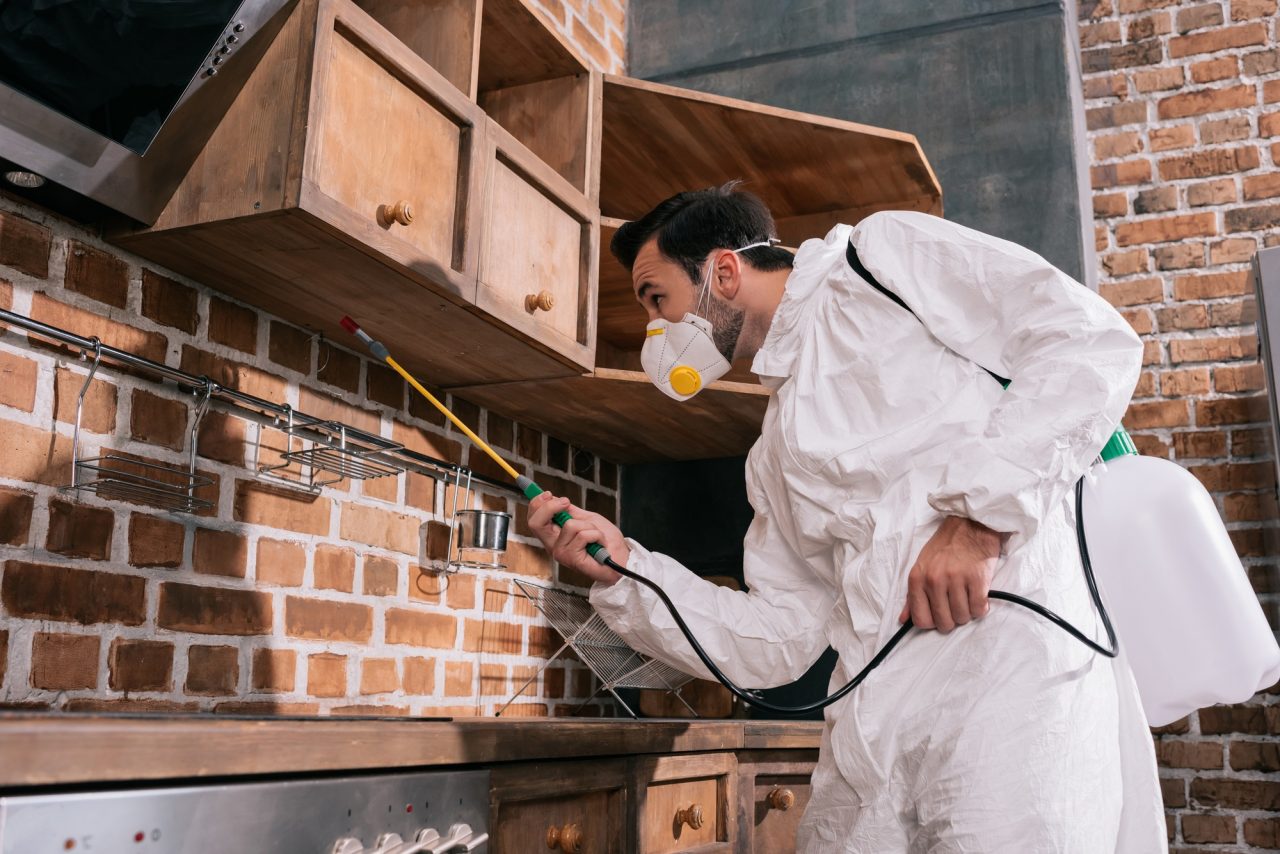
Professional inspection to detect visible and hidden mold growth, ensuring a safe and healthy living environment for your family.
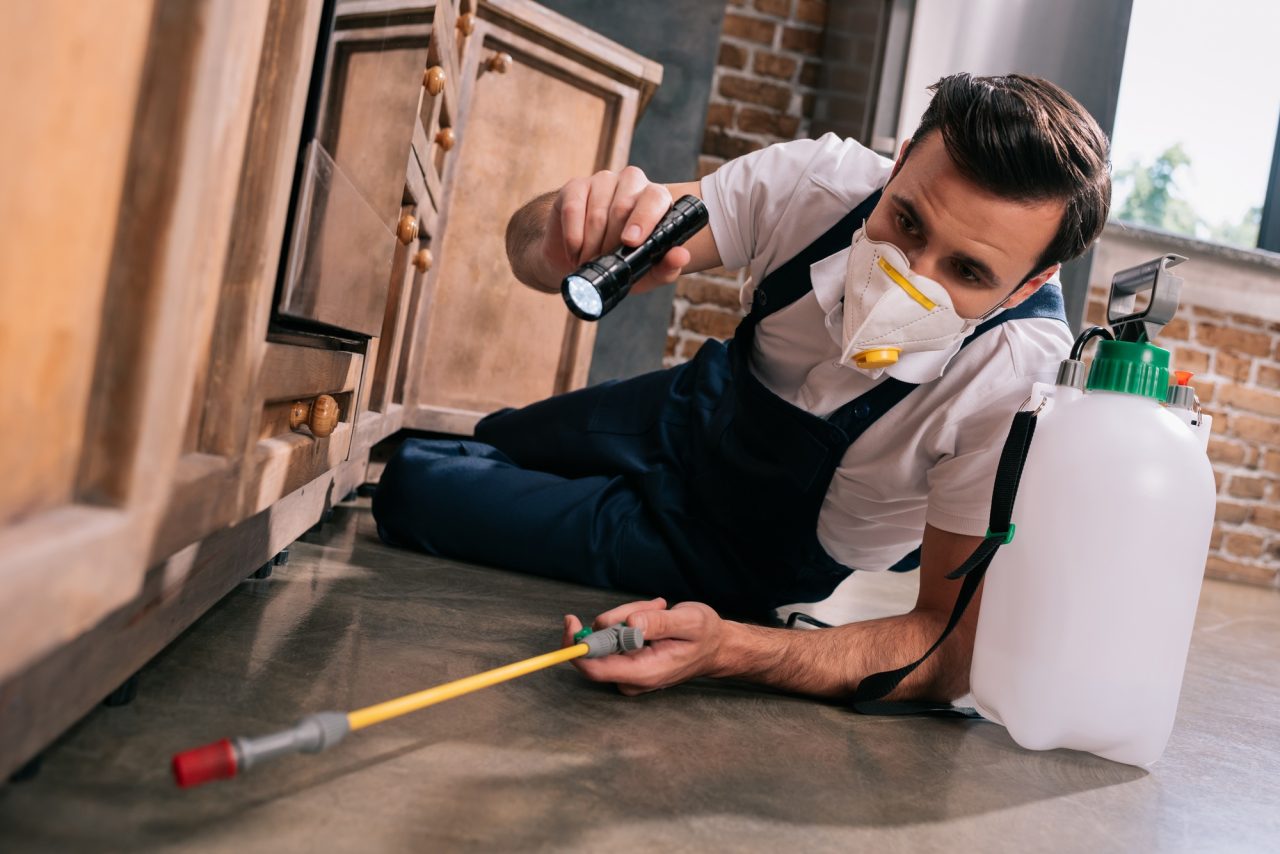
Comprehensive mold removal services for offices, buildings, and industrial spaces designed to maintain clean indoor air quality.

Accurate testing and analysis to identify mold spores and assess the air quality in your home or workplace.
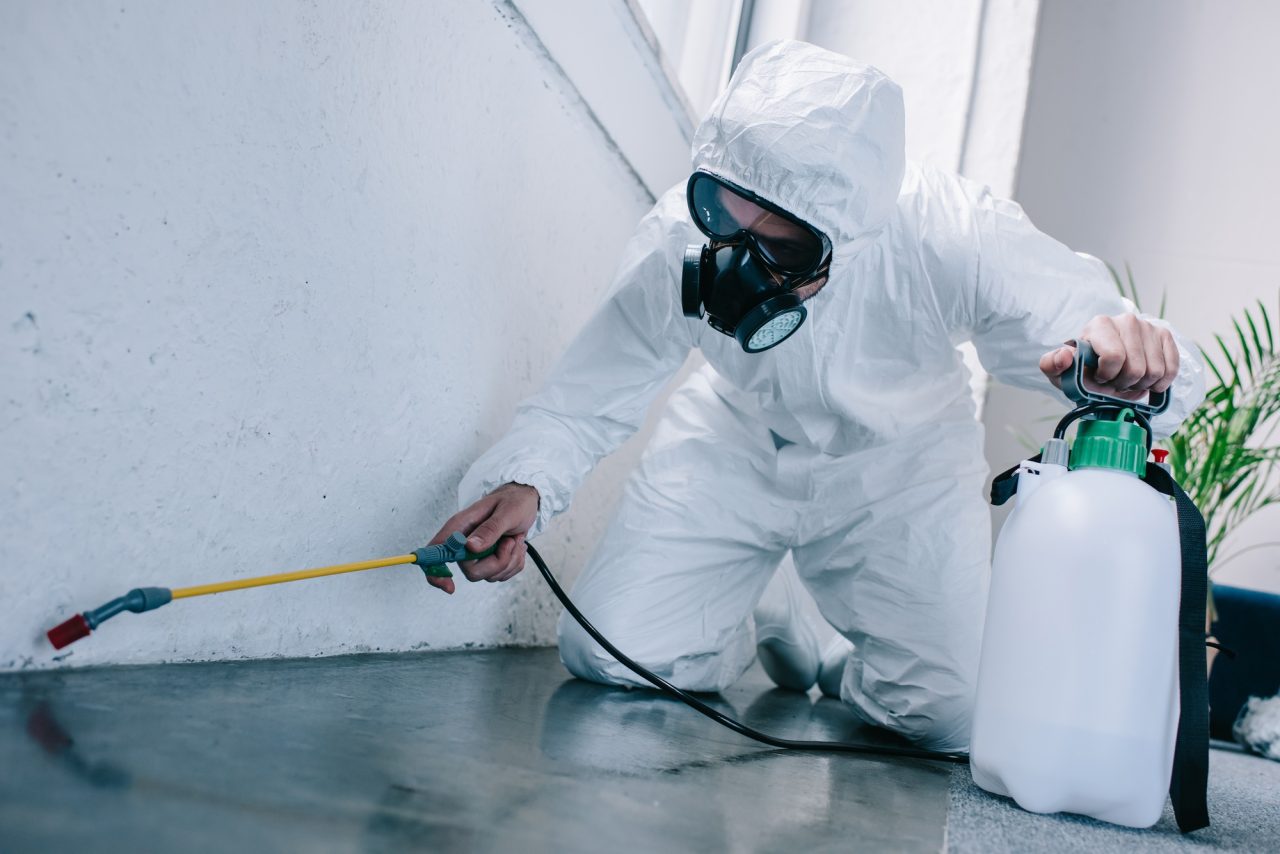
Advanced tools to identify sources of excess moisture and prevent future mold growth.
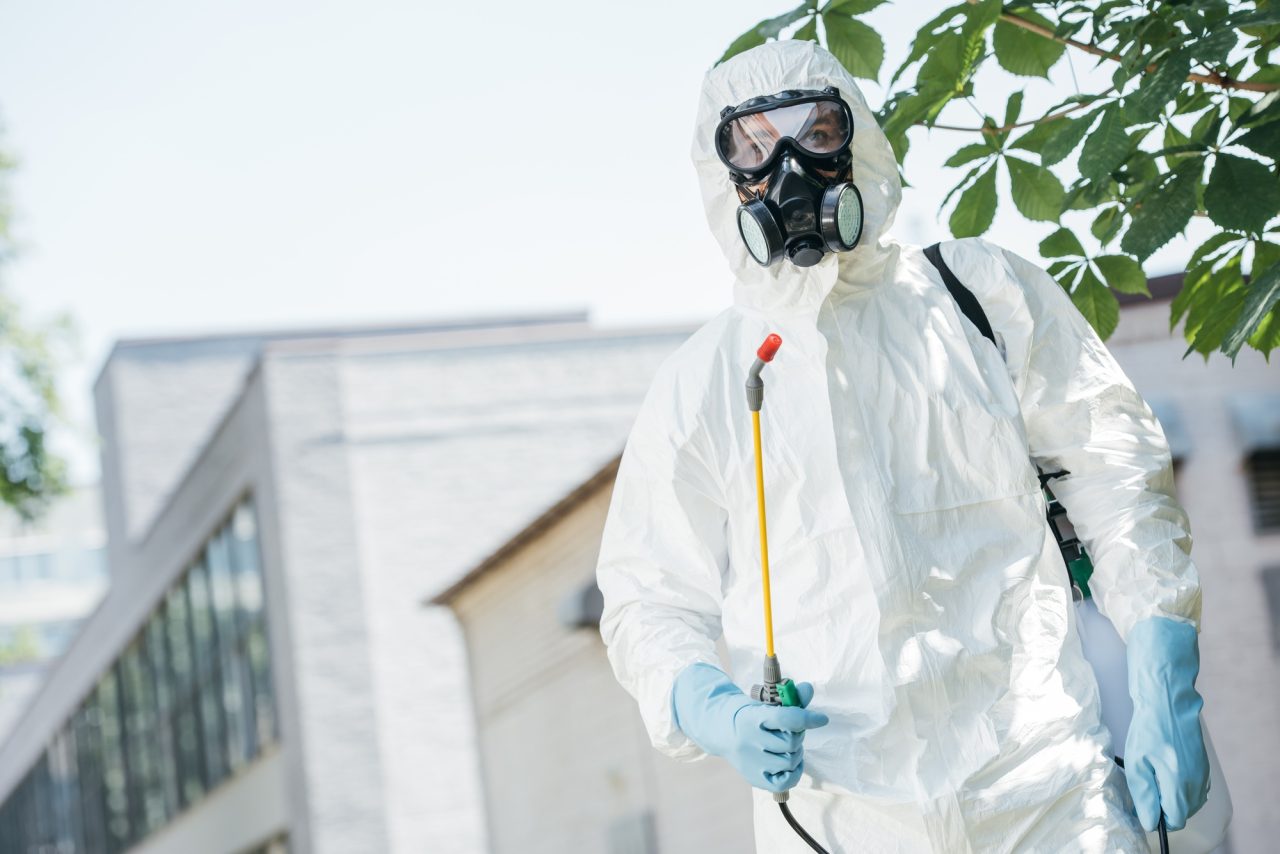
Fast-response remediation services available for urgent mold issues caused by flooding, leaks, or high humidity.
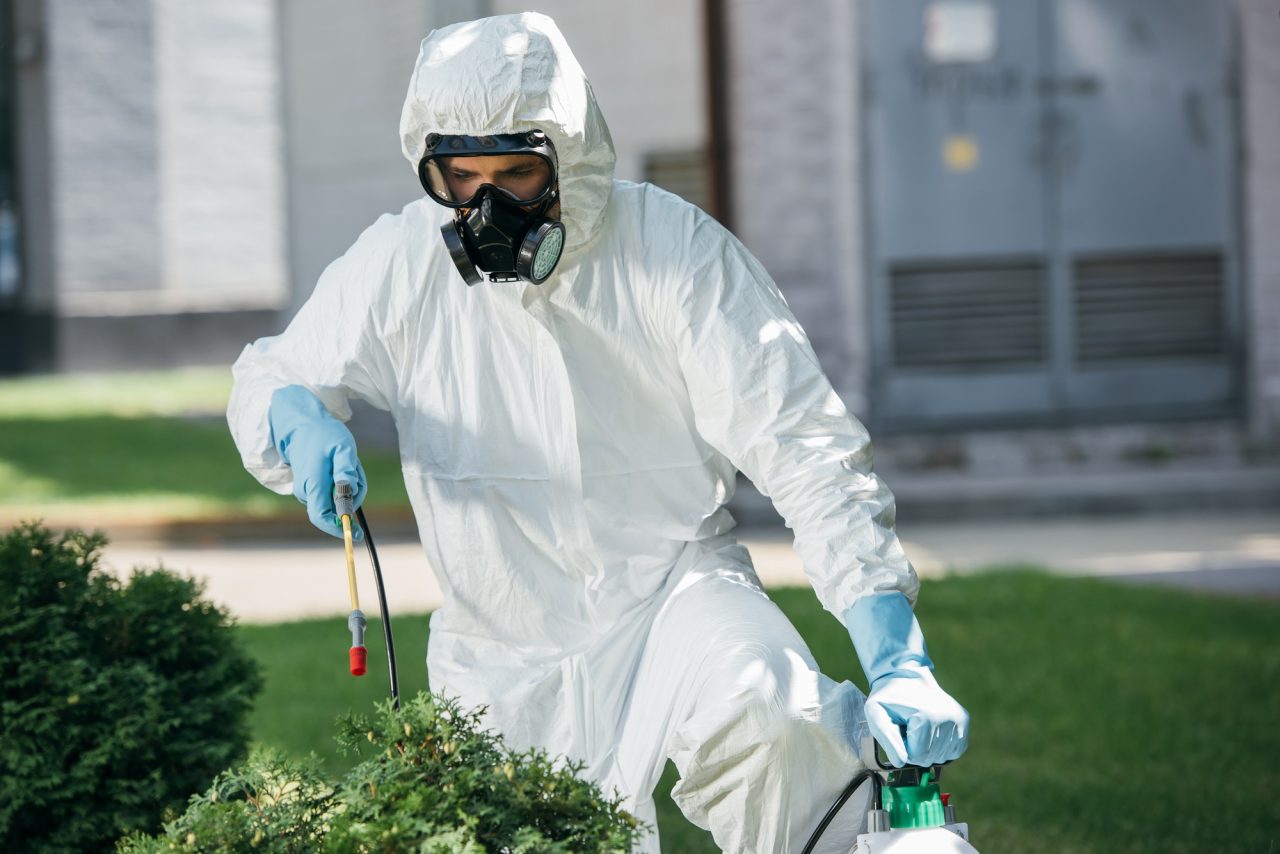
Safe, non-toxic products and sustainable cleaning methods that protect both your health and the environment.
Areas Served
Need More Help?
Our team is ready to provide expert mold removal assistance.
Get personalized guidance from our certified mold specialists to assess your situation and recommend the right service.
Need immediate mold inspection or removal? Submit a service request and our team will respond promptly.
For ongoing remediation projects or post-service maintenance, our support team is here to help.
Read our latest guides and articles on mold prevention, indoor air safety, and home maintenance.
Trusted by 25,000+ world-class brands and organizations of all sizes