
Welcome to EverClean Mold Removal
Mold Remediation Miami Gardens
15+
Who we are
Get to Know the Experts Behind EverClean Mold Removal.
Dedicated to restoring healthy, mold-free spaces for over 15 years.
Comprehensive Guide to Mold Remediation Miami Gardens: Steps Involved in the Process
Mold remediation is a critical process for both residential and commercial property owners dealing with mold infestation. This guide outlines the essential steps involved in professional mold remediation, providing a clear framework for effectively addressing mold-related issues. Each step is designed to ensure the safety of occupants and prevent future mold growth.
Expert Mold Remediation Professionals in Miami Gardens FL
- Identifying visible mold growth on walls, ceilings, or other surfaces.
- Investigating hidden mold using specialized tools such as moisture meters or infrared cameras.
- Testing air quality to detect elevated levels of mold spores.
A professional inspection helps determine the type and severity of the infestation, which will guide the remediation strategy.
Effective Mold Removal Miami Gardens: Containment and Safety Tips
- Physical barriers such as plastic sheeting.
- Negative air pressure systems to contain airborne spores.
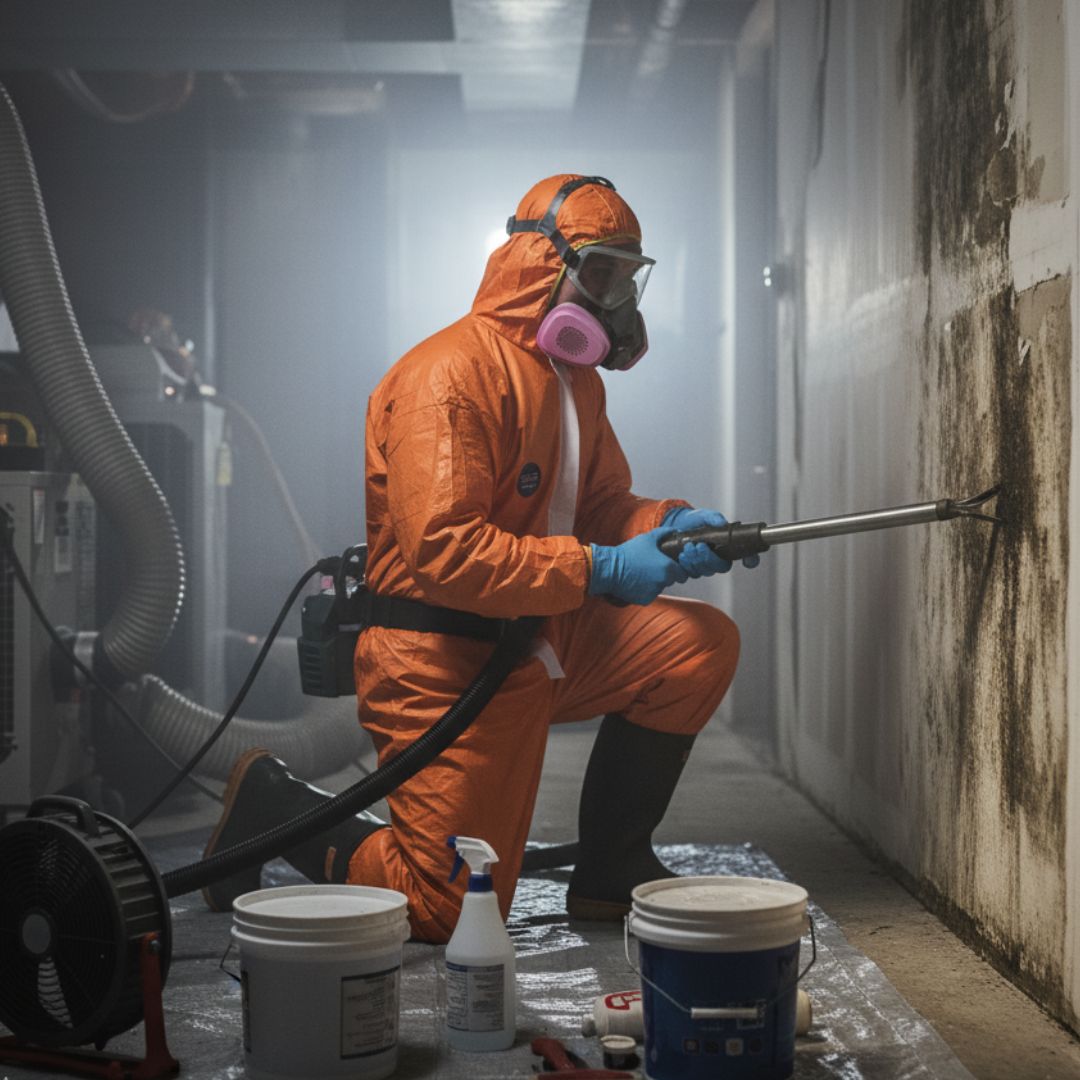
- The use of Personal Protective Equipment (PPE), including gloves, goggles, respirators, and coveralls.
These measures protect both workers and residents from exposure.
Effective Mold Inspection Miami Gardens for Contaminated Material Removal
| Material | Action Taken |
| Drywall | Remove affected sections and dispose properly |
| Carpet | Remove if water-damaged or infested with mold |
| Insulation | Replace if contaminated beyond repair |
Non-porous materials like metal or glass can usually be cleaned and reused after thorough disinfection.
Professional Water Damage Restoration Miami Gardens FL Services
Once contaminated materials are cleared away, cleaning and disinfecting surfaces is essential. Professionals use industry-grade solutions that kill active mold while preventing regrowth.
- Vacuuming areas with HEPA vacuum cleaners to capture microscopic spores.
- Applying antimicrobial treatments to clean surfaces thoroughly.
- Scrubbing non-porous surfaces like tiles or countertops with approved cleansers.
This stage ensures that all existing traces of mold are eliminated effectively.
Effective Mold Remediation Miami Gardens FL: Tackling Moisture Problems
- Fixing leaks in plumbing systems or roofing materials.
- Improving ventilation in high-humidity areas like basements or bathrooms.
- Installing dehumidifiers to maintain indoor humidity levels below 50%.
By controlling moisture levels, you significantly reduce the risk of future infestations.
Comprehensive Miami Gardens mold remediation and clearance testing
Before declaring a property free from mold contamination, professionals typically conduct a final inspection. Air sampling may also be performed at this stage to ensure spore levels are within acceptable limits.
Clearance testing verifies that remediation has been successful and gives property owners peace of mind knowing their environment is safe again.
Professional mold remediation involves meticulous planning, specialized equipment, and expert knowledge to achieve optimal results. By following these structured steps, property owners can restore their spaces while minimizing health risks associated with prolonged exposure to molds.
Effective Mold Remediation Miami Gardens FL: Improve Indoor Air Quality
Maintaining a mold-free environment is crucial for both health and comfort. Mold spores, even in small quantities, can trigger respiratory issues, allergies, and other health concerns. Removing these microscopic particles from the air not only improves indoor air quality but also helps prevent mold growth in the future. Below is a comprehensive guide to eliminating mold spores and ensuring a healthier living space.
Understanding Mold Spores in the Air
Mold spores are tiny airborne particles released by mold colonies into the environment. These spores can float freely through indoor spaces and settle on surfaces where conditions allow them to grow. High humidity, dampness, or poor ventilation can exacerbate the problem by creating ideal conditions for mold proliferation.
Key characteristics of mold spores: – Microscopic in size (2-10 microns in diameter) – Can remain airborne for extended periods – Thrive in warm, humid environments – Capable of spreading rapidly through HVAC systems
Steps to Remove Mold Spores From the Air
- Invest in a high-quality air purifier equipped with HEPA (High-Efficiency Particulate Air) filters.
- HEPA filters are designed to trap particles as small as 0.3 microns, making them effective against most mold spores.
- Place air purifiers strategically in high-risk areas like basements or rooms prone to dampness.
- Open windows and doors where possible to allow fresh air circulation.
- Use exhaust fans in bathrooms and kitchens to reduce moisture buildup.
- Ensure your HVAC system is functioning efficiently with clean filters.
- Keep indoor humidity levels between 30% and 50%.
- Use dehumidifiers in areas prone to moisture, such as basements or laundry rooms.
- Fix any leaks or water damage promptly to prevent excess humidity.
- Dust surfaces frequently using microfiber cloths that trap particles instead of dispersing them.
- Vacuum carpets, rugs, and upholstery using a vacuum cleaner with a HEPA filter.
- Wash curtains, bedding, and other fabrics that might harbor airborne particles.
- Replace HVAC filters every 1-3 months depending on usage levels.
- Opt for filters rated MERV 8 or higher for better particle capture.
Natural Solutions for Indoor Air Quality Improvement
- Houseplants: Certain houseplants like peace lilies or spider plants can improve air quality by absorbing toxins.
- Activated Charcoal: Place bags of activated charcoal around your home; it absorbs odors and some impurities from the air naturally.
- Essential Oils: Diffuse essential oils like tea tree oil or eucalyptus oil known for their natural antifungal properties.
Preventing Mold Spore Accumulation Long-Term
| Best Practices | Benefits |
| Regular home inspections | Early detection of moisture issues |
| Prompt leak repairs | Prevents water accumulation |
| Maintaining proper ventilation | Reduces moisture buildup |
| Cleaning gutters regularly | Avoids stagnant water near foundations |
Preventive measures go hand-in-hand with remediation efforts. By combining effective removal methods with proactive habits, you create an environment less susceptible to harmful molds.
By following these techniques consistently, you not only remove existing contaminants but also promote healthier indoor air quality over time while minimizing risks associated with future infestations of mold spores indoors.
Step-by-Step Process for Mold Removal Miami Gardens FL: Disinfecting and Eliminating Mold from Your Property
Assess the Extent of Mold Growth
Before taking any action, it’s crucial to evaluate the situation:
– Conduct a visual inspection of affected areas, paying attention to damp spots, stains, or discoloration on walls, ceilings, and floors.
– Use a moisture meter or infrared camera to detect hidden moisture sources in drywall or behind furniture.
– Consider professional mold testing if you suspect extensive contamination or harmful mold types such as Stachybotrys chartarum (black mold).
Tip: Mold can grow within 24–48 hours of water exposure. Address leaks and standing water immediately.
Gather Essential Tools and Safety Equipment
Protective Gear:
– N95 respirator masks or higher-grade masks (e.g., P100 for toxic molds)
– Safety goggles without ventilation holes
– Disposable gloves (nitrile or rubber)
– Coveralls or old clothing you can discard later
Cleaning Supplies:
– HEPA vacuum for thoroughly removing spores from surfaces and air ducts
– Plastic sheeting for isolating contaminated areas during cleanup (to prevent spore spread)
– Antimicrobial cleaning agents (EPA-approved disinfectants)
– Soft brushes, scrapers, and microfiber cloths for scrubbing affected surfaces
| Tools Checklist | Purpose | Example Products |
| HEPA Vacuum | Removes airborne spores | Shark Navigator HEPA Vacuum |
| Plastic Sheeting | Isolates removal zones | 6-mil Polyethylene Sheets |
| EPA-approved Cleaners | Kills mold colonies effectively | Concrobium Mold Control |
Contain Affected Areas
To prevent cross-contamination:
1. Seal off doorways, vents, and HVAC openings with plastic sheeting secured by duct tape.
2. Create negative air pressure by using an air scrubber with HEPA filtration. This draws airborne spores out of the room and prevents dispersal into unaffected areas.
Remove Contaminated Materials
Examples include:
– Drywall sections heavily infested with mold
– Carpets that have remained wet for an extended period
– Ceiling tiles with visible black patches
Secure these items in heavy-duty garbage bags before disposal to reduce spore release during transport.
Clean Surfaces Thoroughly
For nonporous surfaces like tile, glass, or metal:
1. Scrub using warm water mixed with detergent or an antimicrobial cleaner. 2. Apply an EPA-approved fungicide to kill residual spores. 3. Rinse thoroughly before drying.
For semi-porous materials (wood beams, concrete):
1. Sand affected areas lightly if discoloration persists post-cleaning. 2. Treat with a sealant designed for anti-mold properties after drying completely.
Dry Everything Completely
Damp conditions encourage new mold growth even after cleaning efforts are complete:
– Use dehumidifiers set between 30–50% humidity levels to extract excess moisture from the environment. – Position industrial fans strategically throughout the space for enhanced airflow.
Pro Tip: Monitor humidity levels over time using a hygrometer to ensure they stay within safe ranges.
Repair Underlying Issues
Key Areas To Check:
1. Plumbing – Inspect supply lines under sinks & behind washing machines regularly. 2. Roofs – Look for missing shingles contributing leaks during rainstorms. 3.Windowsills– Ensure proper caulking seals remain intact long-term
Taking preventive measures here saves costs downstream!
Comprehensive Guide by Mold Specialist Miami Gardens: Disinfecting and Eliminating Mold from Your Property
Dealing with mold effectively requires a structured approach to ensure that it is thoroughly removed and does not return. Below is a step-by-step process to disinfect and eliminate mold from your property in a safe and reliable manner.
1. Assess the Extent of the Mold Problem
- Visual Inspection: Check common areas where mold thrives, such as bathrooms, basements, kitchens, and areas with water damage.
- Use of Moisture Meters: Identify hidden moisture behind walls or under flooring.
- Air Quality Testing: Determine if airborne spores are present using professional-grade tools.
Document your findings to help guide the cleaning process.
2. Contain the Affected Area
Mold spores can easily spread during cleaning, so containment is critical to prevent cross-contamination.
- Seal off contaminated areas using plastic sheeting and tape.
- Shut off HVAC systems to avoid moving spores through air ducts.
- Use negative air pressure machines when working in larger contaminated spaces.
3. Protect Yourself With Proper Safety Gear
- N95 or higher-rated respirator masks
- Disposable gloves
- Safety goggles or glasses
- Coveralls or long-sleeved clothing that can be washed immediately after use
4. Remove Mold-Damaged Materials
| Material | Action Required |
| Drywall | Cut out sections with visible damage |
| Carpets | Dispose of mold-infested carpeting |
| Wood Furniture | Assess if sanding/remediation is possible |
| Insulation | Replace if waterlogged or heavily infested |
Place all discarded materials in sealed plastic bags before disposal.
5. Clean and Disinfect Surfaces
- Use soap and water for initial cleaning.
- Follow up with an EPA-approved antifungal cleaner.
- Clean Porous Surfaces (e.g., wood):
- Apply specialized mold cleaners designed for porous materials.
- Avoid saturating surfaces to minimize further damage.
- Wipe all surfaces down with a clean cloth after application of disinfectants.
6. Completely Dry the Area
- Use dehumidifiers to remove excess moisture from the air.
- Position fans strategically for enhanced airflow.
- Open windows where possible for ventilation (unless outdoor humidity levels are high).
Ensure that affected areas remain dry moving forward.
7. Monitor for Recurrence of Mold
- Regularly inspect common problem areas like basements and bathrooms.
- Install humidity monitors to keep indoor levels below 60%.
By combining these methods with proactive prevention techniques, you can eliminate existing mold issues while reducing future risks of infestations effectively.
Preparing Your Property for Effective Mold Remediation and Prevention of Future Growth
Mold remediation is a critical process that requires careful preparation to ensure its effectiveness. By properly preparing your property, you can not only tackle existing mold issues but also minimize the risk of its recurrence. Below is a detailed guide on how to get your property ready for mold remediation and steps to prevent future growth.
Assessing the Extent of Mold Contamination
Before starting any remediation efforts, it’s important to evaluate the severity of the mold problem. This step involves:
– Identifying mold-prone areas: Inspect damp or moist spaces such as basements, bathrooms, kitchens, and attics.
– Using testing methods: Consider using a professional mold testing kit or hiring experts to assess air quality and pinpoint hidden mold colonies.
– Documenting affected areas: Take notes or photographs of visible mold as part of your inspection process. This documentation will be helpful when planning remediation efforts.
Eliminating Excess Moisture
Mold thrives in environments with high moisture levels. To prepare your property:
1. Repair leaks: Check for plumbing issues or roof leaks and fix them promptly to eliminate water sources feeding the mold.
2. Improve ventilation: Open windows and doors where possible or use fans in spaces prone to humidity buildup. 3. Dehumidify indoor air: Use a dehumidifier to maintain humidity levels below 50%, which helps inhibit mold growth.
Isolating Affected Areas
To prevent the spread of airborne spores during remediation:
– Use plastic sheeting or tarps to seal off contaminated areas from unaffected parts of the property.
– Turn off HVAC systems temporarily during cleaning, as these systems can circulate spores throughout your home or building.
| Task | Tools Needed |
| Seal doors/windows | Plastic sheeting, painter’s tape |
| Block HVAC vents | Foam sheets, duct tape |
Protecting Yourself During Mold Removal
Preparation isn’t limited to just your property; protecting yourself is equally essential:
– Wear personal protective equipment (PPE), including gloves, goggles, an N95 mask, and coveralls if necessary. – Avoid direct contact with mold spores by using disposable cleaning materials like paper towels or sponges.
Cleaning and Decluttering
A clutter-free space makes it easier to access all affected areas:
1. Remove unnecessary items stored in damp locations. 2. Discard porous materials like carpets, ceiling tiles, or drywall that are heavily infested with mold. 3. Vacuum using a HEPA filter vacuum cleaner to capture fine particles and spores from surfaces.
Steps for Preventing Future Mold Growth
Once remediation is complete, take proactive measures against future infestations:
1. Control indoor humidity levels by using dehumidifiers in wet climates. 2. Regularly inspect plumbing systems for leaks or signs of water damage. 3. Install proper drainage around your home’s foundation to direct rainwater away. 4. Use mildew-resistant paint in bathrooms or other high-humidity spaces as an extra layer of protection. 5. Maintain good airflow by keeping furniture away from walls and installing exhaust fans in kitchens and bathrooms.
By thoroughly preparing your property before starting any mold removal processes and implementing preventive strategies afterward, you create an environment less hospitable to future infestations while improving overall indoor air quality over time.
Our value
Your Trusted Partner for Professional Mold Removal & Remediation Solutions
We are committed to helping homeowners and businesses create safe, healthy, and mold-free environments. Our certified experts provide thorough inspections, advanced remediation, and long-term prevention to ensure lasting protection for your property.
To be the leading mold remediation company known for restoring safe indoor environments and improving the health and well-being of every client we serve.
To provide reliable, eco-friendly, and efficient mold removal services using advanced technology and industry best practices — ensuring your home remains clean, dry, and free from harmful mold.
What we offer
Customized Pest Control Plans for Homes and Businesses.
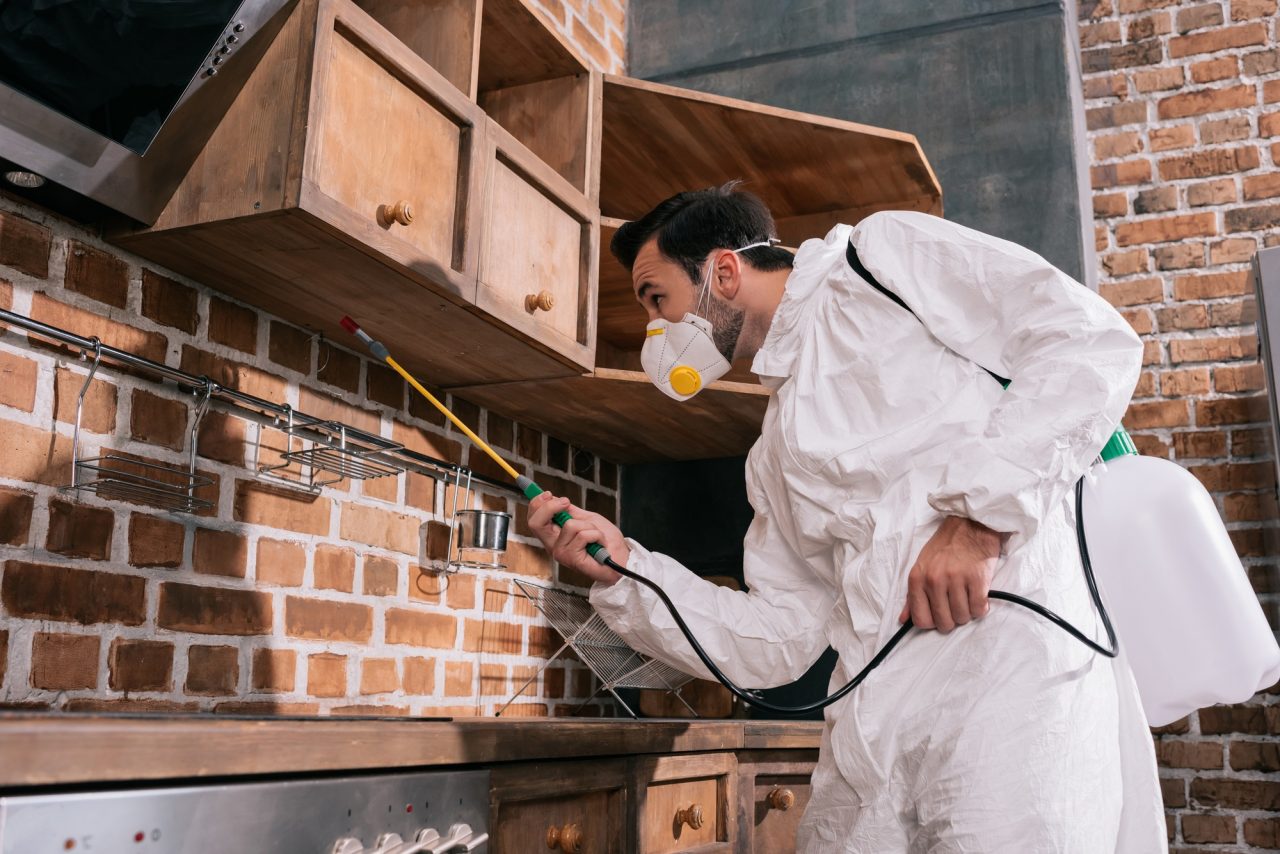
Professional inspection to detect visible and hidden mold growth, ensuring a safe and healthy living environment for your family.
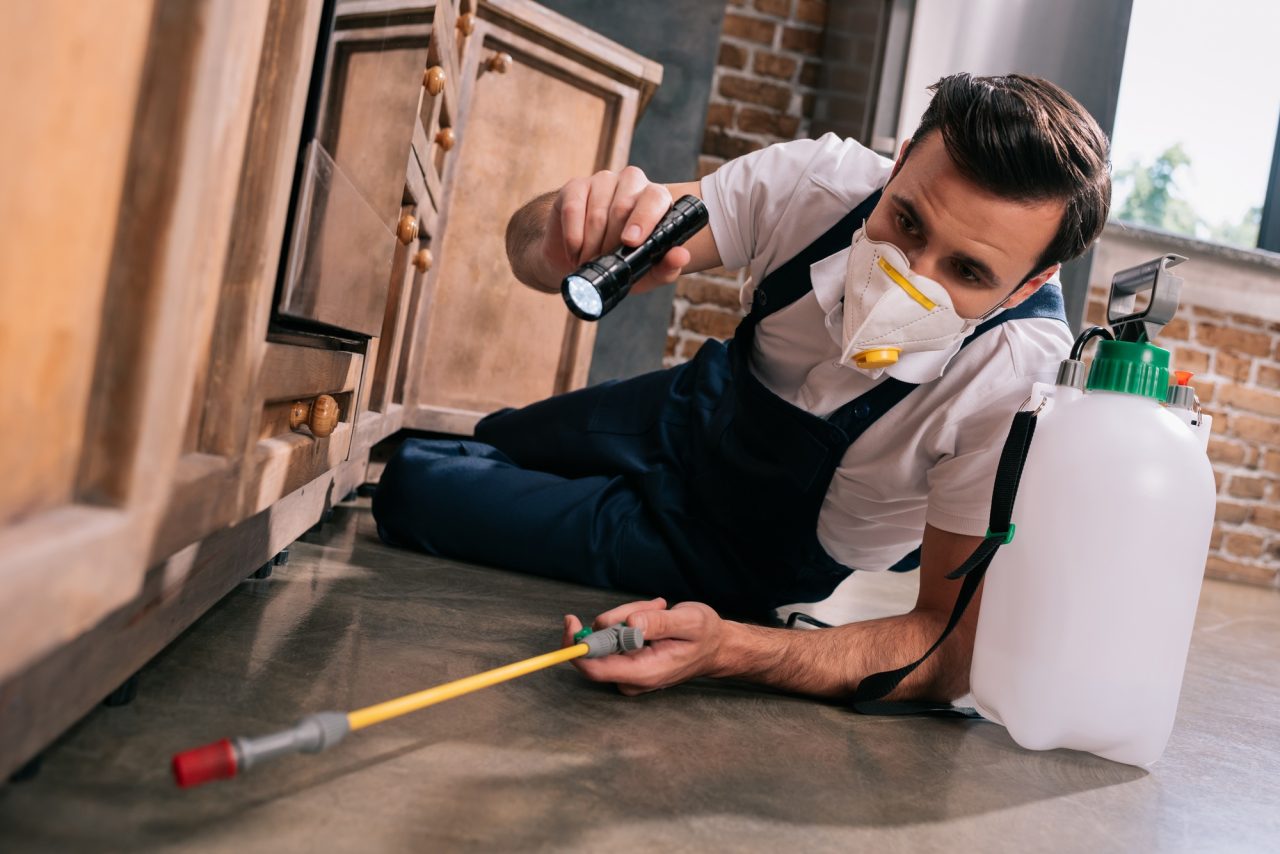
Comprehensive mold removal services for offices, buildings, and industrial spaces designed to maintain clean indoor air quality.
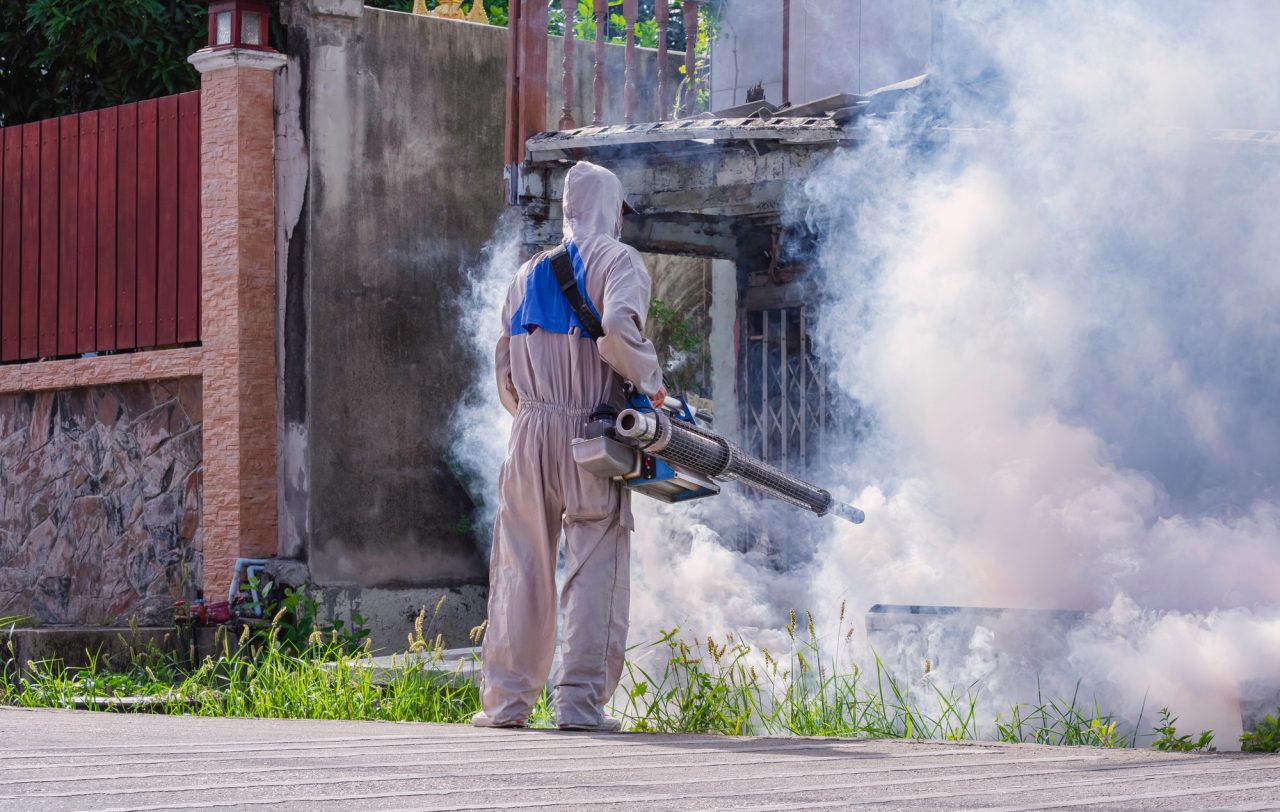
Accurate testing and analysis to identify mold spores and assess the air quality in your home or workplace.
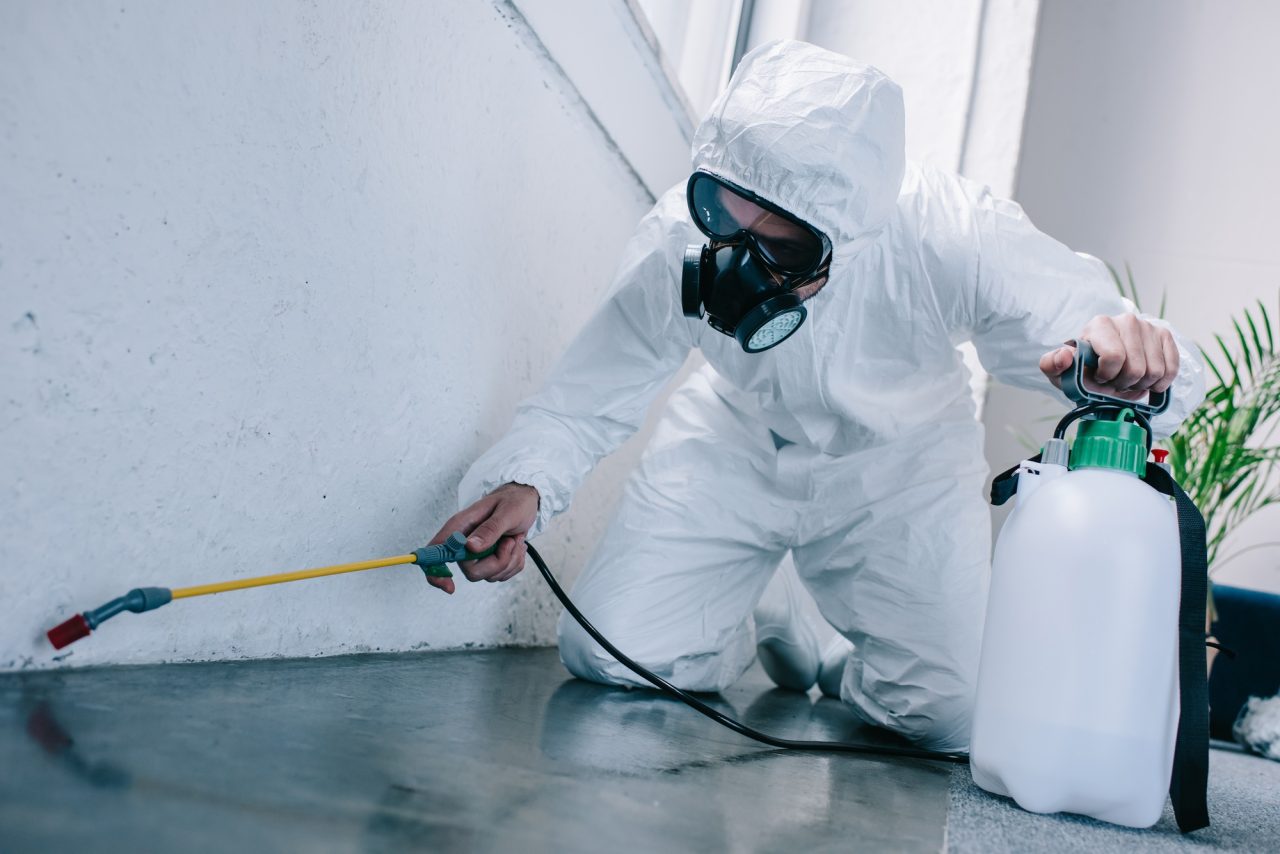
Advanced tools to identify sources of excess moisture and prevent future mold growth.
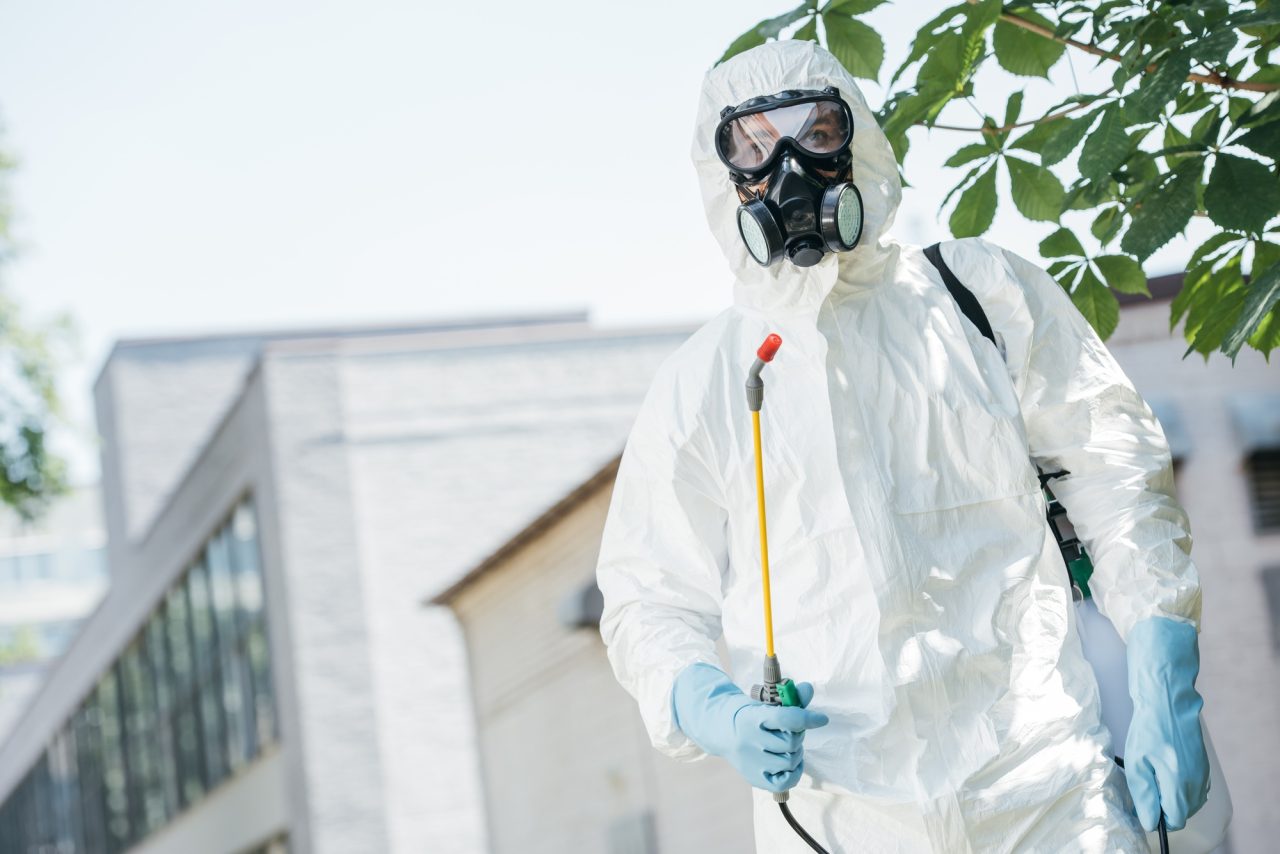
Fast-response remediation services available for urgent mold issues caused by flooding, leaks, or high humidity.
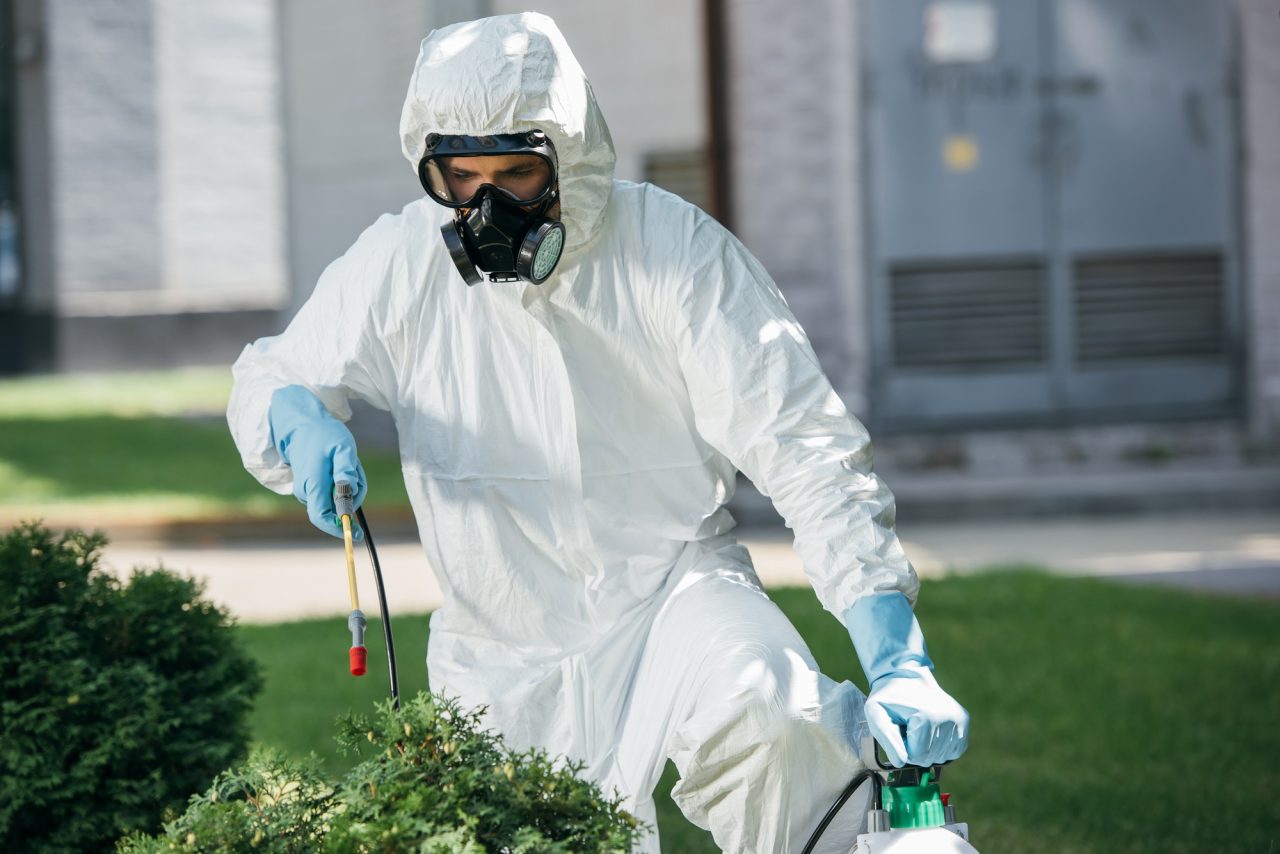
Safe, non-toxic products and sustainable cleaning methods that protect both your health and the environment.
Areas Served
Need More Help?
Our team is ready to provide expert mold removal assistance.
Get personalized guidance from our certified mold specialists to assess your situation and recommend the right service.
Need immediate mold inspection or removal? Submit a service request and our team will respond promptly.
For ongoing remediation projects or post-service maintenance, our support team is here to help.
Read our latest guides and articles on mold prevention, indoor air safety, and home maintenance.
Trusted by 25,000+ world-class brands and organizations of all sizes