
Welcome to EverClean Mold Removal
Mold Remediation Lakeland
15+
Who we are
Get to Know the Experts Behind EverClean Mold Removal.
Dedicated to restoring healthy, mold-free spaces for over 15 years.
Expert Tips from Mold Remediation Professionals Lakeland FL on Tackling and Preventing Mold Growth
Mold growth can be a significant problem for homeowners, as it not only damages property but can also pose health risks. Understanding how to deal with mold effectively and prevent its recurrence is crucial for maintaining a healthy living environment. Below are actionable steps and strategies to address mold issues and minimize their chances of coming back.
Steps to Effectively Address Mold Growth
- Mold thrives in damp environments, so pinpointing the source of moisture is essential.
- Leaky pipes or plumbing fixtures
- Roof leaks
- Condensation buildup on windows or walls
- Poor ventilation in areas such as bathrooms or basements
- Small mold infestations (less than 10 square feet) can often be handled by homeowners using proper cleaning methods.
- Larger infestations may require professional inspection and remediation.
- Wear appropriate protective gear such as gloves, safety goggles, and an N-95 respirator mask to avoid inhaling spores.
- Contain the area by closing doors, sealing vents, and using plastic sheeting to prevent mold spores from spreading.
- Use a solution of water and detergent or a commercially available mold cleaner for non-porous surfaces like tiles or glass. Avoid using bleach unless specified by professionals, as it may not fully penetrate porous materials.
- Scrub affected surfaces thoroughly with a brush or sponge until visible signs of mold are removed.
- For porous materials like drywall or carpets that are heavily infested, consider removal and replacement rather than attempting cleaning.
- Dry Thoroughly
After cleaning, ensure all surfaces are completely dry to prevent future growth: - Open windows for ventilation or use dehumidifiers in areas with poor natural airflow.
- Maintain indoor humidity levels between 30%–50%. A hygrometer can help monitor humidity levels.
Preventing Mold Growth
- Control Indoor Humidity: Keep rooms well-ventilated by using exhaust fans in kitchens and bathrooms.
- Repair Water Damage Promptly: Fix leaks immediately to prevent moisture accumulation.
- Inspect Your Home Regularly: Check high-risk areas such as basements, attics, and under sinks for early signs of moisture damage.
- Use Mold-Resistant Materials: During construction or renovations, opt for mold-resistant drywall or paints designed specifically for damp environments.
- Clean Regularly: Dusting and vacuuming regularly helps eliminate organic materials (like dust) that molds feed on.
Quick Reference Table: Effective Methods vs Common Mistakes
| Action | Effective Approach | Common Mistake |
| Cleaning small mold spots | Use detergent/water solution | Using bleach without proper research |
| Addressing visible leaks | Repair promptly | Ignoring minor drips |
| Managing humidity | Install dehumidifiers | Skipping regular maintenance |
| Handling porous materials | Remove when deeply infested | Attempting to clean heavily damaged items |
Dealing with mold promptly while adopting effective preventative measures will go a long way toward keeping your home safe from damage and promoting healthy living conditions for you and your family.
Effective Tips for Mold Remediation Lakeland Homeowners Should Know
Mold can be a silent infiltrator in homes, often going unnoticed until it becomes a significant issue. Recognizing the signs of mold early is crucial to protecting your health and preventing further damage to your property. Below are key identifiers to help you determine if mold might be present in your home.
Signs You May Need Professional Mold Removal Lakeland Services
- Visible Discoloration: Mold often manifests as dark spots or streaks on walls, ceilings, or flooring. It can appear in various colors such as black, green, white, or even orange, and frequently thrives in damp areas.
- Fuzzy or Slimy Texture: Some molds develop a distinct fuzzy or slimy texture that makes them stand out from normal dirt or stains.
- Growth Around Water Sources: Check for signs of mold near sinks, bathtubs, showers, toilets, washing machines, and water heaters where moisture tends to accumulate.
Expert Mold Inspection Lakeland: Say Goodbye to Musty Odors
Even if mold is not immediately visible, it often produces a strong musty smell. This odor is typically an early warning sign of hidden mold growth behind walls or under floors where moisture has seeped into building materials.
Unexplained Health Symptoms Linked to Water Damage Restoration Lakeland FL
Mold can have significant effects on human health. If you or members of your household develop unexplained symptoms such as:
– Persistent coughing or sneezing
– Nasal congestion
– Skin irritation or rashes
– Frequent headaches
– Difficulty breathing
these issues may indicate exposure to mold spores.
Certain individuals are more sensitive to molds than others. Those with asthma, allergies, compromised immune systems, or pre-existing lung conditions may experience heightened symptoms.
Key Structural Indicators Requiring Mold Remediation Lakeland FL
In addition to physical and sensory signs of mold growth indoors, you should also inspect for structural changes:
1. Peeling Paint: Moisture trapped behind walls can lead to bubbling and peeling paint—a potential warning sign of underlying mold development. 2. Warping Floors/Walls: Wood flooring that appears warped or ceilings that sag could signify water damage creating conditions conducive for mold. 3. Water Stains: Yellowish-brown stains on ceilings and walls often point toward leaks—sites where mold thrives if left unchecked.
| Common Signs | Description |
| Musty Smell | Strong odor indicating hidden moisture issues |
| Visible Mold Growth | Discoloration (black/green/white) on walls/floors |
| Health Symptoms | Respiratory problems (sneezing/coughing) without clear external causes |
| Peeling Paint | Bubbling paint caused by trapped moisture |
| Water Stains | Yellowish discoloration marking areas affected by leaks |
Effective Lakeland Mold Remediation for Prone Areas
Focus on inspecting these high-risk areas in your home:
1. Bathrooms – Showers and around toilets sink due frequent humidity levels. 2. Kitchens – Underneath sinks cabinets and appliances prone leaks like dishwashers fridge/freezer combos 3 Crawl spaces attics basements limited ventilation damp conditions favor outbreaks
By becoming vigilant observing outlined
Step-by-Step Guide to Mold Remediation Lakeland FL Residents Can Trust
Dealing with mold requires a careful and methodical approach to ensure it is effectively removed without causing harm to yourself, your household, or the environment. Following a structured plan can help you tackle mold efficiently and prevent its recurrence.
Step 1: Assessing the Mold Problem
Before diving into remediation, evaluate the severity and spread of the mold. This determines whether you can handle it yourself or need professional assistance.
- Small areas (less than 10 square feet): Typically manageable with DIY methods.
- Larger infestations: Consider consulting a professional mold remediation service.
- Type of surfaces impacted: Porous materials like drywall may require removal, while non-porous materials can often be cleaned.
Step 2: Ensuring Safety Precautions
Mold removal can release spores into the air, which may harm your health. Proper safety measures are critical.
- N95 mask or respirator
- Non-porous gloves
- Goggles without ventilation holes
- Ensure proper ventilation in the work area by opening windows or using exhaust fans.
- Seal off unaffected areas using plastic sheeting and tape to prevent cross-contamination.
Step 3: Containing the Mold
Preventing mold spores from spreading during cleanup is essential.
- Use plastic sheeting to cover adjacent spaces.
- Limit airflow by turning off HVAC systems in the affected area.
- Avoid disturbing large infestations until you’re ready to clean them properly.
Step 4: Cleaning Up Mold Safely
| Material Type | Recommended Action |
| Non-Porous | Scrub with soap and water or a commercial cleaner. |
| Porous (e.g., drywall) | Remove and replace if heavily damaged. |
| Fabric/Clothing | Wash with hot water; discard if damage persists. |
- A mix of one cup of bleach per gallon of water for hard surfaces (never mix bleach with ammonia).
- Commercially available antimicrobial treatments designed for home use.
When scrubbing moldy areas, avoid excessive force that could release additional spores into the air.
Step 5: Dry Everything Thoroughly
- Use dehumidifiers or fans to dry all surfaces completely.
- Ensure no residual dampness remains within porous materials like carpets or insulation.
Failure to dry thoroughly after cleanup may lead to regrowth of mold colonies.
Step 6: Disposing of Contaminated Materials Properly
- Place contaminated items in sealed plastic bags before disposal.
- Follow local regulations for disposing of hazardous materials if necessary.
Examples include heavily infested drywall, insulation, carpet padding, or upholstery beyond repair.
Step 7: Monitor for Recurrence
- Inspect regularly for signs of regrowth such as discoloration or musty odors.
- Address any water leaks or humidity issues promptly to reduce future risks.
By following these steps meticulously and taking preventive measures moving forward, you can maintain a healthy living environment free from problematic mold growth.
Step-by-Step Guide to Mold Removal Lakeland FL: Safely Getting Rid of a Mold Problem
When tackling a mold issue, safety and precision are essential to ensure the problem is resolved effectively while protecting the health of everyone involved. Here’s a comprehensive step-by-step guide to handle mold removal safely and efficiently.
Step 1: Assess the Extent of the Mold Problem
Before beginning any removal process, evaluate how widespread the mold growth is.
- Small or localized areas: Less than 10 square feet (e.g., small spots on walls or ceilings) can generally be handled by homeowners with proper precautions.
- Larger infestations: Anything over 10 square feet may require professional remediation.
- Hidden mold: Mold behind walls, under flooring, or in HVAC systems often requires specialized tools and expertise to detect and address.
Use a flashlight and inspect damp areas like basements, bathrooms, attics, or kitchens where moisture accumulation is common.
Step 2: Gather Necessary Safety Equipment
- Respirator mask: Opt for an N95 respirator or higher-grade mask to prevent inhaling harmful spores.
- Gloves: Choose long gloves made of rubber, neoprene, or polyvinyl chloride (PVC).
- Goggles: Wear non-vented goggles to shield your eyes from spores and cleaning solutions.
- Protective clothing: Consider wearing disposable coveralls or clothes you’re willing to discard after use.
Step 3: Contain the Affected Area
- Seal off doors and vents leading to other parts of your home using plastic sheeting and duct tape.
- Turn off fans or HVAC systems in the area to prevent air circulation from spreading spores.
- Place any contaminated items in sealed plastic bags before removing them from the space.
Step 4: Remove Moldy Materials
- Cut out damaged drywall at least 12 inches beyond visible mold growth.
- Remove and discard mold-infested insulation or carpets.
- Place all debris in thick plastic bags for proper disposal according to local regulations.
For nonporous surfaces such as glass, metal, or tile that show no significant damage, thorough cleaning may suffice.
| Material Type | Recommended Action |
| Porous (e.g., fabric) | Discard if visibly affected |
| Semi-Porous (e.g., wood) | Clean thoroughly; replace if damaged |
| Non-Porous (e.g., tile) | Clean with appropriate solutions |
Step 5: Clean Surfaces Thoroughly
- A mixture of one cup bleach per gallon of water for nonporous surfaces.
- Commercially available mold cleaners designed for household use.
- Scrub vigorously with a stiff brush until all visible traces are gone.
- Rinse thoroughly with water and dry completely.
Step 6: Dry the Area Completely
- Open windows and doors for ventilation where possible.
- Use dehumidifiers and fans to speed up drying times.
- Address any sources of moisture such as leaks before closing up repaired areas.
Step 7: Prevent Future Mold Growth
- Keep relative humidity levels in your home below 50%.
- Fix plumbing issues promptly.
- Insulate pipes prone to condensation.
- Routinely inspect high-risk areas like basements and bathrooms for early signs of moisture buildup.
This step-by-step approach ensures effective removal while minimizing health risks associated with exposure during cleanup efforts.
Prevent Mold Recurrence with Advice from a Mold Specialist Lakeland Expert
When dealing with a mold problem, one critical step that people often underestimate is identifying and discarding items that cannot be effectively cleaned. Mold spores can latch onto porous materials and remain even after cleaning efforts, creating a risk of recurrence. Disposing of these compromised belongings is essential for maintaining a safe and healthy home environment.
Why Some Items Cannot Be Salvaged
Certain types of materials are particularly susceptible to mold growth because they absorb moisture easily. Once mold infiltrates these porous surfaces, it becomes nearly impossible to remove all spores. This creates an ongoing source of contamination that can spread to other areas.
Examples of items that may need to be discarded:
– Carpeting and Rugs: Even if surface stains are removed, the padding underneath often harbors hidden mold.
– Upholstered Furniture: Fabric and foam cushions can trap moisture, making them breeding grounds for spores.
– Mattresses and Pillows: These items are difficult to fully sanitize due to their dense structure.
– Cardboard Boxes: Cardboard absorbs moisture quickly and provides the perfect conditions for mold growth.
– Drywall or Plasterboard: If water damage is extensive, replacing affected sections is often more effective than attempting cleaning.
Steps for Identifying Unsalvageable Items
- Inspect Each Item Thoroughly: Look for visible signs of mold such as discoloration (black, green, or white spots) and musty odors.
- Assess Material Type: Determine whether the item is porous (e.g., fabric, wood) or non-porous (e.g., glass or metal). Non-porous materials are generally easier to clean.
- Evaluate the Damage Severity: If mold has deeply penetrated into an item or if it has been exposed for an extended period, it’s likely unsalvageable.
- Consider Health Risks: For items used in daily life—like bedding or clothing—err on the side of caution if there’s any doubt about their cleanliness.
Safe Disposal Practices
- Seal large items such as furniture in heavy-duty plastic bags before removing them from your home.
- Avoid dragging contaminated items through your living space to prevent spreading spores.
- Check local regulations regarding disposal of materials with potential biohazards like mold-infested drywall or textiles.
- Wear protective gear during removal, including gloves, goggles, and a mask rated N95 or higher.
Preventing Future Mold Issues
- Ensure proper ventilation by using exhaust fans in high-moisture areas such as bathrooms and kitchens.
- Use dehumidifiers in damp spaces like basements.
- Regularly inspect plumbing pipes for leaks that could create ideal conditions for mold growth.
- Replace cardboard storage boxes with plastic containers resistant to moisture.
| Item Type | Salvageable? | Key Considerations |
| Carpeting/Rugs | Rarely | Padding likely holds hidden mold |
| Upholstered Chairs | Rarely | Difficult-to-reach areas often remain infected |
| Mattresses/Pillows | Unlikely | Dense material makes cleaning ineffective |
| Plastic Containers | Likely Salvageable | Non-porous surface easy to sanitize |
Removing non-cleanable belongings may seem inconvenient at first but plays a vital role in achieving long-term success in eliminating mold from your home environment while protecting your family’s health.
Our value
Your Trusted Partner for Professional Mold Removal & Remediation Solutions
We are committed to helping homeowners and businesses create safe, healthy, and mold-free environments. Our certified experts provide thorough inspections, advanced remediation, and long-term prevention to ensure lasting protection for your property.
To be the leading mold remediation company known for restoring safe indoor environments and improving the health and well-being of every client we serve.
To provide reliable, eco-friendly, and efficient mold removal services using advanced technology and industry best practices — ensuring your home remains clean, dry, and free from harmful mold.
What we offer
Customized Pest Control Plans for Homes and Businesses.
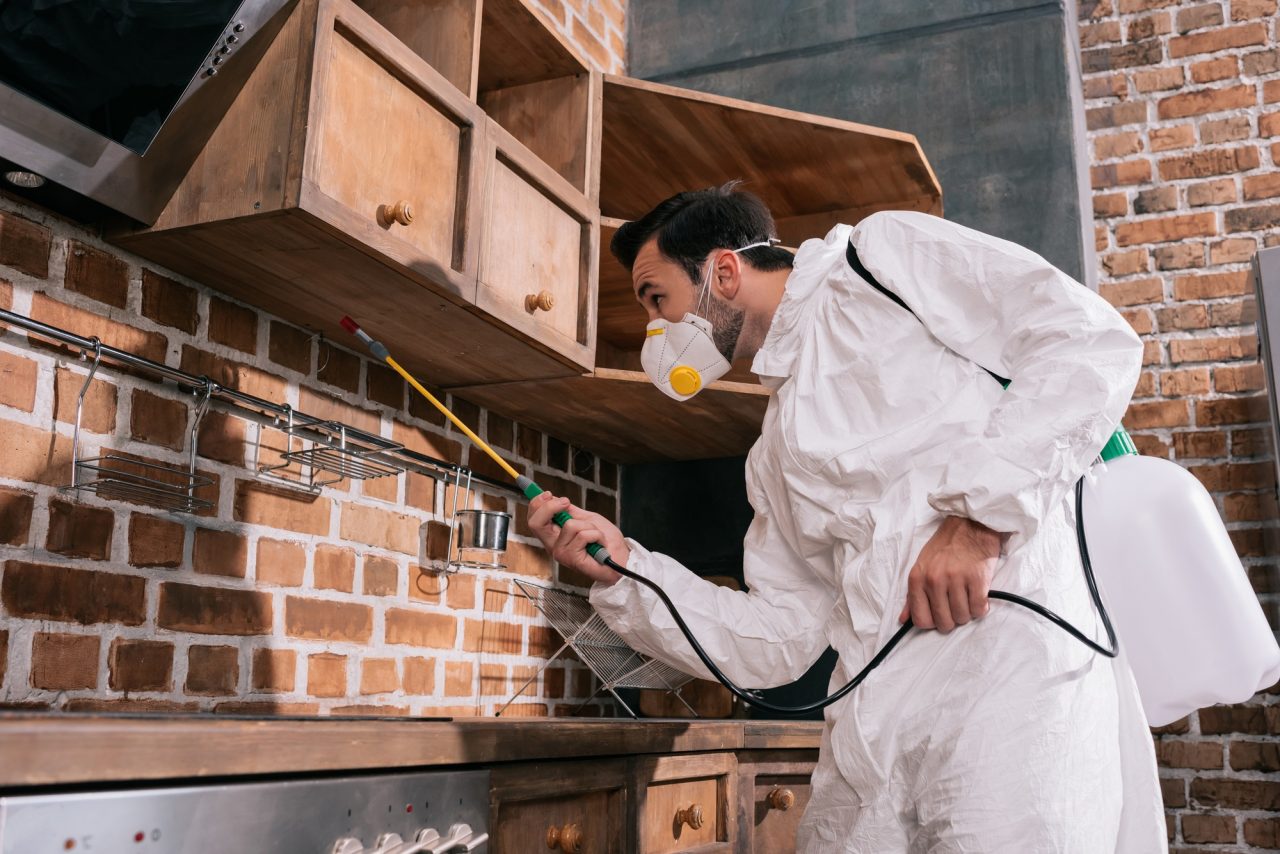
Professional inspection to detect visible and hidden mold growth, ensuring a safe and healthy living environment for your family.
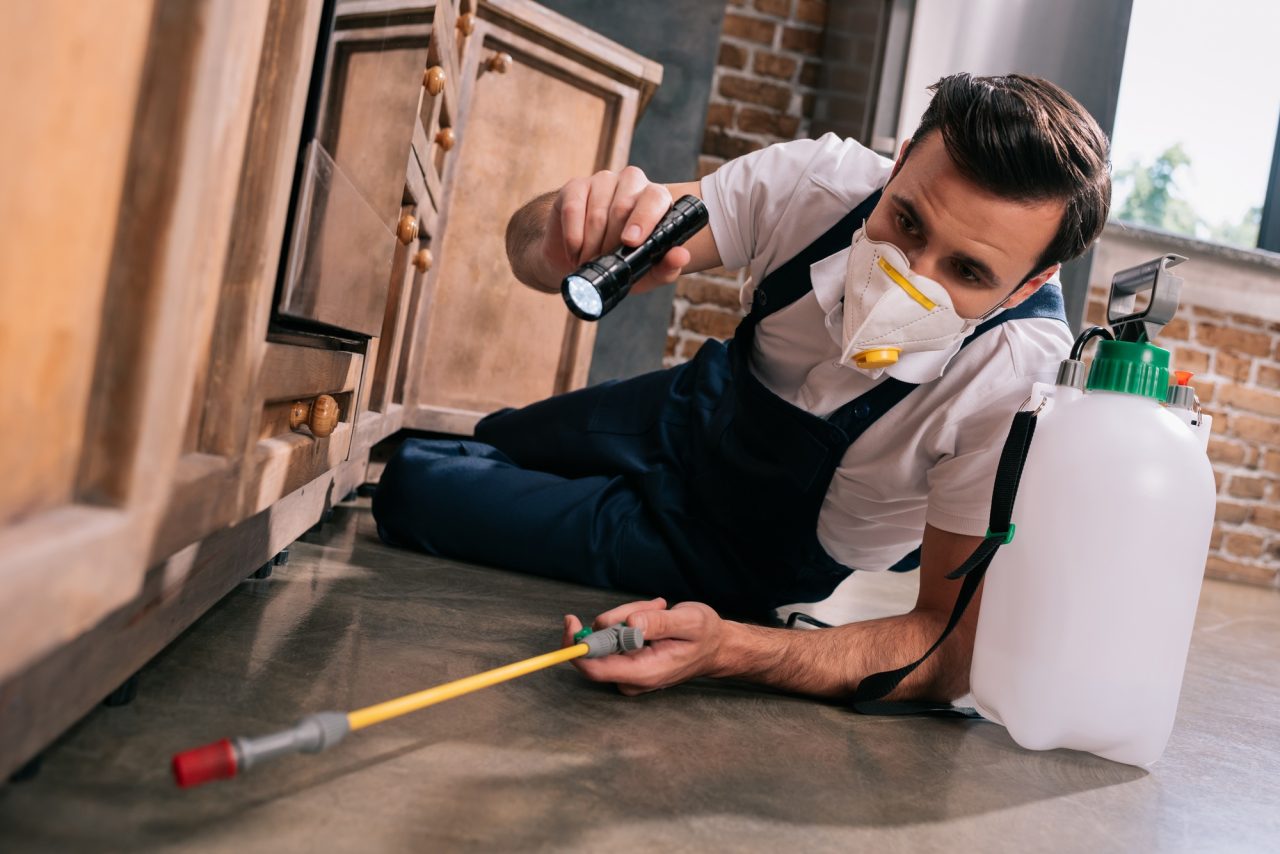
Comprehensive mold removal services for offices, buildings, and industrial spaces designed to maintain clean indoor air quality.

Accurate testing and analysis to identify mold spores and assess the air quality in your home or workplace.
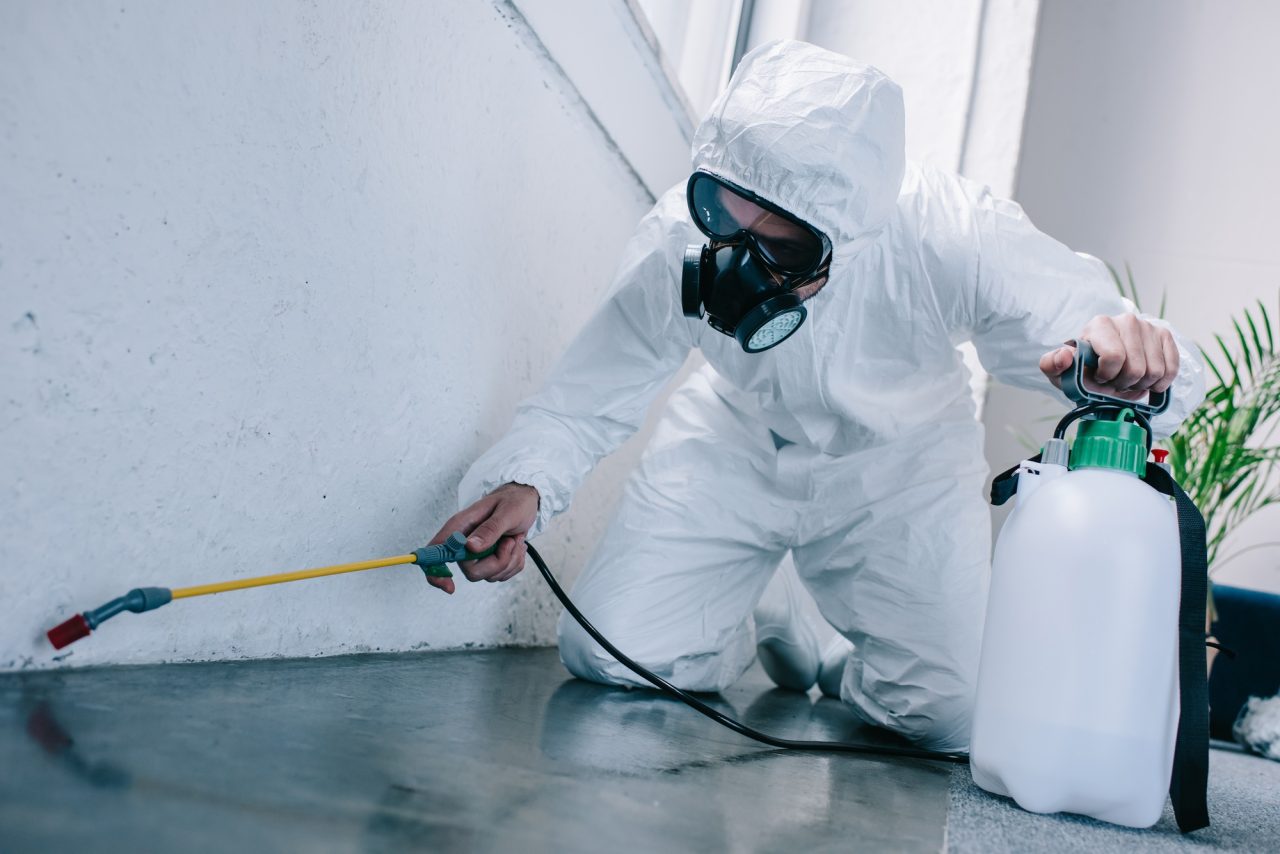
Advanced tools to identify sources of excess moisture and prevent future mold growth.

Fast-response remediation services available for urgent mold issues caused by flooding, leaks, or high humidity.
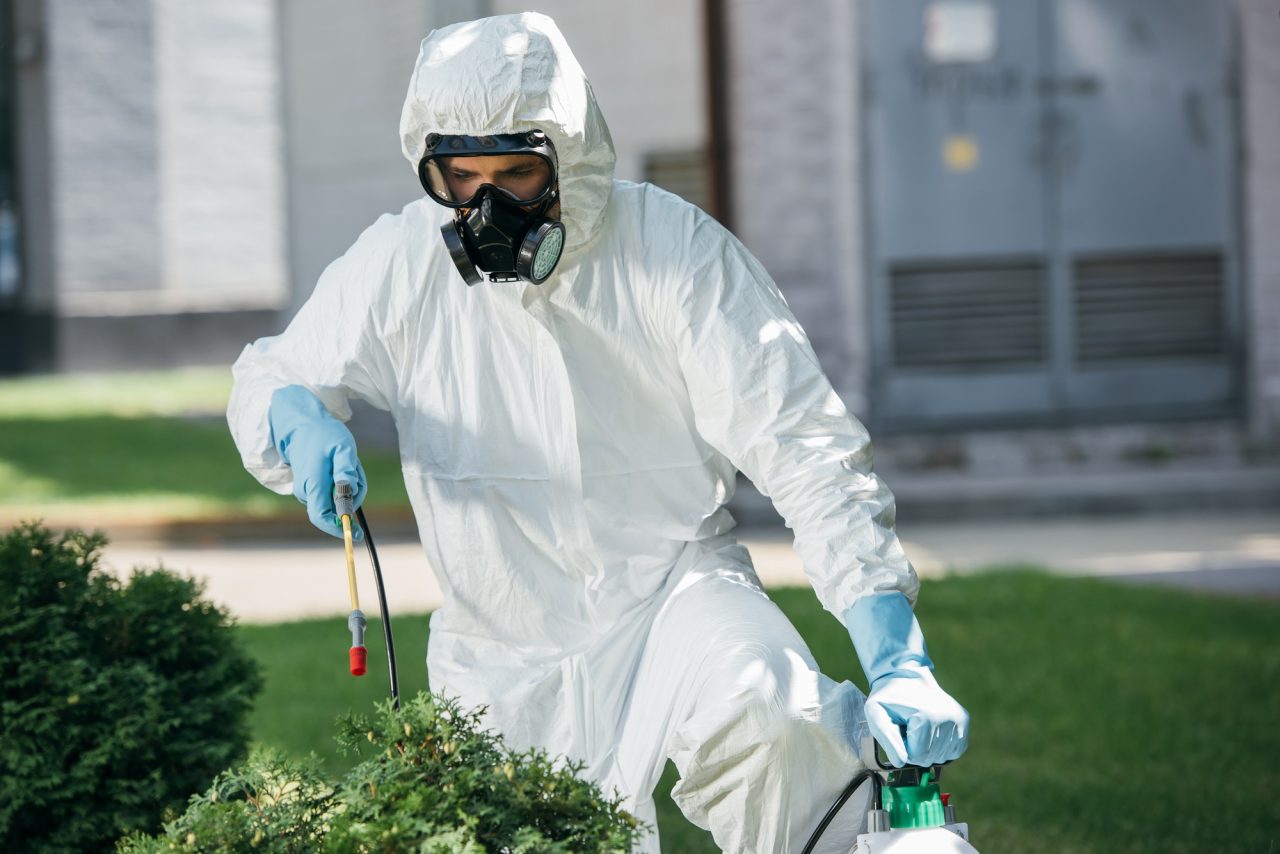
Safe, non-toxic products and sustainable cleaning methods that protect both your health and the environment.
Areas Served
Need More Help?
Our team is ready to provide expert mold removal assistance.
Get personalized guidance from our certified mold specialists to assess your situation and recommend the right service.
Need immediate mold inspection or removal? Submit a service request and our team will respond promptly.
For ongoing remediation projects or post-service maintenance, our support team is here to help.
Read our latest guides and articles on mold prevention, indoor air safety, and home maintenance.
Trusted by 25,000+ world-class brands and organizations of all sizes