
Welcome to EverClean Mold Removal
Mold Remediation Hollywood
15+
Who we are
Get to Know the Experts Behind EverClean Mold Removal.
Dedicated to restoring healthy, mold-free spaces for over 15 years.
Mold Removal Hollywood: Understanding the Process and Effective Solutions
Mold growth is a common issue following water damage, and addressing it promptly is essential for maintaining both structural integrity and indoor air quality. Understanding the process of water damage restoration and mold remediation can help property owners take informed steps to mitigate risks effectively.
The Relationship Between Water Damage and Mold Growth
Mold thrives in environments with excess moisture. When water damage occurs due to floods, leaks, or plumbing issues, it creates ideal conditions for mold spores to grow and spread.
- Moisture levels: High humidity or standing water encourages rapid mold development.
- Time: Mold can begin growing within 24–48 hours after water exposure.
- Organic materials: Materials like wood, drywall, carpeting, or insulation provide the nutrients mold needs.
To prevent mold issues from escalating, addressing the source of moisture immediately is critical.
Steps in Water Damage Restoration
Water damage restoration follows a structured process to ensure thorough drying and mitigation.
- Identify the extent of water damage.
- Determine potential areas affected by hidden moisture (e. g. , inside walls or under flooring).
- Use tools like moisture meters or infrared cameras to locate damp zones.
- Remove standing water using pumps or wet vacuums.
- Extract excess moisture from carpets and padding.
- Use industrial-grade dehumidifiers and air movers to dry affected areas efficiently.
- Monitor humidity levels until they return to normal ranges (30–50% relative humidity).
- Clean surfaces with antimicrobial agents to prevent mold growth.
- Sanitize furniture, walls, and floors as needed.
- Replace damaged materials like drywall or flooring if necessary.
- Restore your home or building back to its pre-damage condition.
Mold Remediation: Addressing Existing Growth
If mold has already begun developing after water damage, professional remediation may be required.
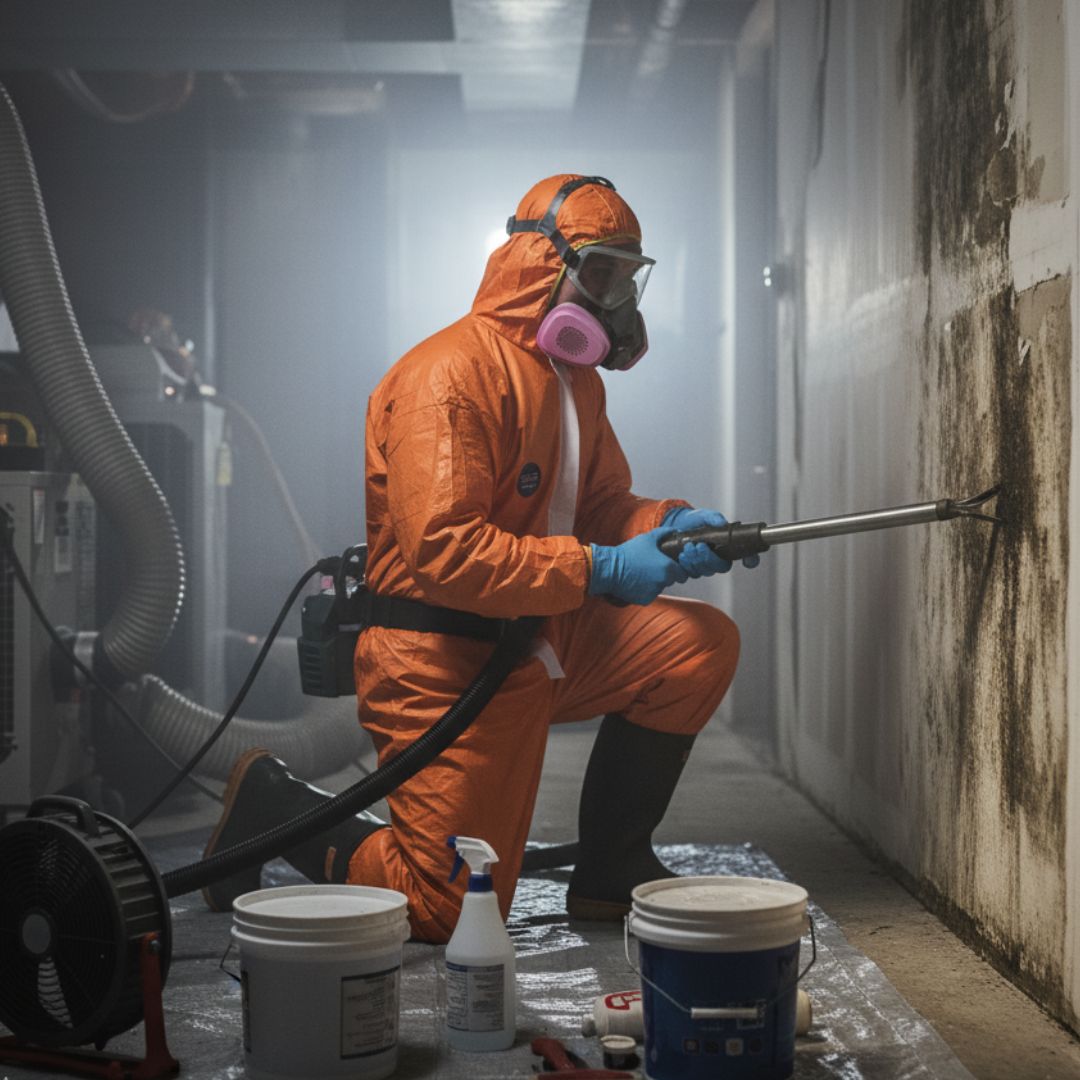
- Containment of affected areas using barriers (e. g. , plastic sheeting) to prevent spores from spreading.
- Removal of porous materials that cannot be salvaged (e. g. , soaked insulation or wallpaper).
- HEPA vacuuming surfaces to capture microscopic spores.
- Cleaning nonporous surfaces with appropriate cleaning solutions.
Solutions for Long-Term Prevention
- Fix plumbing leaks promptly.
- Ensure proper drainage around your property by maintaining gutters and downspouts.
- Invest in a dehumidifier if you live in a humid climate.
- Regularly inspect HVAC systems for condensation buildup.
| Problem | Preventative Action |
| Plumbing Leaks | Repair damaged pipes immediately |
| Poor Ventilation | Install exhaust fans in bathrooms/kitchens |
| High Humidity | Use dehumidifiers regularly |
| Clogged Gutters | Maintain routine gutter cleaning |
By understanding both the causes of water-related problems and adopting effective solutions, property owners can reduce their risk of recurring issues while promoting healthier indoor environments.
Comprehensive Guide to Mold Remediation Hollywood: Recognizing and Addressing Mold Exposure Symptoms
Mold exposure can significantly impact health, especially for individuals with allergies, asthma, or compromised immune systems. Recognizing the symptoms of mold exposure early and taking appropriate action is critical to protecting your well-being. Below are effective tips for identifying common signs of mold exposure and addressing them promptly.
Signs You May Need a Mold Inspection Hollywood Residents Should Know
Mold exposure symptoms vary depending on an individual’s sensitivity level and the extent of exposure.
- Persistent coughing or wheezing
- Shortness of breath
- Sinus congestion or runny nose
- Sneezing episodes
- Red, itchy, or watery eyes
- Skin irritation or rashes
- Headaches or migraines
- Fatigue and weakness without a clear cause
- Difficulty concentrating or memory issues (“brain fog”)
For individuals with chronic respiratory conditions such as asthma, mold exposure may lead to more frequent flare-ups or worsened symptoms.
Tips for Effective Water Damage Restoration Hollywood FL Residents Should Know
If you suspect that mold could be triggering health issues, take steps to detect its presence in your home or workplace.
- Visual Inspection: Look for black, green, gray, or white patches on walls, ceilings, floors, and windowsills. Mold often thrives in damp areas such as bathrooms and basements.
- Odor Detection: A persistent musty smell is a key indicator of mold growth even when it isn’t visible.
- Check High-Moisture Areas: Pay attention to spaces prone to leaks (e. g. , under sinks, near water heaters). Use a moisture meter if necessary to identify areas with high humidity levels.
Effective Steps for Mold Remediation Hollywood FL Residents Can Count On
Step 1: Minimize Exposure
- Avoid Disturbing Mold Growth: Disturbing mold can release spores into the air and worsen indoor air quality.
- Use Protective Gear: If you need to inspect affected areas closely, wear gloves and an N95 respirator mask.
- Air Purifiers: Use HEPA-filter air purifiers to reduce airborne spores.
Step 2: Seek Medical Attention
If you’re experiencing severe symptoms (e. g. , difficulty breathing), consult a healthcare professional immediately. Allergy testing may help determine whether your health issues are linked to mold exposure.
Step 3: Address Moisture Problems
Identify the source of moisture contributing to mold growth: – Repair leaks in pipes or roofing. – Improve ventilation in high-humidity rooms (e. g. , install exhaust fans). – Use dehumidifiers if necessary.
Step 4: Professional Evaluation
Engage a professional mold inspection service if: – You notice extensive visible growth. – Symptoms persist despite eliminating smaller sources of growth.
A licensed inspector can evaluate your building using specialized tools like infrared cameras and air quality tests.
DIY vs Professional Solutions for Hollywood Mold Remediation
While small amounts of surface-level mold can sometimes be cleaned with appropriate cleaning agents (e. g. , vinegar solutions), larger infestations should always be handled by trained professionals equipped with advanced techniques like HEPA vacuuming and containment systems.
| Problem Severity | Suggested Action |
| Small isolated patches | Clean using DIY methods cautiously |
| Larger visible infestations | Hire certified remediation experts |
By taking proactive measures against both environmental conditions that encourage mold growth and related health risks caused by prolonged exposure, you can ensure safer living spaces while maintaining better overall well-being.
Mold Remediation Hollywood FL: Should You DIY or Hire a Professional Service?
Mold in the basement is a common issue for homeowners, and addressing it promptly is crucial to prevent structural damage, health risks, and the spread of mold to other areas of the home. When deciding whether to tackle basement mold removal on your own or hire a professional service, there are several factors to consider. Below, we explore the pros and cons of each option to help you make an informed decision.
Understanding the Scope of the Problem
Before deciding whether to go DIY or hire a professional, it’s important to assess the severity of the mold problem. Ask yourself these questions: – How extensive is the mold growth? – Has water damage contributed to the issue? – Are there any signs of hidden mold behind walls or under flooring? – Do you have access to proper tools and knowledge for effective remediation?
In cases where mold covers more than 10 square feet or where hidden growth is suspected, professional services are usually recommended.
DIY Basement Mold Removal
A do-it-yourself approach can be cost-effective for minor mold issues. Here’s what you need to know.
When DIY Might Be Feasible:– The affected area is relatively small (under 10 square feet). – There’s no evidence of structural damage. – The source of moisture has been addressed.
Steps for DIY Mold Remediation:1.Wear Protective Gear:Use gloves, goggles, and an N95 respirator mask. 2.Seal Off the Area:Prevent spores from spreading by sealing doors and vents. 3.Remove Contaminated Materials:Dispose of porous items like drywall or carpeting if they are heavily affected. 4.Scrub Surfaces:Clean nonporous surfaces with a solution of water and detergent or white vinegar. 5.Dry Thoroughly:Use dehumidifiers and fans to dry out the area completely.
Limitations:– Lack of experience may result in incomplete removal. – You may not have access to specialized equipment such as HEPA vacuums or industrial-grade air scrubbers. – Hidden mold could go undetected without professional expertise.
Hiring a Professional Service
Professional mold remediation services bring expertise, advanced tools, and thorough processes that can handle even severe infestations effectively.
Benefits of Hiring Experts:– Comprehensive Mold Assessment: Professionals perform detailed inspections using moisture meters, thermal imaging cameras, and air quality tests. – Safe Containment: Specialists use industry-standard containment techniques to prevent cross-contamination. – Thorough Remediation Process: Includes cleaning visible mold as well as addressing hidden growth in walls or under floors. – Long-Term Prevention: Professionals identify underlying causes (e. g. , leaks) and provide solutions such as waterproofing or improved ventilation.
Situations Requiring Professional Help: | Problem | Recommended Action | |——————————|—————————–| | Mold covers more than 10 sq ft | Hire a professional | | Structural materials affected | Hire a professional | | Persistent moisture problems | Hire a professional | | Health issues from exposure | Hire a professional |
Costs Involved:
Hiring professionals typically costs between $500–$6,000 depending on factors like severity, location within your home, and size of affected areas. While this can be expensive upfront, it may save you money in long-term repairs if handled improperly through DIY efforts.
Key Considerations When Choosing Between DIY and Professionals
Ultimately, your choice should depend on: 1. The extent and severity of the infestation. 2. Your ability to safely manage remediation with proper tools and knowledge. 3. Budget constraints balanced against potential long-term costs if mistakes occur during DIY efforts.
If safety concerns or uncertainties arise at any stage during a DIY project—or if health risks become apparent—it’s wise to consult professionals immediately for assistance. A thorough evaluation followed by proper action ensures both effective cleanup and prevention against future outbreaks in your basement space.
5 Essential Steps for Effective Mold Removal Hollywood FL Process
Mold remediation is a critical process that requires proper planning, execution, and follow-through to ensure success. If left untreated, mold can lead to structural damage and potential health issues. Below are five essential steps to help guide you through an effective mold remediation process.
Step 1: Assessing the Extent of the Mold Problem
Before taking any action, it’s important to identify the scope of the mold infestation. This step ensures that every affected area is addressed properly.
- Inspect visible areas: Look for discoloration, water stains, or musty odors in walls, ceilings, and flooring.
- Use testing tools: Utilize moisture meters or thermal imaging devices to detect hidden mold.
- Consult professionals when needed: A professional mold assessment may be necessary for large infestations or hard-to-reach areas.
Proper assessment helps in determining the tools and safety measures required for remediation.
Step 2: Containment of Affected Areas
Containing the affected area prevents the spread of mold spores to other parts of your property. This step is crucial in maintaining air quality and reducing cross-contamination risks.
- Sealing off doors and vents with plastic sheeting.
- Using negative air pressure machines equipped with HEPA filters.
- Restricting access to contaminated zones until remediation is complete.
Containment ensures that only targeted areas are treated while unaffected spaces remain protected.
Step 3: Removing Mold Safely
Once the area is contained, begin removing mold-damaged materials safely.
| Surface Type | Recommended Action |
| Porous materials | Discard carpets, drywall, insulation if heavily infested. |
| Non-porous surfaces | Clean using an EPA-approved biocide or detergent solution. |
| Wood surfaces | Scrub with a wire brush or sand them down if necessary. |
Always wear protective gear such as gloves, goggles, and respirators during this process.
Step 4: Cleaning and Decontaminating
After physically removing the mold, thoroughly clean all remaining surfaces to eradicate any lingering spores.
- HEPA vacuums can be used on floors and other flat surfaces.
- Apply antimicrobial treatments designed to prevent future growth.
- Dispose of all cleaning rags and contaminated materials properly in sealed bags.
Focus on maintaining proper ventilation during this phase by using air purifiers or opening windows where applicable.
Step 5: Addressing Underlying Moisture Problems
Mold thrives in damp environments; therefore, resolving moisture issues is key to long-term success in remediation efforts.
- Fixing leaks in plumbing systems or roofing.
- Improving indoor ventilation by installing exhaust fans or dehumidifiers.
- Ensuring gutters redirect water away from your property’s foundation.
By addressing these underlying factors immediately after cleaning up mold contamination, you reduce the risk of recurrence significantly.
A thorough understanding of each step ensures a comprehensive approach toward eradicating mold from your property effectively while safeguarding its structural integrity over time.
How Mold Remediation Professionals Hollywood FL Prevent Mold from Returning
Professional mold remediation is a critical step in addressing mold infestations. However, it is not uncommon for homeowners to worry about whether mold can return after the remediation process. Below, we explore the factors that can lead to recurring mold issues and provide actionable tips to prevent its return.
How to Prevent Mold from Returning with a Mold Specialist Hollywood
- Unidentified Moisture Problems: If the root cause of moisture—leaks, high humidity levels, or poor ventilation—is not resolved during remediation, mold can grow again within weeks.
- Incomplete Removal: Sometimes, hidden areas such as wall cavities or HVAC systems may harbor residual spores that were not fully addressed.
- Cross-Contamination: During remediation, improper containment procedures may cause mold spores to spread to other areas of the property.
- Environmental Factors: High humidity levels or poorly ventilated spaces create an ideal environment for dormant spores to reactivate.
How to Prevent Mold from Returning
Moisture control is key in preventing new outbreaks. Consider the following steps: – Repair leaky roofs, windows, or plumbing immediately. – Install dehumidifiers in humid environments such as basements or bathrooms. – Ensure proper drainage around your property to avoid water pooling near foundations.
– Open windows periodically (if weather permits) to circulate fresh air indoors.
| Room | Recommended Ventilation Solution |
| Bathroom | Exhaust fan; open window after showers |
| Kitchen | Range hood; exhaust fan |
| Basement | Dehumidifier; air circulation system |
Use a hygrometer to monitor these levels regularly. If necessary: – Utilize air conditioning systems during warm months. – Invest in a whole-house dehumidifier for larger properties facing persistent humidity issues.
Mold often grows unnoticed in hidden spaces like attics, crawl spaces, and HVAC systems: – Inspect these areas quarterly for visible signs of water damage or musty odors. – Schedule periodic HVAC maintenance services to check for contamination.
Regular cleaning reduces organic matter that molds feed on: – Wash walls and hard surfaces with mold-preventative cleaners such as vinegar solutions or commercial products containing antimicrobial agents. – Launder curtains and upholstery that frequently accumulate dust and moisture.
The Role of Professional Maintenance
Even after successful professional remediation, follow-up inspections by certified specialists can help identify emerging issues before they become severe. Many companies offer post-remediation assessments using tools like moisture meters or infrared cameras to ensure the underlying problem has been fully resolved.
Preventing recurring mold growth requires vigilance, routine maintenance, and addressing potential vulnerabilities proactively. By tackling moisture issues at their source while maintaining a clean living environment with adequate ventilation, you can significantly reduce the risk of future infestations following professional remediation services.
Our value
Your Trusted Partner for Professional Mold Removal & Remediation Solutions
We are committed to helping homeowners and businesses create safe, healthy, and mold-free environments. Our certified experts provide thorough inspections, advanced remediation, and long-term prevention to ensure lasting protection for your property.
To be the leading mold remediation company known for restoring safe indoor environments and improving the health and well-being of every client we serve.
To provide reliable, eco-friendly, and efficient mold removal services using advanced technology and industry best practices — ensuring your home remains clean, dry, and free from harmful mold.
What we offer
Customized Pest Control Plans for Homes and Businesses.
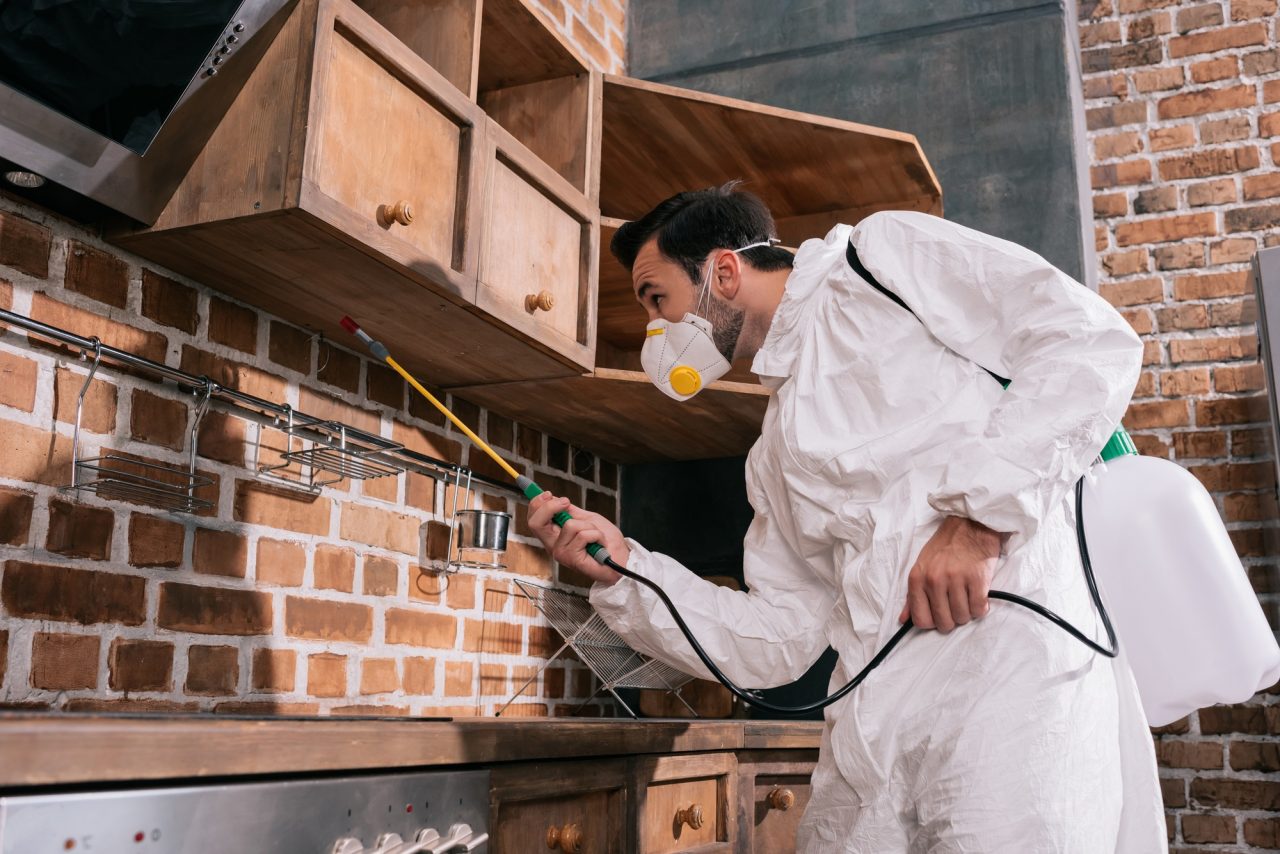
Professional inspection to detect visible and hidden mold growth, ensuring a safe and healthy living environment for your family.
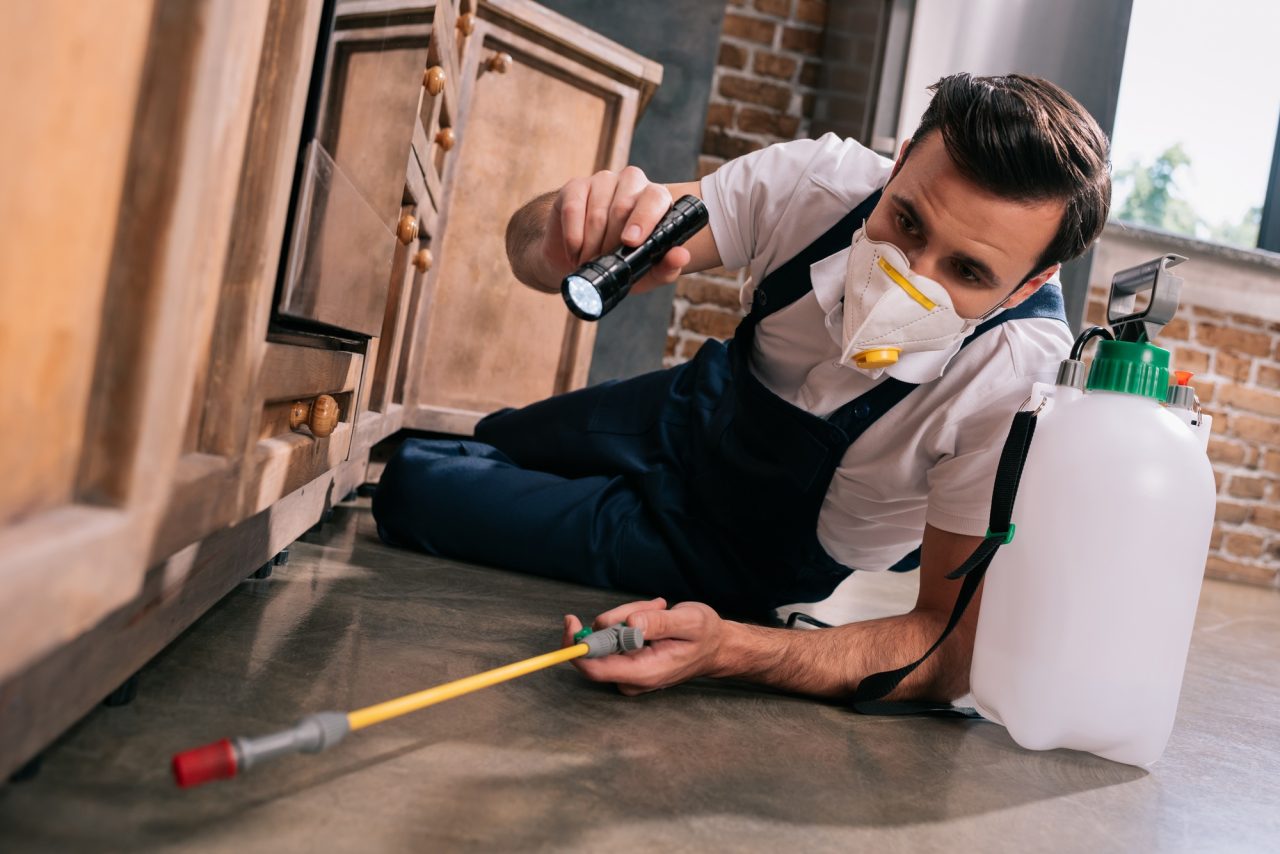
Comprehensive mold removal services for offices, buildings, and industrial spaces designed to maintain clean indoor air quality.
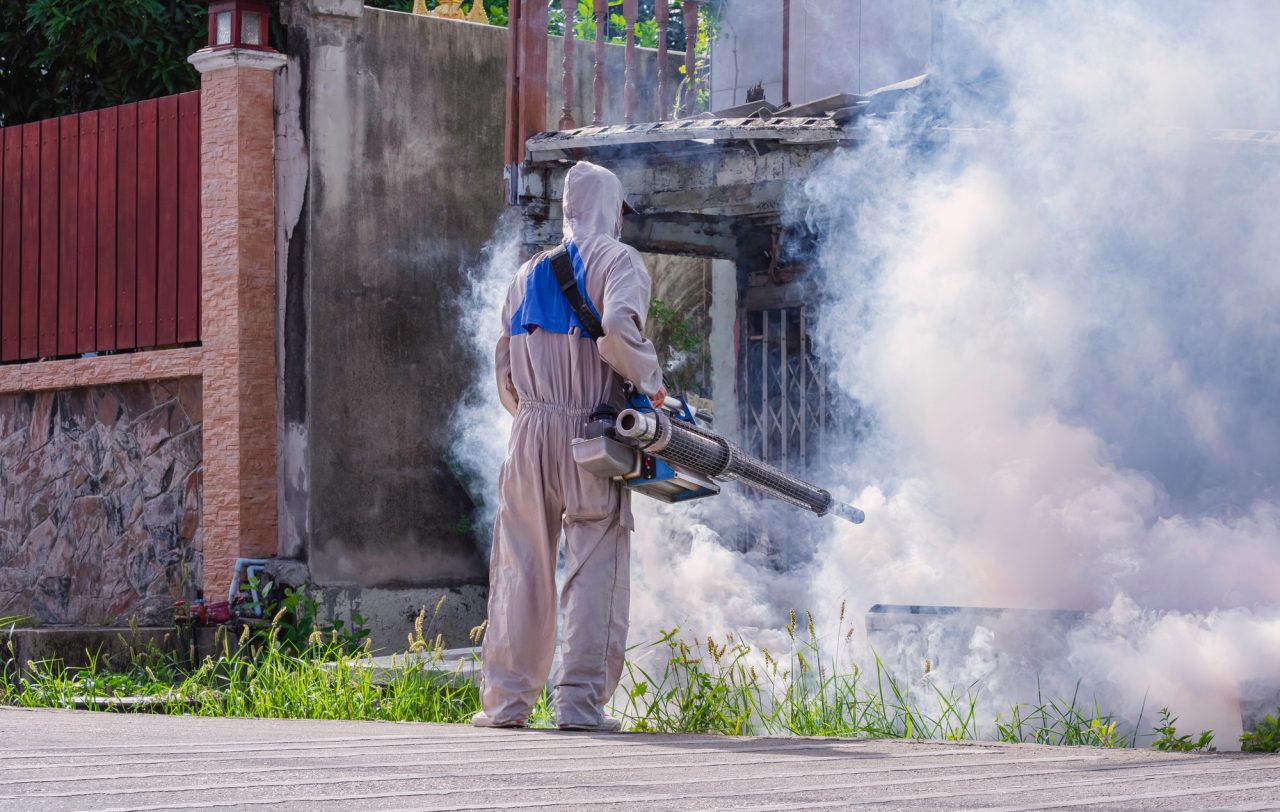
Accurate testing and analysis to identify mold spores and assess the air quality in your home or workplace.
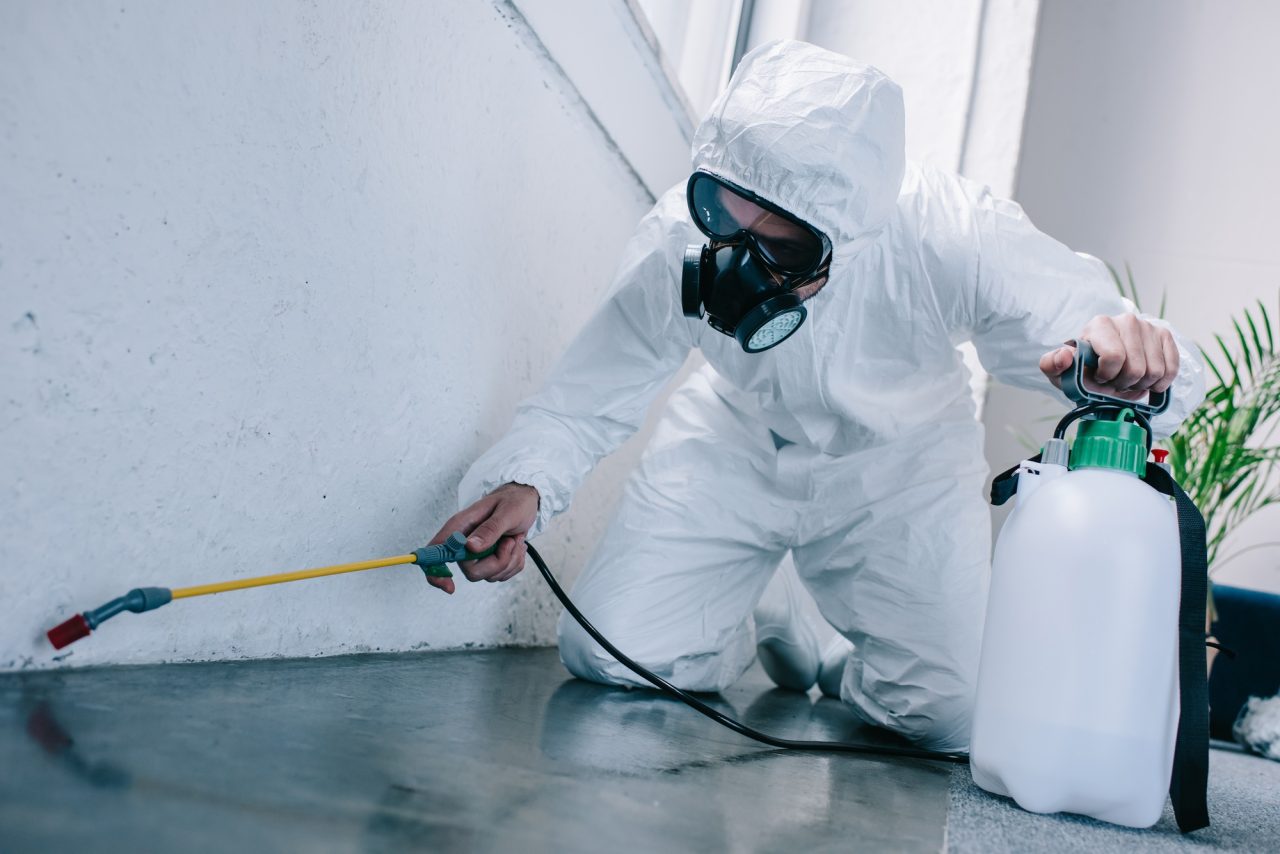
Advanced tools to identify sources of excess moisture and prevent future mold growth.
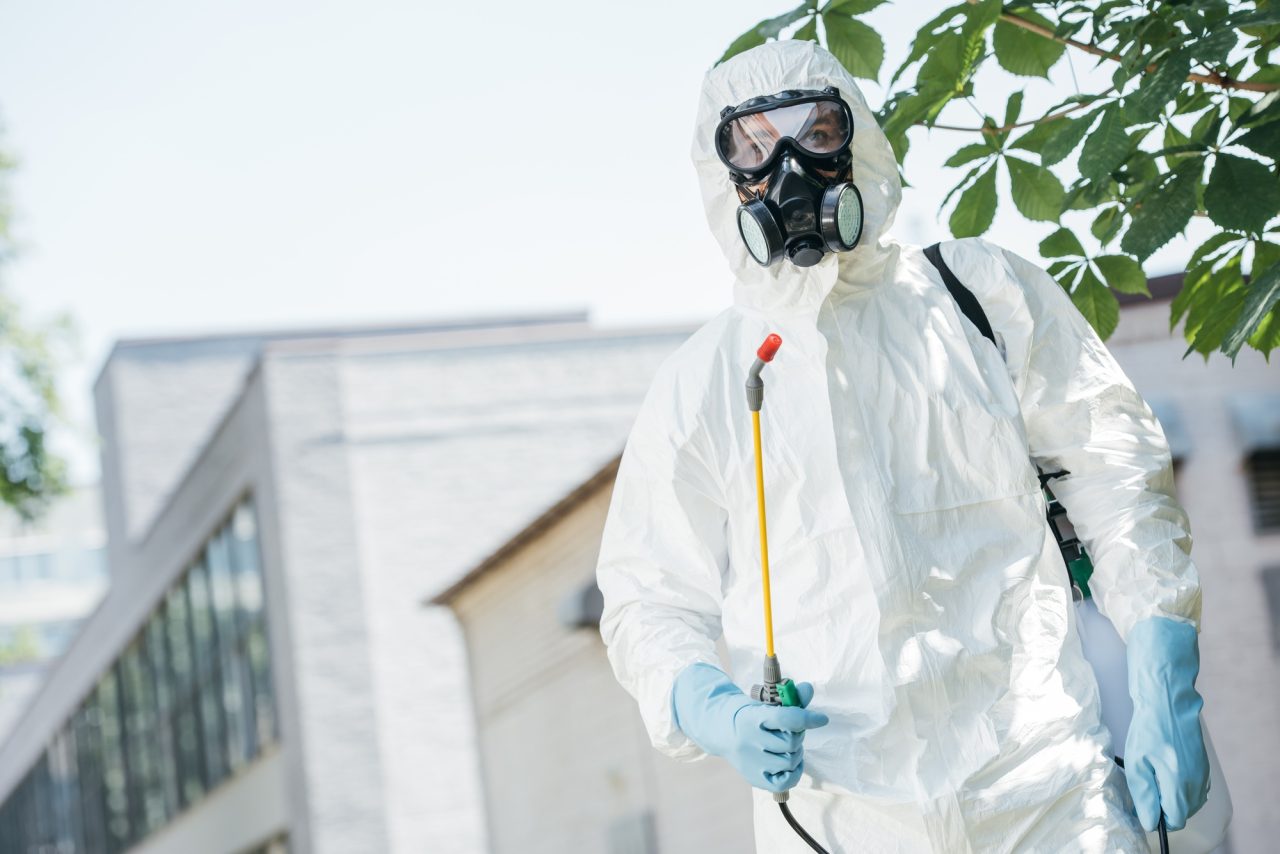
Fast-response remediation services available for urgent mold issues caused by flooding, leaks, or high humidity.
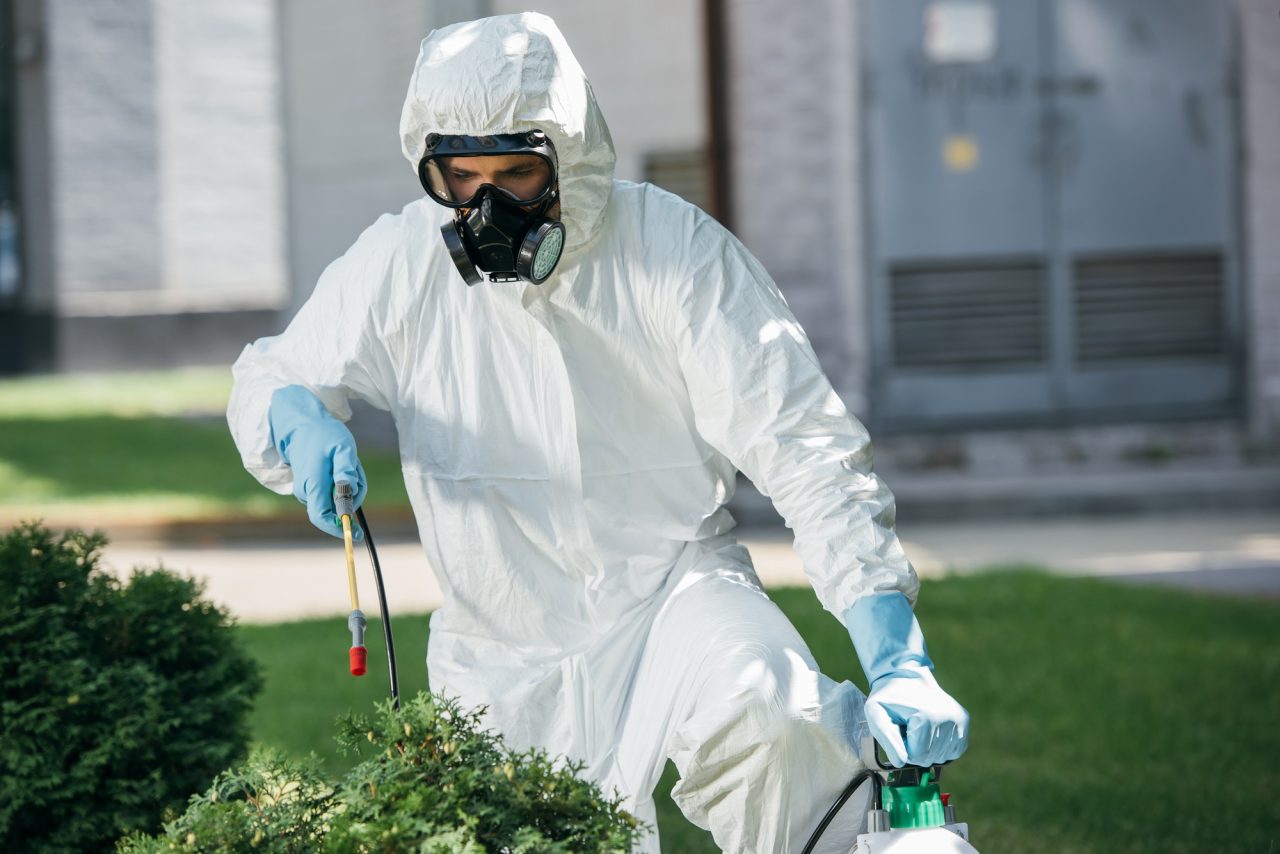
Safe, non-toxic products and sustainable cleaning methods that protect both your health and the environment.
Areas Served
Need More Help?
Our team is ready to provide expert mold removal assistance.
Get personalized guidance from our certified mold specialists to assess your situation and recommend the right service.
Need immediate mold inspection or removal? Submit a service request and our team will respond promptly.
For ongoing remediation projects or post-service maintenance, our support team is here to help.
Read our latest guides and articles on mold prevention, indoor air safety, and home maintenance.
Trusted by 25,000+ world-class brands and organizations of all sizes