
Welcome to EverClean Mold Removal
Mold Remediation Gainesville
15+
Who we are
Get to Know the Experts Behind EverClean Mold Removal.
Dedicated to restoring healthy, mold-free spaces for over 15 years.
Effective Tips from Mold Remediation Professionals Gainesville FL to Prevent Mold Growth in Your Home
Mold growth is a common issue that can lead to structural damage, adverse health effects, and unpleasant odors. One of the most effective ways to prevent mold is by managing moisture and humidity levels within your home. By taking proactive steps, you can create an environment that discourages mold from forming.
How a Mold Specialist Gainesville Can Help Combat Mold Growth
Mold thrives in environments where relative humidity exceeds 60%. To keep mold at bay, aim to maintain indoor humidity levels between 30-50%. High humidity provides sufficient moisture for mold spores to germinate and grow on surfaces such as walls, ceilings, carpets, and furniture.
Steps to Manage Moisture and Humidity Effectively
- Install dehumidifiers in areas prone to high humidity, such as basements or bathrooms.
- Regularly monitor the water collection tray or drainage system.
- Ensure bathrooms have exhaust fans that vent air outdoors rather than into the attic or other closed spaces.
- Use a range hood while cooking to minimize steam build-up.
- Inspect plumbing systems for leaks under sinks, around pipes, or near appliances such as dishwashers and washing machines.
- Address roof leaks immediately to prevent water intrusion.
- Repair cracks in exterior walls or foundations where water may seep into your home during heavy rains or flooding events.
- Regularly Monitor Indoor Humidity Levels:
Use a hygrometer (humidity meter) to regularly check the indoor moisture levels throughout different areas of your home.
Tips for Reducing Indoor Moisture
- Limit Indoor Drying of Clothes: Dry clothes outdoors or use a well-ventilated laundry room with an operational dryer vent.
- Use Waterproof Barriers: Apply waterproof membranes around bathtubs and showers during renovations.
- Avoid Overwatering Plants: Overwatering houseplants can increase indoor humidity levels and promote mold growth near pots.
- Improve Insulation: Poor insulation can lead to condensation on windows during colder months. Use double-glazed windows or thermal curtains for better temperature control.
| Moisture-Control Strategy | Benefits |
| Installing dehumidifiers | Reduces excess humidity efficiently |
| Ventilating damp spaces | Lowers condensation risks |
| Fixing leaks | Prevents water accumulation |
| Sealing cracks | Blocks external water from entering interiors |
Common Areas Where Mold Develops Due to Moisture
- Bathrooms: Poor ventilation leads to frequent condensation on tiles and mirrors.
- Basements: Limited airflow combined with ground-level dampness creates ideal conditions for mold growth.
- Kitchens: Steam from cooking increases localized moisture if not properly ventilated.
- Crawl Spaces: These spots are often dark with poor airflow, making them vulnerable over time.
By consistently managing indoor moisture sources alongside maintaining optimal humidity levels, you significantly reduce the likelihood of experiencing mold problems within your home environment.
Effective Mold Remediation Gainesville: Recognizing and Controlling Moisture Sources
One of the primary factors contributing to mold growth in homes is excess moisture. By identifying and controlling moisture sources, homeowners can significantly reduce the risk of mold problems. Below is a detailed guide on how to recognize and manage moisture effectively to maintain a mold-free environment.
Effective Mold Removal Gainesville: Identifying Common Moisture Sources in Homes
- Leaky Pipes: Plumbing leaks often result in hidden water damage, which can create perfect conditions for mold growth.
- Roof Leaks: Damaged or missing shingles, clogged gutters, or aging roof systems can allow water intrusion into attics or walls.
- Condensation: This commonly occurs on windows, pipes, or other cool surfaces due to high indoor humidity levels.
- Appliances: Improperly vented dryers, dishwashers, or washing machines can introduce excess moisture into the air.
- Flooding and Water Intrusion: Flood events or poor drainage around the home can result in standing water and damp materials that support mold development.
Effective Mold Inspection Gainesville Tips to Control Moisture Sources
- Inspect visible plumbing for leaks regularly.
- Check walls, ceilings, and attics for signs of discoloration or damp spots.
- Monitor humidity levels with a digital hygrometer (ideally kept below 50%).
- Repair any leaking pipes or faucets as soon as they are detected.
- Replace damaged roofing materials and seal gaps around chimneys or vents.
- Ensure sinks and showers drain properly by cleaning traps and pipes.
- Use waterproof caulking around tubs, showers, and sinks.
- Insulate cold surfaces like water pipes to reduce condensation buildup.
- Seal windows with weatherstripping to prevent drafts that cause uneven indoor temperatures.
- Promptly dry spills or flood-damaged areas using fans or dehumidifiers.
- Remove wet carpets, furniture, or drywall if they cannot be dried within 24–48 hours.
Effective Water Damage Restoration Gainesville FL Tips for Proactive Maintenance
| Maintenance Task | Frequency | Purpose |
| Inspect plumbing | Every 6 months | Detect leaks early |
| Clean gutters | Quarterly | Prevent water pooling near roof |
| Service HVAC system | Annually | Maintain effective dehumidification |
| Seal exterior gaps | Once a year | Block outdoor moisture intrusion |
Effective Tools for Mold Remediation Gainesville FL and Monitoring Moisture Levels
Homeowners may also benefit from tools specifically designed to monitor and control indoor moisture levels:
– Digital hygrometers for measuring humidity in different rooms. – Dehumidifiers to extract excess moisture from the air. – Infrared cameras for detecting hidden leaks behind walls.
By recognizing common sources of indoor moisture and implementing preventive measures promptly, it is possible to avoid many of the conditions that contribute to mold formation within your home environment.
Effective Gainesville Mold Remediation: Tips to Control Moisture Sources and Prevent Problems
Mold thrives in environments with excessive moisture. To effectively prevent mold growth, it’s crucial to identify and control common sources of moisture in your home. Below is a guide to help you address potential problem areas and take proactive measures.
Common Sources of Moisture in Homes
- Hidden or visible pipe leaks can create damp conditions that encourage mold growth over time.
- Regularly inspect plumbing fixtures, under sinks, and behind appliances like dishwashers for signs of leaks.
- Damaged shingles or clogged gutters can allow water to seep into your home through the roof.
- Schedule routine roof inspections and ensure gutters are free of debris for proper drainage.
- Condensation often forms on windows, pipes, or walls when indoor humidity levels are high.
- Insulate cold surfaces (e.g., pipes) and consider using a dehumidifier in problem areas like basements.
- Flooded basements, crawlspaces, or water entry from poor landscaping can introduce significant moisture.
- Improve drainage around your home by grading soil away from the foundation.
- Washing machines, refrigerators with ice makers, and water heaters can sometimes leak unnoticed.
- Periodically inspect these appliances for drips or pooling water around their bases.
Steps to Control Moisture Effectively
- Monitor Indoor Humidity Levels: Aim for indoor humidity levels between 30-50%. Use a hygrometer to regularly check humidity levels in key areas such as the basement, bathroom, and kitchen.
- Ventilate Properly: High-moisture areas like bathrooms should have exhaust fans vented outdoors—not into attics or crawlspaces—to reduce trapped humidity.
- Repair Leaks Promptly: Fix any plumbing leaks immediately to prevent long-term dampness that encourages mold spores to grow.
- Use Dehumidifiers as Needed: In spaces prone to excess humidity (e.g., basements), a dehumidifier is an effective tool for reducing moisture levels consistently.
Table: Problem Areas & Solutions
| Problem Area | Potential Issue | Recommended Solution |
| Bathrooms | High humidity from showers | Install exhaust fans; wipe down wet surfaces after use |
| Kitchens | Steam from cooking | Use range hoods vented outdoors |
| Basements | Dampness due to groundwater seepage | Add sump pumps; seal foundation cracks |
| Windows | Condensation | Install double-glazed windows; use window insulation film |
Signs of Excessive Moisture
- Persistent musty odors
- Visible condensation on walls or windows
- Peeling paint or wallpaper
- Warped wood flooring
- Discolored patches on drywall
By identifying where moisture problems originate and applying targeted solutions, you can significantly reduce the risk of mold growth while maintaining a healthier living environment.
Comprehensive Mold Remediation Gainesville FL: Protecting Roofs, Foundations, and Windows
Protecting your home from mold starts with maintaining key structural systems such as the roof, foundation, and windows. These elements serve as the primary barriers against water intrusion. When compromised, they can lead to moisture build-up and create an ideal environment for mold growth. Below is a detailed guide on how to enhance these systems to safeguard your home.
Inspecting and Maintaining the Roof
The roof is one of the most critical components in preventing mold infestation. Regular inspections and timely maintenance reduce the likelihood of leaks and water damage.
Key Steps for Roof Maintenance:
– Conduct routine inspections: Examine your roof at least twice a year (spring and fall) or after severe weather events for loose or missing shingles, cracks, or sagging areas. – Repair damaged shingles promptly: Replace broken or worn-out shingles to prevent water from seeping into the attic or ceiling. – Clean gutters: Ensure that gutters are free of debris and functioning properly to direct water away from your home. – Check for flashing issues: Inspect metal flashing around chimneys, vents, skylights, and joints for gaps or rust.
Strengthening Foundation Systems
The foundation acts as a critical defense line against ground moisture entering your home. Poor drainage around the foundation can lead to water pooling, which increases humidity levels indoors.
Tips for Protecting Foundations:
1. Ensure proper grading: The soil around your home’s foundation should slope away to prevent water accumulation. 2. Install a French drain system if necessary: This helps redirect groundwater away from vulnerable areas. 3. Seal cracks in the foundation: Use waterproof sealant to address any visible cracks where moisture may infiltrate. 4. Inspect basement walls regularly: Check for dampness or discoloration that could signal potential leaks.
Optimizing Window Systems
Windows are another common entry point for external moisture. Proper installation and upkeep ensure they remain effective in keeping out rainwater and condensation.
Steps to Improve Window Protection:
– Inspect window seals annually: Check caulking around windows for gaps or deterioration and reapply as needed. – Upgrade older windows with double-paned designs: Modern window designs often come with better insulation properties that reduce condensation indoors. – Install storm windows where applicable: These add an additional layer of protection against harsh weather conditions. – Check window frames for rot or warping: Wooden frames in particular can degrade over time due to exposure to humidity.
Table Comparing Effective Maintenance Intervals
| System Component | Recommended Inspection Frequency | Key Maintenance Actions |
| Roof | Twice annually | Repair shingles; clean gutters |
| Foundation | Semi-annually | Seal cracks; improve grading |
| Windows | Annually | Reapply caulking; update glazing |
By ensuring these structural systems remain in optimal condition, you can significantly reduce opportunities for mold growth caused by leaks or trapped moisture within your home’s infrastructure. Proactive maintenance not only protects against mold but also extends the lifespan of these crucial components while safeguarding indoor air quality.
Effective Mold Removal Gainesville FL: Managing External Water to Prevent Mold Formation
Mold thrives in damp environments, making effective water management essential in preventing its growth. By addressing external water sources and ensuring proper drainage systems, homeowners can significantly reduce the risk of mold formation. Below are strategies to effectively manage external water influences around your property.
Inspecting and Maintaining Gutters and Downspouts
Proper maintenance of gutters and downspouts is critical to divert water away from your home. Clogged or damaged systems can allow water to pool around your foundation, increasing the likelihood of mold issues.
- Clean gutters regularly: Ensure that leaves, debris, and dirt are removed at least twice a year.
- Check for leaks: Repair cracks or separations in gutters to avoid leaks that could lead to water accumulation near your home.
- Extend downspouts: Use extensions or splash blocks to direct water at least five feet away from the foundation.
Grading the Landscape Appropriately
The slope of your yard can have a significant impact on how water flows after a rainstorm. Improper grading may cause water to collect near the base of your home, creating an environment conducive to mold growth.
- Ensure positive grading: The ground should slope away from your house at a minimum gradient of 6 inches for every 10 feet.
- Add soil if needed: Build up low areas around the foundation with compacted soil to improve drainage patterns.
Installing a French Drain System
A French drain is an effective solution for redirecting groundwater or surface runoff away from problem areas on your property. It consists of a perforated pipe surrounded by gravel that helps channel excess moisture efficiently.
Benefits include:
| Benefit | Description | |———————–|———————————————————-| | Prevents pooling | Directs standing water far from areas prone to flooding | | Reduces hydrostatic pressure | Helps avoid structural issues caused by groundwater buildup | | Enhances yard usability | Keeps outdoor spaces dry and functional |
Sealing Outdoor Structures Effectively
Water intrusion through poorly sealed outdoor structures—such as patios, driveways, or decks—can lead directly into basements or crawl spaces where mold tends to grow easily.
- Use waterproof sealants: Apply sealants designed for concrete or wood surfaces annually to prevent seepage.
- Inspect joints and edges: Look for gaps where moisture could infiltrate and fill them using caulk or other appropriate materials.
Diverting Roof Runoff Using Proper Landscaping Features
Design landscaping features that assist in directing roof runoff safely away from vulnerable areas.
Examples include: – Creating swales (shallow ditches) lined with grass or gravel. – Installing rain gardens planted with native vegetation that absorbs excess moisture. – Incorporating permeable pavers that allow better drainage compared to traditional concrete paths.
Regularly Monitoring External Water Sources
Effective external water management also requires consistent monitoring of nearby natural elements such as ponds, streams, or heavy rain zones.
Tips include: – Check nearby waterways during rainy seasons for overflow risks. – Avoid planting vegetation too close; tree roots may disrupt underground drainage systems.
By adopting these measures, you can safeguard your home against harmful mold growth caused by unmanaged external moisture sources while maintaining its structural integrity over time.
Our value
Your Trusted Partner for Professional Mold Removal & Remediation Solutions
We are committed to helping homeowners and businesses create safe, healthy, and mold-free environments. Our certified experts provide thorough inspections, advanced remediation, and long-term prevention to ensure lasting protection for your property.
To be the leading mold remediation company known for restoring safe indoor environments and improving the health and well-being of every client we serve.
To provide reliable, eco-friendly, and efficient mold removal services using advanced technology and industry best practices — ensuring your home remains clean, dry, and free from harmful mold.
What we offer
Customized Pest Control Plans for Homes and Businesses.
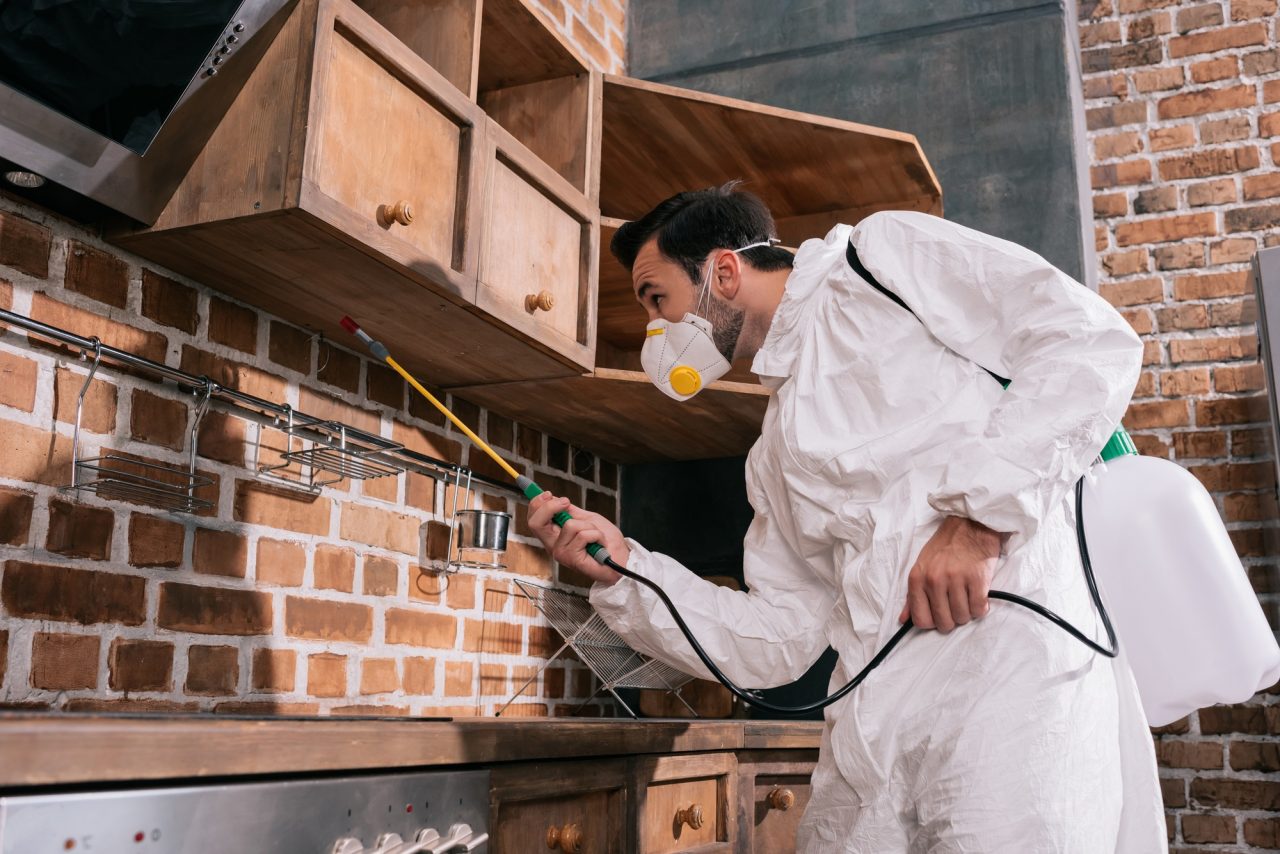
Professional inspection to detect visible and hidden mold growth, ensuring a safe and healthy living environment for your family.
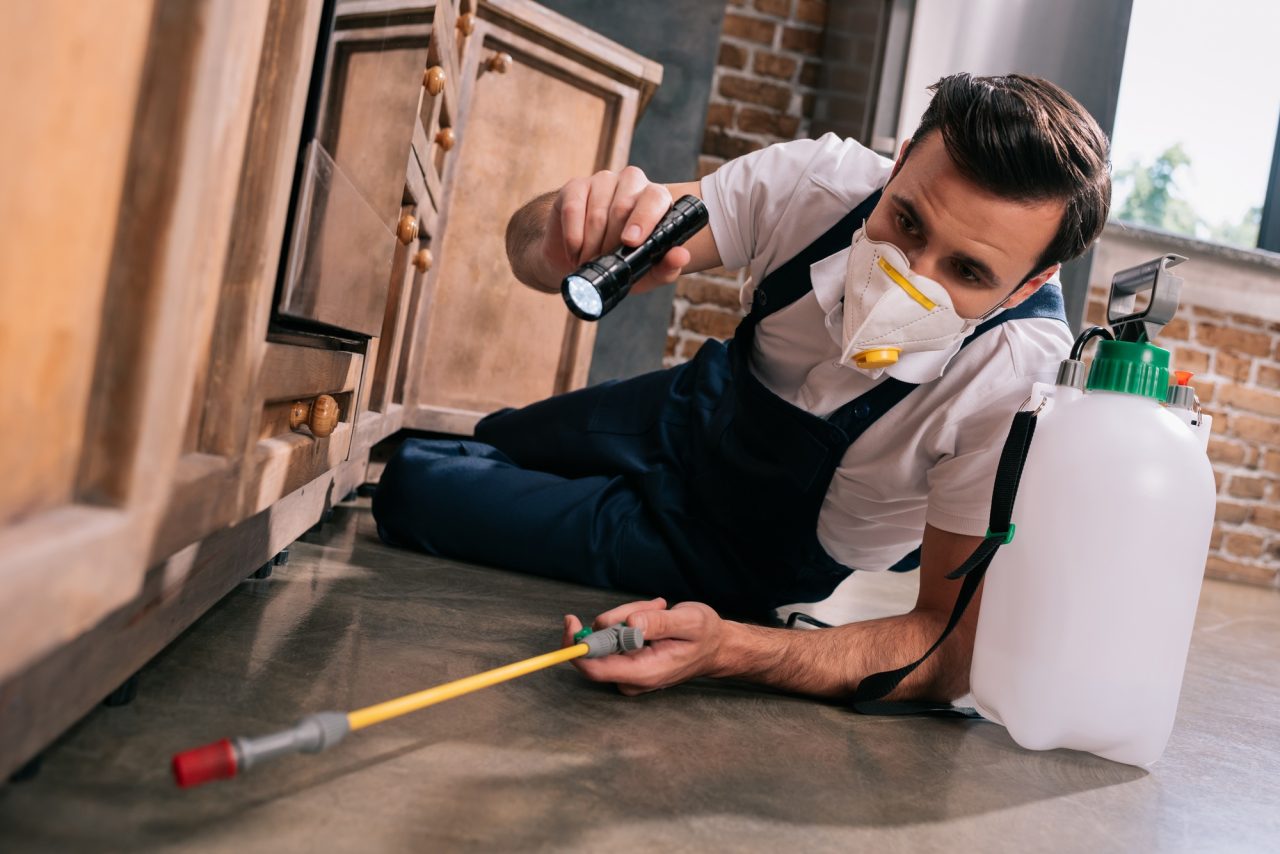
Comprehensive mold removal services for offices, buildings, and industrial spaces designed to maintain clean indoor air quality.

Accurate testing and analysis to identify mold spores and assess the air quality in your home or workplace.
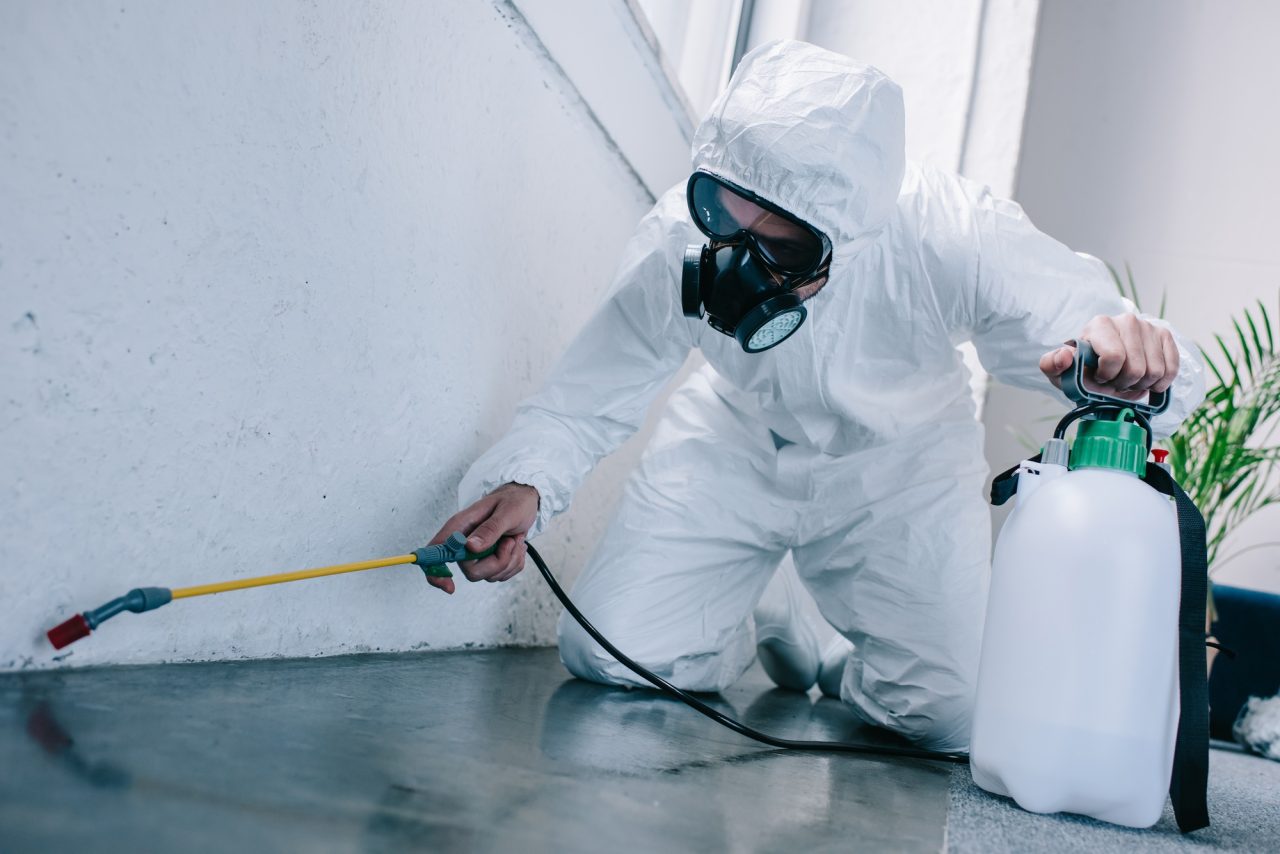
Advanced tools to identify sources of excess moisture and prevent future mold growth.
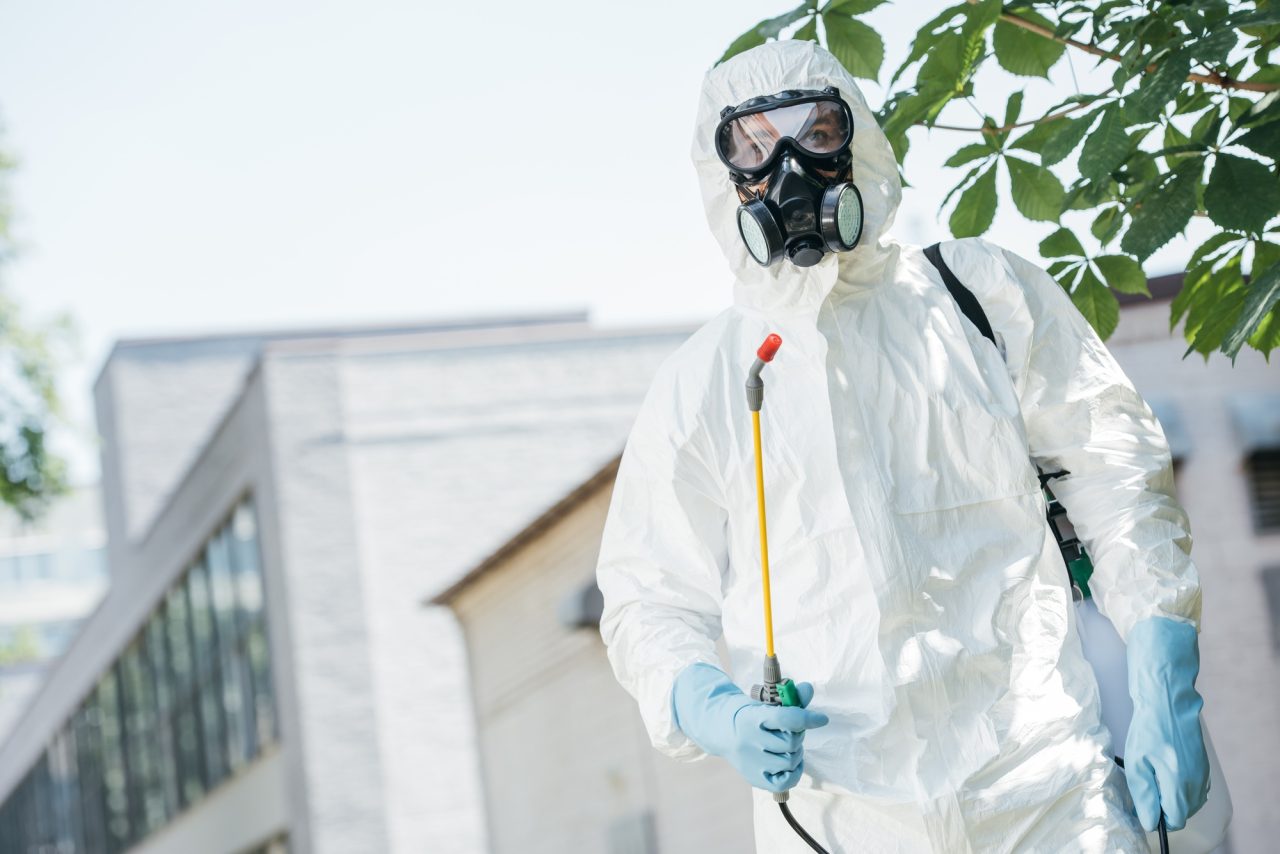
Fast-response remediation services available for urgent mold issues caused by flooding, leaks, or high humidity.
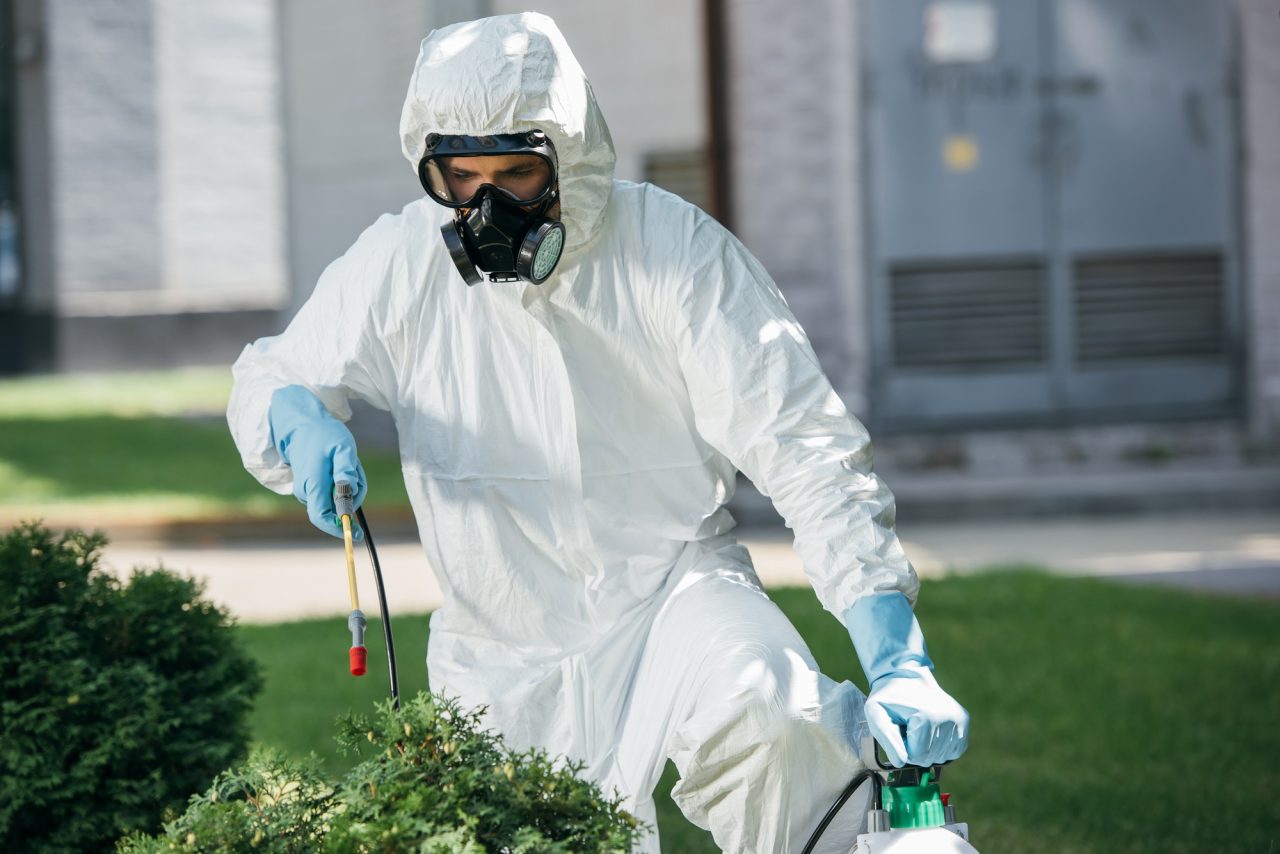
Safe, non-toxic products and sustainable cleaning methods that protect both your health and the environment.
Areas Served
Need More Help?
Our team is ready to provide expert mold removal assistance.
Get personalized guidance from our certified mold specialists to assess your situation and recommend the right service.
Need immediate mold inspection or removal? Submit a service request and our team will respond promptly.
For ongoing remediation projects or post-service maintenance, our support team is here to help.
Read our latest guides and articles on mold prevention, indoor air safety, and home maintenance.
Trusted by 25,000+ world-class brands and organizations of all sizes