
Welcome to EverClean Mold Removal
Mold Remediation Fort Myers
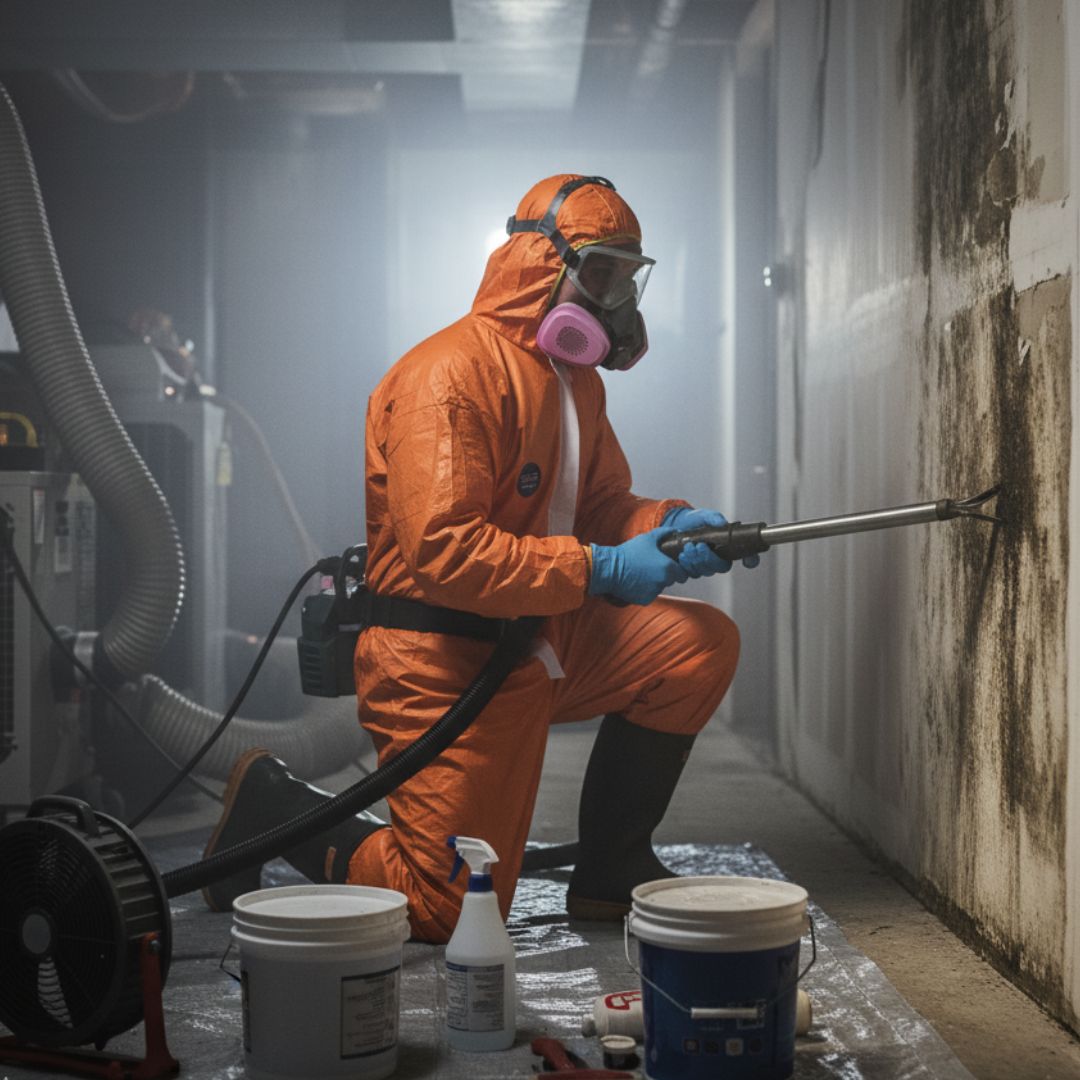
15+
Who we are
Get to Know the Experts Behind EverClean Mold Removal.
Dedicated to restoring healthy, mold-free spaces for over 15 years.
7 Simple Steps Mold Remediation Professionals Fort Myers FL Use to Safely Remove Mold from Wood
Properly removing mold from wood requires care, precision, and the right tools to avoid damaging the surface or spreading mold spores. Follow these seven steps to ensure safe and effective removal of mold from wood surfaces in your home.
1. Assess the Extent of the Mold Growth
Before starting, evaluate the severity of the mold infestation:
– Surface Mold: Appears as dark spots or stains on the wood’s surface and is easier to clean.
– Deep-Seated Mold: Often penetrates deeper into porous wood and may require more extensive treatment or professional assistance.
Take note of areas impacted to determine whether you can handle it yourself or need expert services.
2. Gather Protective Equipment
Mold can release harmful spores, so personal protection is essential during removal:
– Wear gloves made of rubber, vinyl, or nitrile.
– Use an N95 respirator mask or similar for respiratory protection.
– Cover your eyes with safety goggles to prevent irritation.
Additionally, wear old clothes that can be washed immediately after use.
3. Ventilate the Area Properly
Always work in a well-ventilated area to prevent inhaling mold spores directly: – Open windows and doors for airflow. – Use fans strategically to push air outside rather than circulating it within indoor spaces.
Avoid removing mold in poorly ventilated areas as this can increase health risks.
4. Clean Loose Debris from the Wood Surface
Begin by gently brushing or vacuuming loose debris from the affected area:
– Use a soft-bristled brush for light dusting without scratching the wood. – For tougher debris, use a vacuum cleaner equipped with a HEPA filter to trap spores effectively.
Dispose of vacuum contents in a sealed bag immediately after cleaning.
5. Prepare Your Cleaning Mixture
| Cleaning Solution | Application Notes |
| White Vinegar (Undiluted) | An effective natural option; safe for most types of wood. |
| Baking Soda & Water Paste | Ideal for light scrubbing on stubborn spots. |
| Commercial Mold Remover | Ensure compatibility with wooden surfaces before use. |
Avoid using bleach on porous wood surfaces as it may be ineffective and cause discoloration.
6. Scrub Affected Areas Thoroughly
Using your chosen cleaning solution:
1. Apply using a spray bottle or damp cloth—do not oversaturate, as excess moisture can damage wood further. 2. Gently scrub with a soft-bristled brush until visible signs of mold are removed. 3. Wipe away residue with a clean cloth dampened with plain water.
Repeat if necessary but avoid over-scrubbing delicate wooden finishes.
7. Dry the Surface Completely
After cleaning: 1. Use clean towels to pat dry any remaining moisture. 2. Allow natural drying by increasing ventilation or using fans. 3. Ensure no humidity lingers in order to prevent future regrowth.
If mold persists despite following these steps, consider consulting professionals as deeper infestations may require advanced remediation techniques.
By adhering closely to these seven steps, you can effectively remove mold while protecting both your household’s health and preserving your wooden surfaces’ integrity over time.
Effective Mold Remediation Fort Myers: Key Differences Between Mold and Mildew on Wood
When it comes to preserving wood surfaces in your home, distinguishing between mold and mildew is crucial. While both are types of fungi that thrive in moist environments, they differ significantly in appearance, behavior, and impact on wood. Understanding these differences can help you take the right measures to address the issue effectively and prevent further damage.
Expert Tips for Mold Removal Fort Myers: How to Differentiate Mold from Mildew
- Typically appears as black, green, or dark brown patches on wood surfaces.
- Can have a fuzzy or slimy texture depending on its type and level of growth.
- Usually starts as white or gray powdery spots that can turn yellowish or darker over time.
- Tends to spread more evenly across surfaces compared to mold’s irregular growth patterns.
| Fungi Type | Color | Texture | Growth Pattern |
| Mold | Black, green, brown | Fuzzy or slimy | Irregular patches |
| Mildew | White, gray, yellowish | Powdery | Uniform spreading |
Understanding Mold Inspection Fort Myers: Key Areas Where Mold and Mildew Thrive
- Mold grows deeply into porous materials like untreated wood, compromising its structural integrity over time.
- Mildew, however, typically resides on the surface and is easier to clean without causing significant damage if addressed promptly.
Understanding Health Risks of Mold and Mildew During Water Damage Restoration Fort Myers FL
Addressing mold and mildew is not just about aesthetics—it directly impacts indoor air quality and health safety.
- Releases spores into the air that may trigger allergies or respiratory issues such as asthma.
- Certain types of mold (e.g., black mold) produce mycotoxins that can lead to severe health problems.
- Generally less harmful but can still cause allergy-like symptoms such as coughing or throat irritation if left untreated.
| Fungi Type | Health Impact |
| Mold | Severe allergies; respiratory issues; toxic reactions |
| Mildew | Mild allergic symptoms |
Understanding Mold Remediation Fort Myers FL: Protecting Wood from Damage
- Mold poses a greater threat to wood than mildew because it penetrates beneath the surface layer into wood fibers. Over time, this can weaken the structure of furniture or building materials.
- Mildew, while unsightly, rarely causes permanent damage as it remains on the surface.
Effective Fort Myers Mold Remediation Tips to Reduce Risk
- Maintain proper ventilation in rooms with high humidity (e.g., bathrooms, basements).
- Use a dehumidifier to keep indoor moisture levels below 50%.
- Inspect wooden furniture periodically for signs of discoloration or dampness.
- Treat outdoor wooden structures (like decks) with a protective sealant to limit moisture absorption.
Understanding these key differences allows you to manage fungi-related issues more efficiently while safeguarding your wooden surfaces from long-term harm. Proper identification ensures you take appropriate steps tailored specifically for either mold or mildew removal.
Effective Mold Remediation Fort Myers FL: Restoring Wood to Its Original Condition
Restoring wood affected by mold can seem daunting, but with the right approach, tools, and techniques, it is possible to remove mold and return wood to its original condition. Mold not only mars the appearance of wooden surfaces but may also compromise their structural integrity if left untreated. Below is a professional guide to aid in effectively removing mold while ensuring the wood remains intact.
Step 1: Assess the Severity of Mold Damage
Before proceeding with mold removal, evaluate the extent of the damage to determine if restoration is viable.
- Superficial Mold Growth: If mold has only developed on the surface of the wood, cleaning and treatment are typically sufficient.
- Deep Penetration: For cases where mold has deeply penetrated porous wood fibers, sanding or replacement might be necessary.
- Rotten Wood: If decay or rot has occurred due to prolonged exposure to moisture and mold, replacement is often unavoidable.
Step 2: Essential Supplies and Tools for Mold Removal
- Personal Protective Equipment (PPE): Gloves, goggles, N95 masks.
- Cleaning Solutions: White vinegar, hydrogen peroxide (3%), or specialized antifungal cleaners.
- Tools: Soft-bristled brushes, sanding tools (if needed), microfiber cloths.
- Additional Items: Spray bottles and vacuum with HEPA filter.
| Tool/Material | Purpose | Example |
| N95 Mask | Prevents inhalation of harmful spores | Safety Gear |
| White Vinegar | Effective natural antifungal cleaner | Cleaning Agent |
| HEPA Vacuum | Removes spores post-cleaning | Cleanup Tool |
Step 3: Ventilation Is Key
Mold thrives in damp environments with poor airflow. Ensure proper ventilation while working by opening windows or using fans. This not only prevents further growth but also reduces exposure to airborne spores during cleaning.
Step 4: Cleaning Surface-Level Mold from Wood
- Dry wipe using a microfiber cloth to remove loose spores.
- Spray white vinegar onto affected areas and let sit for one hour.
- Scrub gently with a soft-bristle brush in circular motions.
- Wipe clean with a damp cloth followed by drying using an absorbent cloth.
Step 5: Addressing Deeper Infestations in Porous Wood
- Apply hydrogen peroxide (3%) directly using a spray bottle.
- Let it sit for approximately 10 minutes before scrubbing lightly.
- Sand down affected areas if discoloration persists after cleaning.
- Clean dust particles after sanding using a HEPA vacuum.
Step 6: Treating and Sealing Restored Wood
- Use antifungal sprays or primers specifically designed for wood treatment as an added protection layer.
- Apply protective sealants like varnish or polyurethane on finished surfaces to safeguard against future moisture intrusion.
| Treatment Method | Benefit |
| Antifungal Spray | Prevents reoccurrence of mold |
| Sealants | Protects against moisture infiltration |
Tips for Long-Term Prevention
- Control indoor humidity levels (30%-50%) using dehumidifiers where necessary.
- Fix water leaks promptly to prevent excessive moisture exposure.
- Regularly inspect wooden furniture or structures in damp-prone areas like basements or bathrooms.
By diligently removing existing growth and implementing preventive measures, you can successfully restore your wooden surfaces while protecting them from future damage caused by harmful fungi like mold.
Comprehensive Guide to Mold Removal Fort Myers FL: 8 Effective Steps for Wood
Mold on wood surfaces not only affects the appearance of furniture, flooring, or structural components but can also pose health risks and compromise the integrity of the material. Proper removal is critical to ensure safety and prevent recurring issues. Below is a detailed guide on how to effectively remove mold from wood in eight comprehensive steps.
Step 1: Ensure Personal Safety with a Mold Specialist Fort Myers Expert
- Gloves: Nitrile or rubber gloves for hand protection.
- Respirator or Mask: A mask rated N95 or higher to filter airborne mold spores.
- Safety Goggles: To protect your eyes from spores.
- Protective Clothing: Long-sleeved shirts and pants that can be washed immediately after use.
Step 2: Identify the Type of Mold
- Surface Mold: Appears as a thin layer of discoloration (black, green, or white).
- Deep-Penetrating Mold: May create soft spots in wood or cause structural damage over time.
For extensive infestations or black mold (Stachybotrys chartarum), consult a professional.
Step 3: Gather Necessary Cleaning Supplies
| Cleaning Item | Purpose |
| Soft Brush | For scrubbing surface-level mold |
| Mild Detergent | To loosen dirt and remove minor stains |
| White Vinegar | A natural disinfectant for killing mold |
| Sandpaper (medium-grit) | To remove deep-seated mold |
| HEPA Vacuum | For removing loose debris |
| Plastic Sheeting | To cover unaffected areas during cleaning |
Step 4: Prepare the Area
To prevent cross-contamination, isolate the affected area by sealing doors and vents using plastic sheeting. Open windows if possible to improve ventilation while working. Ensure no furniture or items nearby are exposed to airborne spores during cleaning.
Step 5: Clean Surface-Level Mold
Apply a cleaning solution made of warm water and mild detergent onto affected areas using a sponge or cloth. Gently scrub with a soft brush to lift visible mold growth without damaging the wood grain.
- Mix equal parts white vinegar and water in a spray bottle.
- Spray directly onto moldy areas.
- Let it sit for about an hour before wiping clean with a damp cloth.
Avoid soaking wooden surfaces excessively as this can lead to moisture retention, which may encourage further fungal growth.
Step 6: Sand Down Deeply Affected Areas
- Use medium-grit sandpaper to carefully sand away infected sections.
- Regularly vacuum dust with a HEPA-filter vacuum cleaner during this process.
- Once finished, wipe down with a damp cloth soaked in vinegar solution for added disinfection.
Note: Do not attempt sanding if dealing with toxic black mold; hire professionals instead.
Step 7: Dry Thoroughly
- Use fans or dehumidifiers to thoroughly dry treated wooden surfaces.
- Allow air circulation around affected areas for at least 24–48 hours before reassembling furniture or applying finishes.
Monitoring humidity levels (aiming for below 50%) helps prevent future outbreaks.
Step 8: Apply Protective Measures
- Apply a protective sealant such as polyurethane varnish or oil-based paint.
- This creates a barrier against moisture penetration.
- Fix leaky pipes or roofs that contribute excess moisture.
- Use dehumidifiers in damp environments like basements or crawl spaces tied directly to wooden structures.
- Inspect wood periodically for signs of discoloration, warping, musty odors, etc., indicating potential fungal problems early on.
By following these steps methodically, you can effectively remove existing mold from wooden surfaces while mitigating risks associated with recurrence over time.
Everything You Need to Know About Mold and Its Impact on Wood
Mold is a common issue that can damage wood surfaces while potentially causing health concerns if left untreated. Knowing how mold develops, its types, and the risks it poses to wooden structures is essential for maintaining your home or workspace. This guide will help you understand everything about mold’s impact on wood and provide actionable knowledge for prevention and remediation.
What Is Mold and Why Does It Grow on Wood?
- Moisture exposure: Leaks from roofs, plumbing issues, or high humidity levels can saturate wooden surfaces.
- Poor ventilation: Lack of airflow allows moisture to linger, encouraging fungal growth.
- Flooding or water damage: Prolonged exposure to water creates an environment conducive to mold development.
Types of Mold Commonly Found on Wood
- Often appears slimy and greenish-black in color.
- Requires significant moisture to grow.
- Can produce allergens and irritants harmful to health.
- Powdery in texture with a white or grayish appearance.
- Easier to remove than black mold but still damaging over time.
- Typically seen as green patches with a fuzzy surface.
- Commonly found in humid areas with poor light exposure.
Risks Posed by Mold on Wood
- Structural damage: Over time, mold can break down the cellulose in wood, weakening its structural integrity.
- Health hazards: Exposure to mold spores may trigger allergic reactions, respiratory issues, and other health problems such as asthma.
- Aesthetic impact: Mold stains can ruin furniture or decorative wooden elements, requiring costly repairs or replacements.
Preventing Mold Growth on Wood
- Maintain indoor relative humidity levels between 30%–50% using dehumidifiers if necessary.
- Fix leaks promptly from plumbing systems or roofs.
- Ensure proper ventilation by using exhaust fans in areas prone to moisture (e.g., bathrooms and kitchens).
- Apply protective coatings like sealants or varnishes to exposed wood surfaces.
- Store firewood outdoors in dry conditions rather than indoors where it may contribute moisture.
Detecting Mold Early
| Indicator | Description |
| Musty Odor | A persistent earthy smell often signals hidden mold growth. |
| Staining | Discolored spots (black/green/white) visible on the surface. |
| Warped Wood | Excessive moisture absorption can cause warping over time. |
By recognizing early warning signs and taking immediate steps toward cleanup or professional consultation when necessary, you can minimize both health risks and property damage associated with mold on wood.
Our value
Your Trusted Partner for Professional Mold Removal & Remediation Solutions
We are committed to helping homeowners and businesses create safe, healthy, and mold-free environments. Our certified experts provide thorough inspections, advanced remediation, and long-term prevention to ensure lasting protection for your property.
To be the leading mold remediation company known for restoring safe indoor environments and improving the health and well-being of every client we serve.
To provide reliable, eco-friendly, and efficient mold removal services using advanced technology and industry best practices — ensuring your home remains clean, dry, and free from harmful mold.
What we offer
Customized Pest Control Plans for Homes and Businesses.
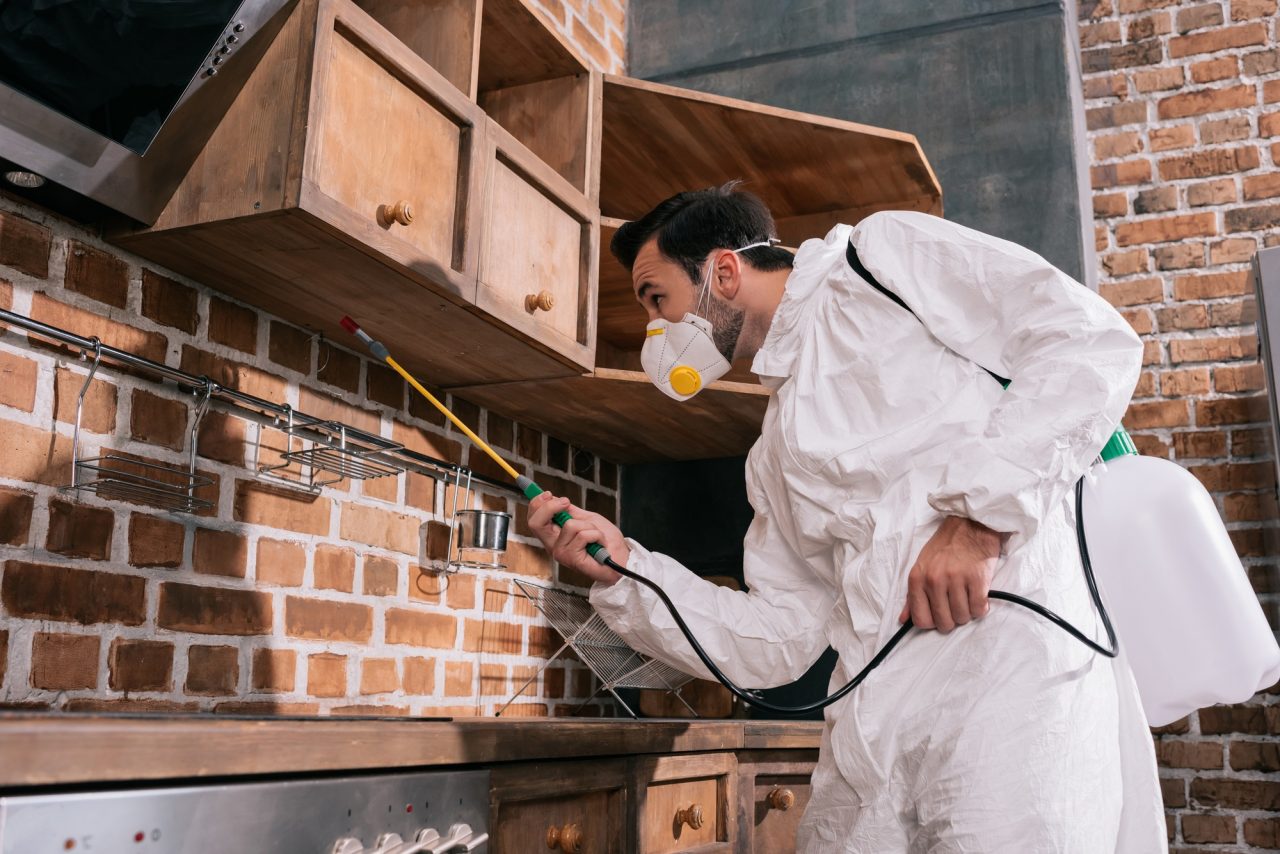
Professional inspection to detect visible and hidden mold growth, ensuring a safe and healthy living environment for your family.
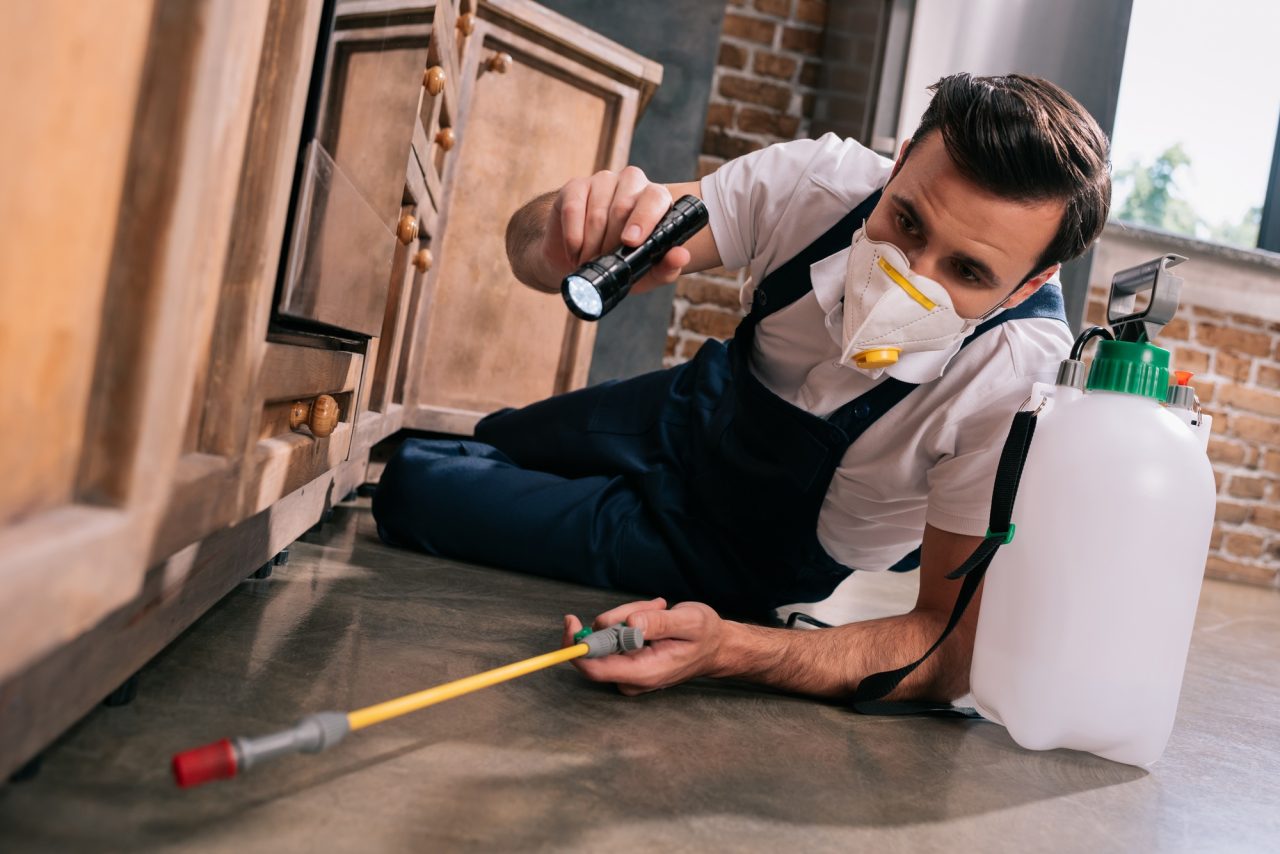
Comprehensive mold removal services for offices, buildings, and industrial spaces designed to maintain clean indoor air quality.

Accurate testing and analysis to identify mold spores and assess the air quality in your home or workplace.
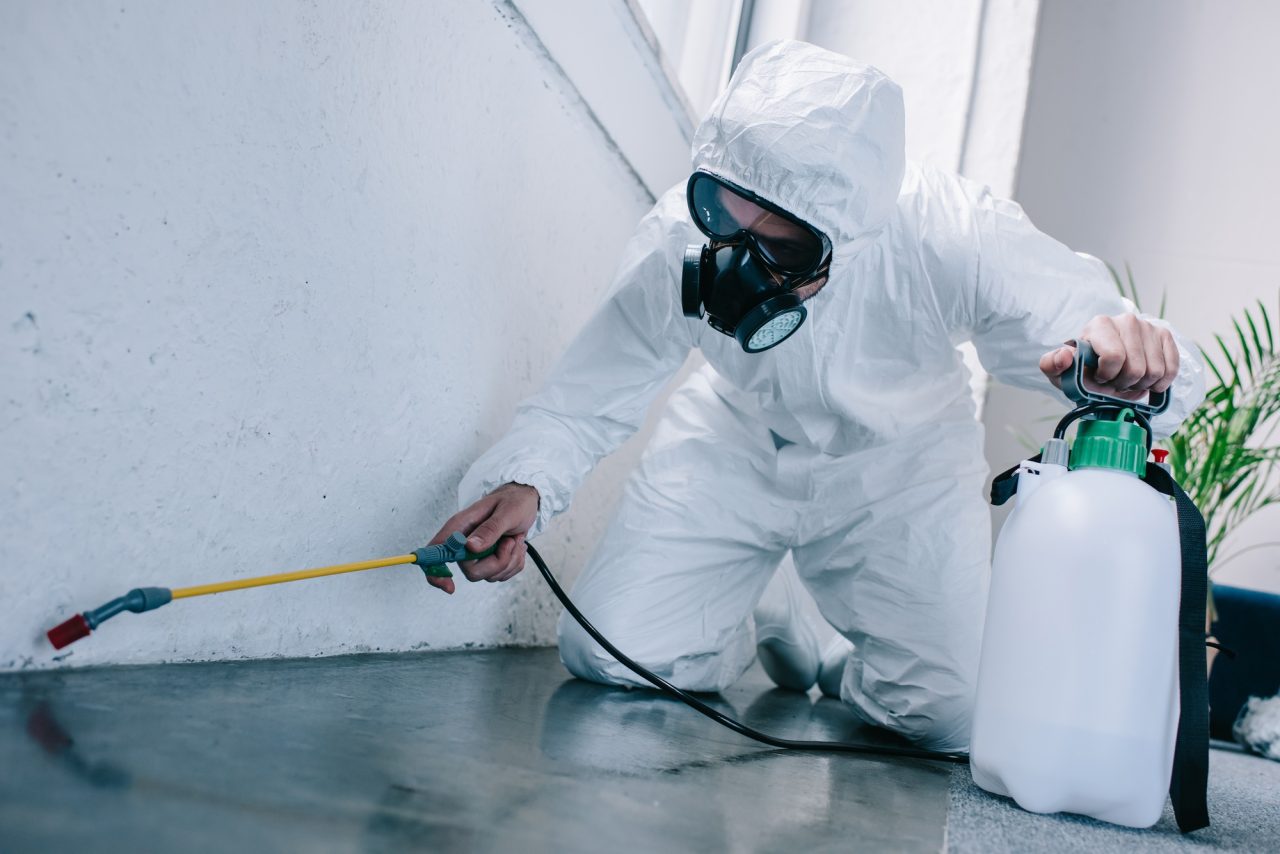
Advanced tools to identify sources of excess moisture and prevent future mold growth.
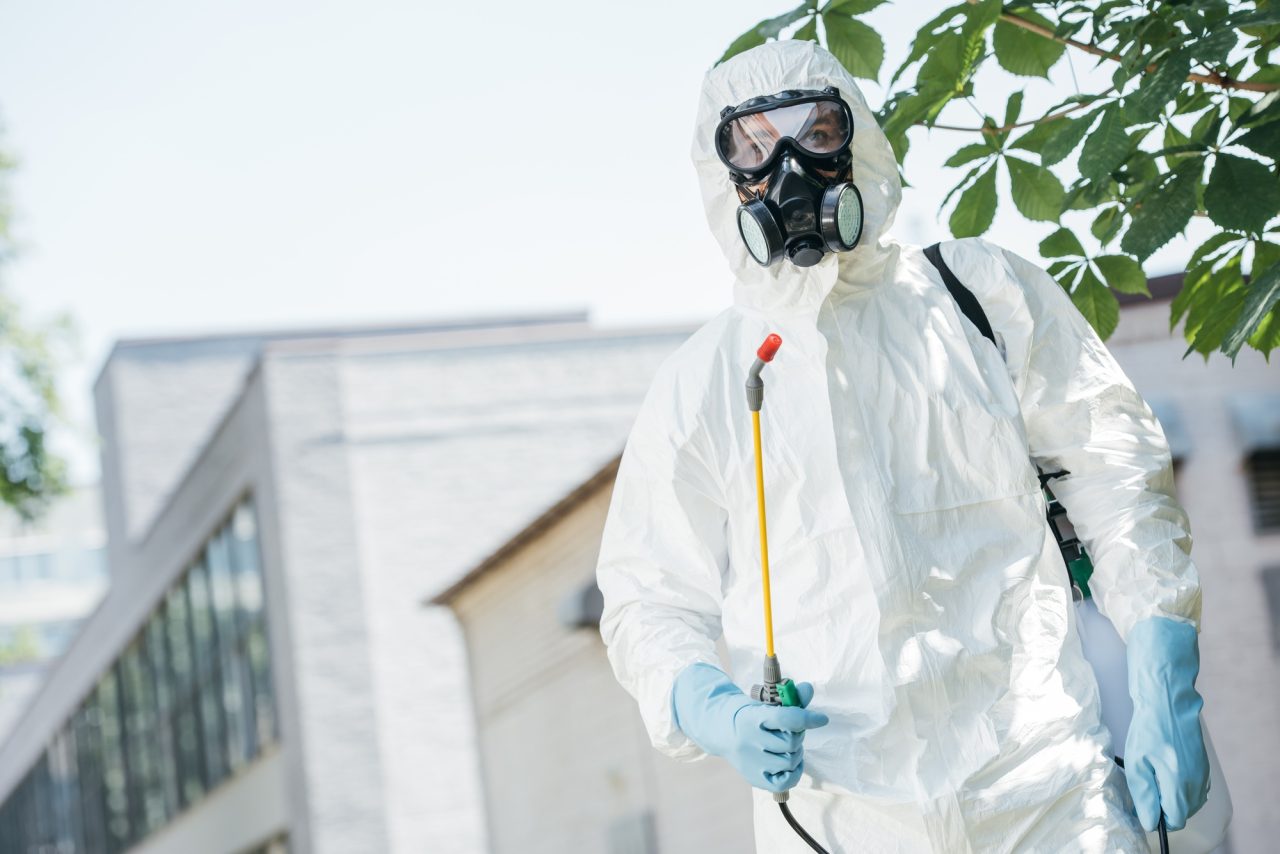
Fast-response remediation services available for urgent mold issues caused by flooding, leaks, or high humidity.
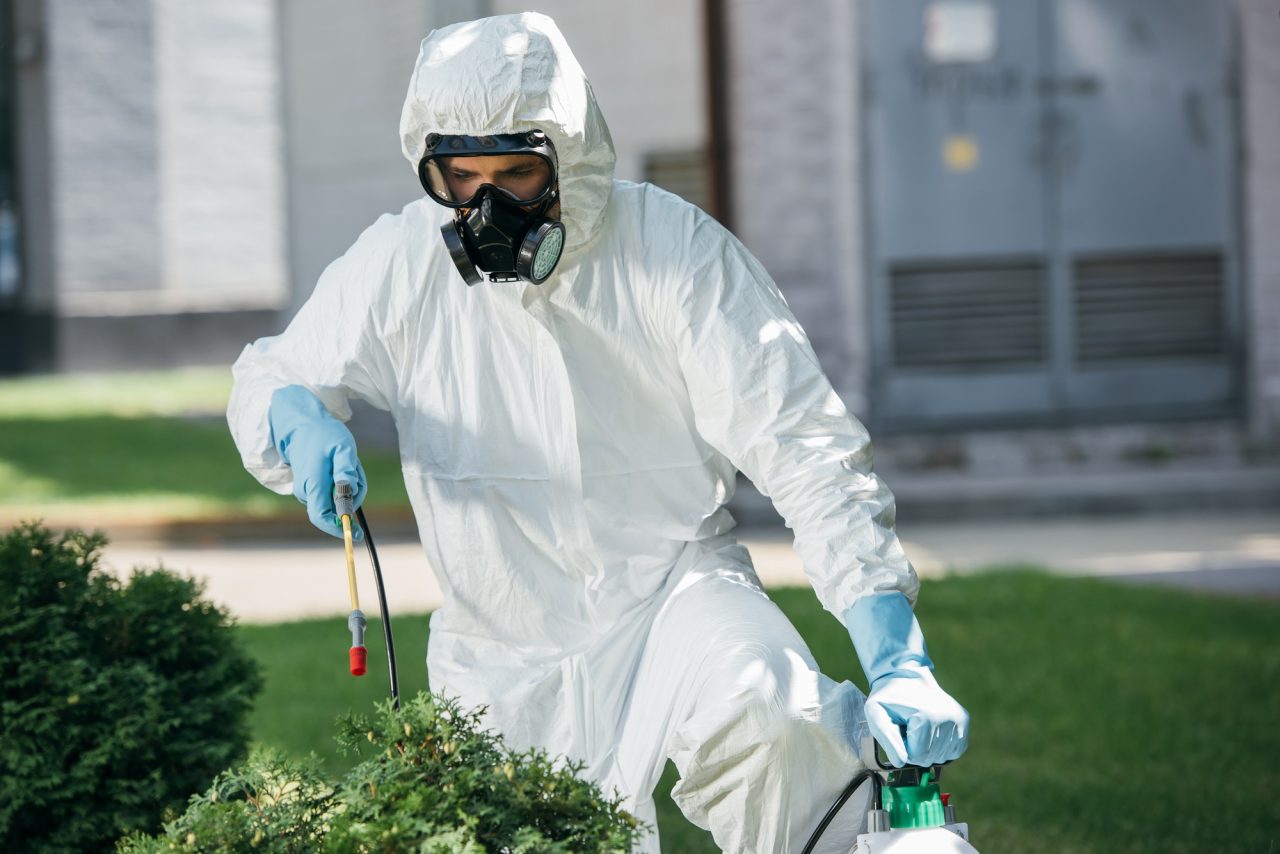
Safe, non-toxic products and sustainable cleaning methods that protect both your health and the environment.
Areas Served
Need More Help?
Our team is ready to provide expert mold removal assistance.
Get personalized guidance from our certified mold specialists to assess your situation and recommend the right service.
Need immediate mold inspection or removal? Submit a service request and our team will respond promptly.
For ongoing remediation projects or post-service maintenance, our support team is here to help.
Read our latest guides and articles on mold prevention, indoor air safety, and home maintenance.
Trusted by 25,000+ world-class brands and organizations of all sizes