
Welcome to EverClean Mold Removal
Mold Remediation Fort Lauderdale
15+
Who we are
Get to Know the Experts Behind EverClean Mold Removal.
Dedicated to restoring healthy, mold-free spaces for over 15 years.
Mold Remediation Professionals Fort Lauderdale FL: Does Vinegar Effectively Kill Mold and Mildew?
Mold and mildew are common household problems that can pose serious health risks if not addressed promptly. Many homeowners turn to natural remedies, such as vinegar, to tackle these issues. But how effective is vinegar in killing mold and mildew, and what are its limitations? Let’s explore its properties, benefits, and when it might fall short.
The Science Behind Vinegar for Mold Removal
Vinegar is an acidic substance with a pH of around 2.5, primarily composed of acetic acid. This acidity makes it an effective agent against certain types of surface mold by disrupting their structure and preventing growth. However, while vinegar can kill many surface-level fungi, it may not penetrate porous materials thoroughly enough to eliminate mold at its root.
- Non-porous surfaces like glass, tiles, countertops
- Light mold infestations on painted walls or sealed wood
- Porous materials such as drywall or untreated wood
- Mold colonies embedded deeply within the material
Key Benefits of Using Vinegar for Mold Removal
Vinegar is popular for mold removal because it is:
– Non-toxic: Safe for humans and pets when used correctly.
– Eco-friendly: Unlike chemical cleaners containing bleach or ammonia, vinegar does not release harsh pollutants into the environment.
– Cost-effective: A budget-friendly alternative to commercial cleaners. – Antimicrobial properties: Useful against a range of bacteria and fungi.
Comparing Vinegar to Other Cleaning Agents
| Feature | White Vinegar | Bleach | Commercial Mold Cleaners |
| Cost | Low | Moderate | Varies |
| Environmental Impact | Minimal | High | Moderate |
| Effectiveness on Porous Surfaces | Low | Low | Moderate/High |
| Safety for Home Use | High | Low (toxic fumes) | Varies |
While bleach may seem like a stronger option, it often only discolors mold rather than fully killing it on porous surfaces. Commercial products may provide deeper cleaning but can come with higher health risks due to chemical exposure.
Limitations of Using Vinegar on Mold
Despite its advantages, vinegar has limitations that should be considered:
1. Not Always Comprehensive: For extensive infestations or cases where spores have penetrated porous surfaces like drywall or insulation, vinegar alone will not suffice. 2. Odor: While the smell dissipates over time, some individuals find the initial odor unpleasant. 3. Potential Surface Damage: Prolonged exposure to undiluted vinegar may damage natural stone (e.g., granite) or marble surfaces.
Using vinegar effectively requires understanding these strengths and weaknesses—and knowing when to rely on professional assistance instead.
Effective Mold Remediation Fort Lauderdale: Using Vinegar to Safely Eliminate Mold and Mildew
Vinegar is a natural and cost-effective solution for removing mold and mildew from your home. Due to its acidic nature, vinegar can effectively kill certain types of mold spores while inhibiting their growth. However, for it to work efficiently, it must be used correctly. Below are the steps, tips, and precautions for safely using vinegar to eliminate mold and mildew.
Effective Tips for Mold Removal Fort Lauderdale Residents Can Trust
- Non-Toxic: Unlike chemical-based cleaners, vinegar is safe for both humans and pets when used properly.
- Affordable: White distilled vinegar is inexpensive and widely available.
- Environmentally Friendly: As a natural product, it doesn’t contribute harmful chemicals to the environment.
- Mold-Killing Properties: Its acetic acid content helps disrupt the survival of some molds and prevents regrowth.
Effective Mold Inspection Fort Lauderdale: Using Vinegar for Safe Mold Removal
- Ensure proper ventilation in the cleaning area by opening windows or using fans.
- Wear protective gear such as gloves, goggles, and a mask to avoid contact with spores.
- Use undiluted white distilled vinegar (preferably with 5%-8% acetic acid) as this works best against mold.
- Do not mix vinegar with bleach or ammonia as it can release harmful fumes.
- Pour undiluted vinegar into a spray bottle.
- Spray directly onto visible mold-affected areas (e.g., bathroom tiles, grout lines, walls). Saturate the surface thoroughly.
- Let the vinegar sit on the surface for at least 60 minutes without wiping it off immediately.
- This provides enough time for its acidic properties to penetrate mold spores.
- Use a scrub brush or sponge to clean off any residue after the waiting period.
- For porous surfaces like wood or drywall, avoid excessive scrubbing as this might damage the material.
- Wipe down non-porous surfaces with warm water if necessary.
- For porous materials like fabric or carpet, blot them gently but avoid overwetting as dampness can encourage more mold growth.
- Ensure all cleaned areas are completely dry using towels or fans since moisture encourages further mold growth.
Essential Tips for Water Damage Restoration Fort Lauderdale FL
- Regularly clean areas prone to high humidity (e.g., bathrooms) with diluted vinegar as a preventive measure.
- Store leftover vinegar in a cool place away from direct sunlight.
- Add a few drops of essential oils like tea tree oil or lavender oil before use.
- Ventilate properly; the odor will fade naturally within hours.
When Mold Remediation Fort Lauderdale FL Professionals Recommend Alternatives to Vinegar
| Surface/Material | Suitability | Notes |
| Porous materials (carpets/fabrics) | Low | May not fully penetrate deep-seated spores |
| Stone surfaces (marble/granite) | Not Suitable | Acidic nature may etch or corrode stone |
| Severe infestations | Limited | Professional help may be required |
Essential Safety Precautions for Fort Lauderdale Mold Remediation
To ensure safety during and after cleaning with vinegar:
– Avoid inhaling large amounts of vapor directly by wearing a mask during application. – Keep children and pets away from freshly sprayed areas until fully dry. – Test on an inconspicuous spot before applying on delicate materials like paint-coated wood.
Using vinegar is an excellent approach for small-scale mold removal projects that do not involve toxic chemicals while being safe for most households when applied correctly under proper precautions.
Effective Mold Remediation Fort Lauderdale FL: Using Vinegar to Safely Remove Mold or Mildew
Vinegar is a natural, non-toxic option for cleaning mold and mildew in your home. Due to its mild acidity, vinegar effectively inhibits the growth of many types of mold. If used properly, it can be a safe and eco-friendly solution for keeping your home clean and free from fungal growth. Below is a step-by-step guide on how to safely use vinegar for mold or mildew removal.
Why Vinegar Works on Mold
- Acidity: White distilled vinegar typically has an acetic acid concentration of around 5-8%, which creates an environment that many molds struggle to survive in.
- Antimicrobial Properties: Vinegar can kill certain bacteria, fungi, and other microbes, making it effective for surface-level mold issues.
- Non-Toxic Alternative: Unlike harsh chemical cleaners, vinegar does not release harmful fumes or residues, making it safer for homes with children or pets.
Steps to Safely Use Vinegar for Mold Removal
- Identify areas with visible mold growth or musty odors.
- Ensure the affected area is dry before starting; excess moisture can spread spores during cleaning.
- Gather Tools and Supplies
You’ll need: - White distilled vinegar
- Spray bottle (for easy application)
- Soft-bristled brush or sponge
- Microfiber cloths or paper towels
- Protective gloves and a face mask (to minimize exposure to spores)
- Pour undiluted white vinegar directly into a spray bottle. Avoid diluting with water since this reduces its effectiveness against mold.
- Spray the vinegar generously onto the affected surface.
- Let it sit for at least 60 minutes; this allows time for the acid to break down mold spores.
- Use a soft-bristled brush or sponge to scrub away visible mold residue.
- Be gentle on porous surfaces like wood but firm enough on nonporous areas such as tiles.
- For surfaces prone to damage by lingering acidity (e.g., some metals), wipe with a damp cloth after scrubbing.
- If no damage is likely, leaving some vinegar residue can help prevent future growth.
- Use microfiber cloths or allow ventilation in the room until all cleaned surfaces are fully dry. Mold thrives in moisture; drying prevents recurrence.
Tips for Using Vinegar Effectively
- Apply vinegar regularly as part of maintenance cleaning in high-moisture areas like bathrooms and kitchens.
- Avoid using vinegar on certain materials such as natural stone (e.g., granite, marble) since its acidity may cause etching.
- Combine vinegar with baking soda as a secondary step if you need additional scrubbing power—but avoid mixing them directly beforehand as they neutralize each other’s effectiveness.
Pros and Cons of Using Vinegar
| Pros | Cons |
| Eco-friendly | May not remove deep-rooted mold |
| Affordable | Can damage natural stone surfaces |
| Safe around children/pets | Strong odor during application |
When Is Vinegar Not Enough?
While vinegar works well on small areas of surface-level mold, it may not be sufficient for larger infestations or when dealing with black mold (Stachybotrys). In these cases:
– Consider alternative methods such as hydrogen peroxide solutions or professional-grade cleaners. – Consult professionals if the problem persists after multiple attempts at treatment.
By following these guidelines, you can safely use vinegar as an effective tool against minor cases of household mold while maintaining an environmentally conscious approach to cleaning tasks at home.
Effective Mold Removal Fort Lauderdale FL: Avoiding Vinegar for Home Mildew Cleanup
Vinegar is a popular, natural cleaning solution known for its antifungal and antibacterial properties. While it can be effective in certain cases of mold and mildew removal, there are situations where using vinegar may not be the best approach. Understanding the limitations of vinegar ensures that you address mold growth safely and effectively without causing further damage to surfaces or compromising your health.
Surfaces That Can Be Damaged by Vinegar
- Stone Surfaces: Natural stones like marble, granite, or limestone can react negatively to vinegar. The acid can erode the polished surface, leading to dullness or even pitting over time. For stone countertops or floors, opt for a pH-neutral cleaner instead.
- Wooden Surfaces: While some types of sealed wood may tolerate diluted vinegar solutions, untreated or delicate wood can absorb the acidic liquid. This can cause discoloration or warping in the material over time.
- Metallic Surfaces: Certain metals like aluminum or copper may corrode when exposed to acidic solutions such as vinegar. Regular exposure might lead to tarnishing or weakening of these materials.
Locations Where Vinegar May Be Ineffective
- Porous Materials
Mold often thrives on porous materials like drywall, insulation, carpets, and upholstery. In these cases: - Vinegar cannot penetrate deeply enough into porous surfaces to completely eliminate mold colonies.
- Lingering moisture within these materials may allow mold spores to regrow despite initial cleaning efforts.
- Extensive Mold Growth
If a mold infestation covers an area larger than 10 square feet (as per EPA guidelines), DIY methods—including vinegar—are insufficient for thorough removal. Professional remediation is often necessary in such cases. - Mold on Painted Walls
Using vinegar on painted walls may damage the paint finish over time if applied directly without dilution. Additionally: - It may not fully address hidden mold growth beneath layers of paint.
Alternatives for Sensitive Areas
For areas where vinegar is not appropriate or effective, consider these safer alternatives: – Use baking soda mixed with water for gentle cleaning on porous surfaces. – Hydrogen peroxide (3%) is a non-toxic option that works well on hard-to-reach spots and disinfects effectively without damaging most materials. – Commercial enzyme-based cleaners are specifically designed to target mold spores while being safe on various surfaces.
| Surface/Material | Suitable Alternative Cleaner | Notes |
| Natural Stone | pH-neutral stone cleaner | Avoid acidic cleaners like lemon juice as well. |
| Untreated Wood | Mild dish soap + water | Test on an inconspicuous area first |
| Porous Materials (e.g., drywall) | Professional remediation | Replace heavily infested drywall when necessary |
Assessing When Not To Use Vinegar
- Inspect all affected areas thoroughly to determine whether they are safe for DIY treatment.
- Consider professional help if you suspect pervasive contamination within walls, ceilings, HVAC systems, or other hidden spaces.
By avoiding inappropriate use of vinegar and choosing suitable alternatives based on your specific situation, you’ll better ensure safe and effective mold remediation throughout your home without unintended damage.
When to Call a Mold Specialist Fort Lauderdale Instead of Using Vinegar for Mold Removal
While vinegar is often touted as an inexpensive and natural solution for mold and mildew removal, it’s not a universal remedy. There are specific areas and surfaces where vinegar may not be suitable due to its limitations or the nature of the material. Understanding where not to use vinegar for mold remediation can help prevent damage to your belongings, preserve surface integrity, and ensure effective mold removal.
1. Porous Surfaces
- Drywall
- Upholstery
- Carpeting
- Wood with untreated finishes
Porous materials absorb moisture, which means that while vinegar may clean the surface layer of the material, mold spores can remain embedded deep within. This can lead to recurring mold problems if not addressed properly.
Tip: For porous surfaces like fabrics or drywall, consider using specialized cleaning products designed to kill mold at the root or seek professional assistance.
2. Stone Surfaces
Natural stone surfaces such as granite, marble, or limestone should never be cleaned with vinegar. Vinegar is acidic (typically with a pH of around 2–3), which can cause etching on stone surfaces over time by wearing away their protective sealants and weakening their structure.
Safer Alternatives for Stone Cleaning: | Surface | Recommended Cleaner | |—————-|———————————-| | Granite | Mild dish soap diluted in water | | Marble | pH-neutral stone cleaner | | Limestone | Specialized limestone cleaner |
Always test cleaning solutions on a small area before widespread application.
3. Metal Surfaces Susceptible to Corrosion
- Aluminum: Vinegar can corrode aluminum over time.
- Cast Iron: Using vinegar regularly on cast iron cookware or fixtures may strip away seasoning layers.
- Copper and Brass: Prolonged exposure can tarnish these metals.
For these materials, opt for gentler solutions specifically designed for metal cleaning.
4. Electronics and Electrical Systems
- Causing short circuits
- Introducing excess moisture that promotes further microbial growth
In situations involving mold near electrical systems, consult experts who have experience handling such delicate environments safely.
5. Areas with Extensive Mold Growth
If you’re dealing with large-scale infestations (typically covering more than 10 square feet), using homemade solutions like vinegar might be insufficient due to its limited effectiveness against certain strains of mold. Professional-grade products or remediation services are better suited for extensive contamination because they ensure thorough removal while minimizing health risks caused by airborne spores during cleanup.
Final Thoughts
Although vinegar has proven benefits for addressing minor cases of mold and mildew on specific surfaces, it’s not a one-size-fits-all solution. Misapplication could lead to damaged materials or ineffective results that exacerbate underlying issues. By understanding where not to use vinegar—such as porous items, sensitive stone surfaces, certain metals, electronics, and large-scale infestations—you’ll be better equipped to protect your home while maintaining its structural integrity during cleanup efforts.
Our value
Your Trusted Partner for Professional Mold Removal & Remediation Solutions
We are committed to helping homeowners and businesses create safe, healthy, and mold-free environments. Our certified experts provide thorough inspections, advanced remediation, and long-term prevention to ensure lasting protection for your property.
To be the leading mold remediation company known for restoring safe indoor environments and improving the health and well-being of every client we serve.
To provide reliable, eco-friendly, and efficient mold removal services using advanced technology and industry best practices — ensuring your home remains clean, dry, and free from harmful mold.
What we offer
Customized Pest Control Plans for Homes and Businesses.
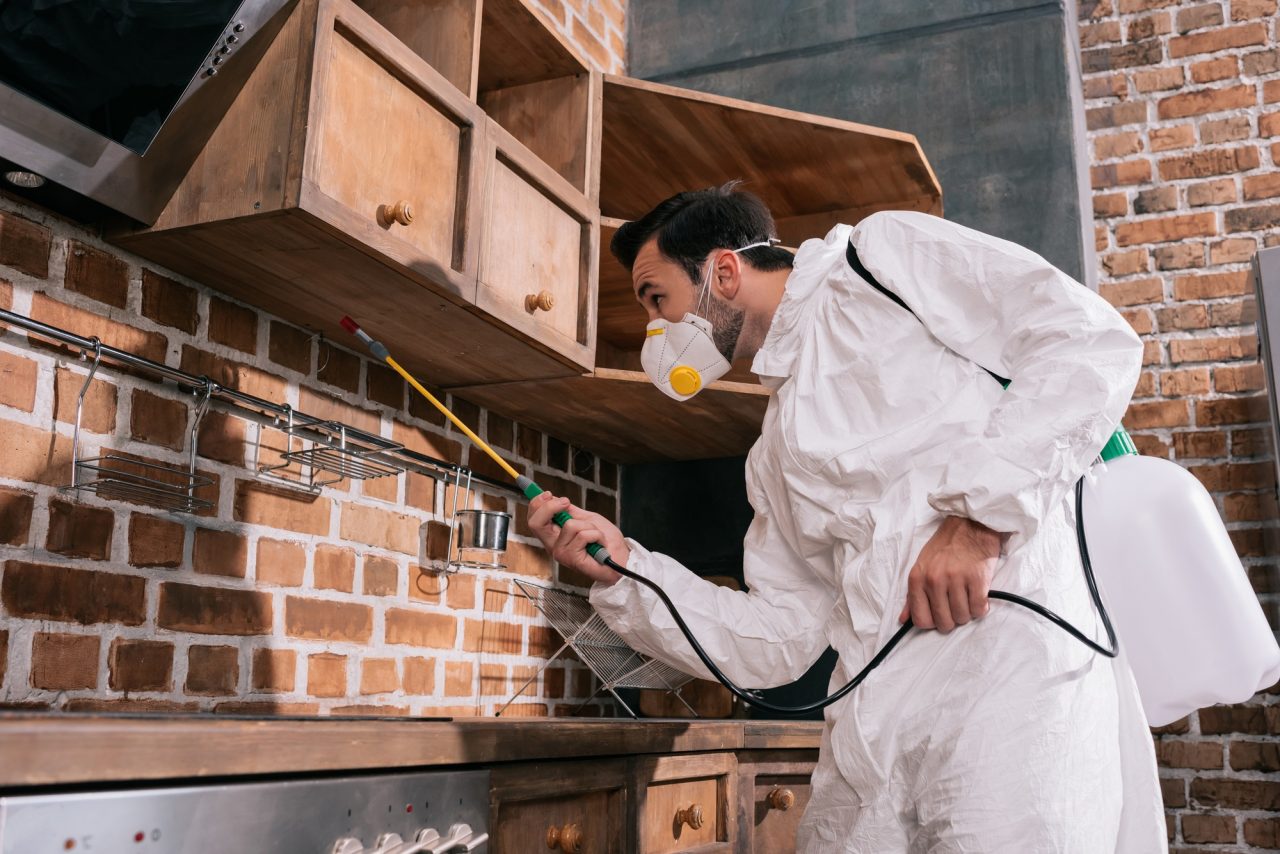
Professional inspection to detect visible and hidden mold growth, ensuring a safe and healthy living environment for your family.
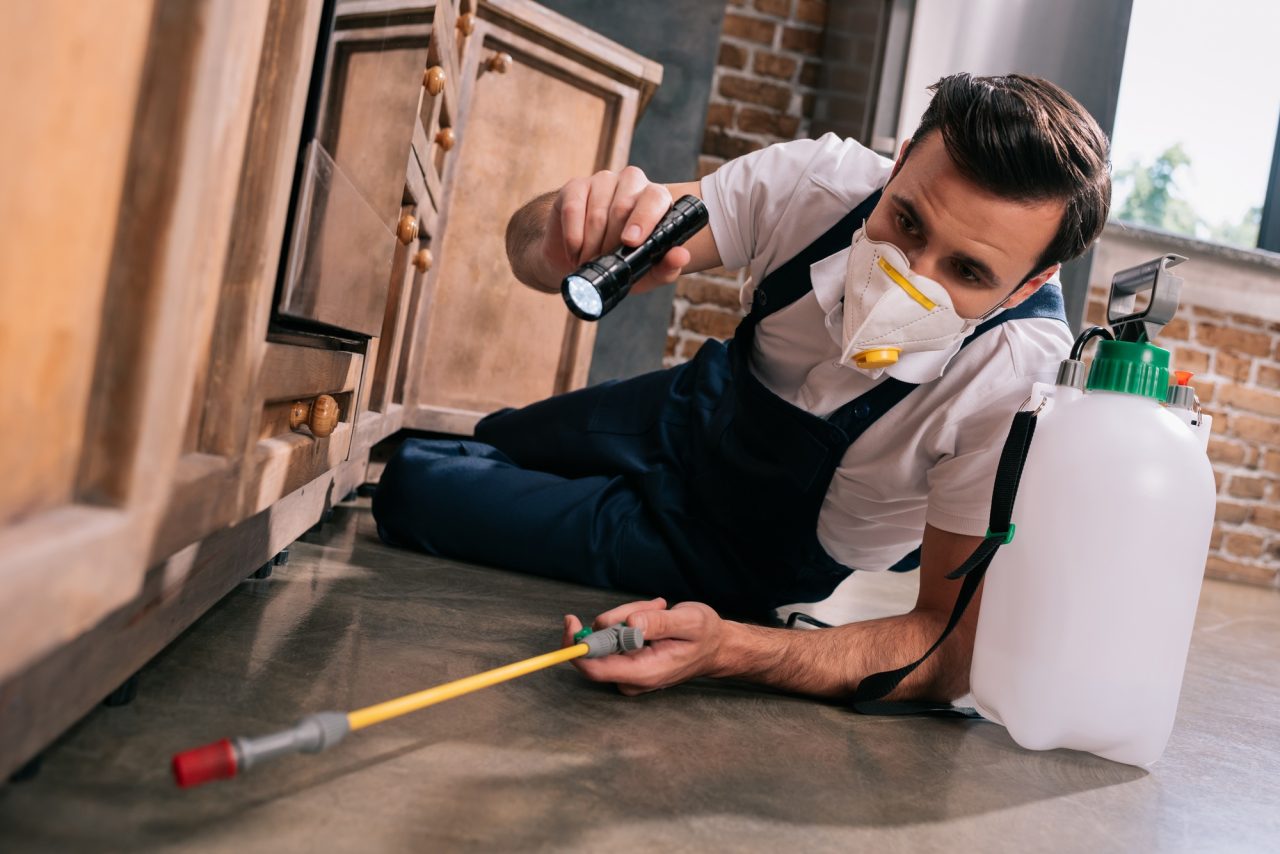
Comprehensive mold removal services for offices, buildings, and industrial spaces designed to maintain clean indoor air quality.

Accurate testing and analysis to identify mold spores and assess the air quality in your home or workplace.
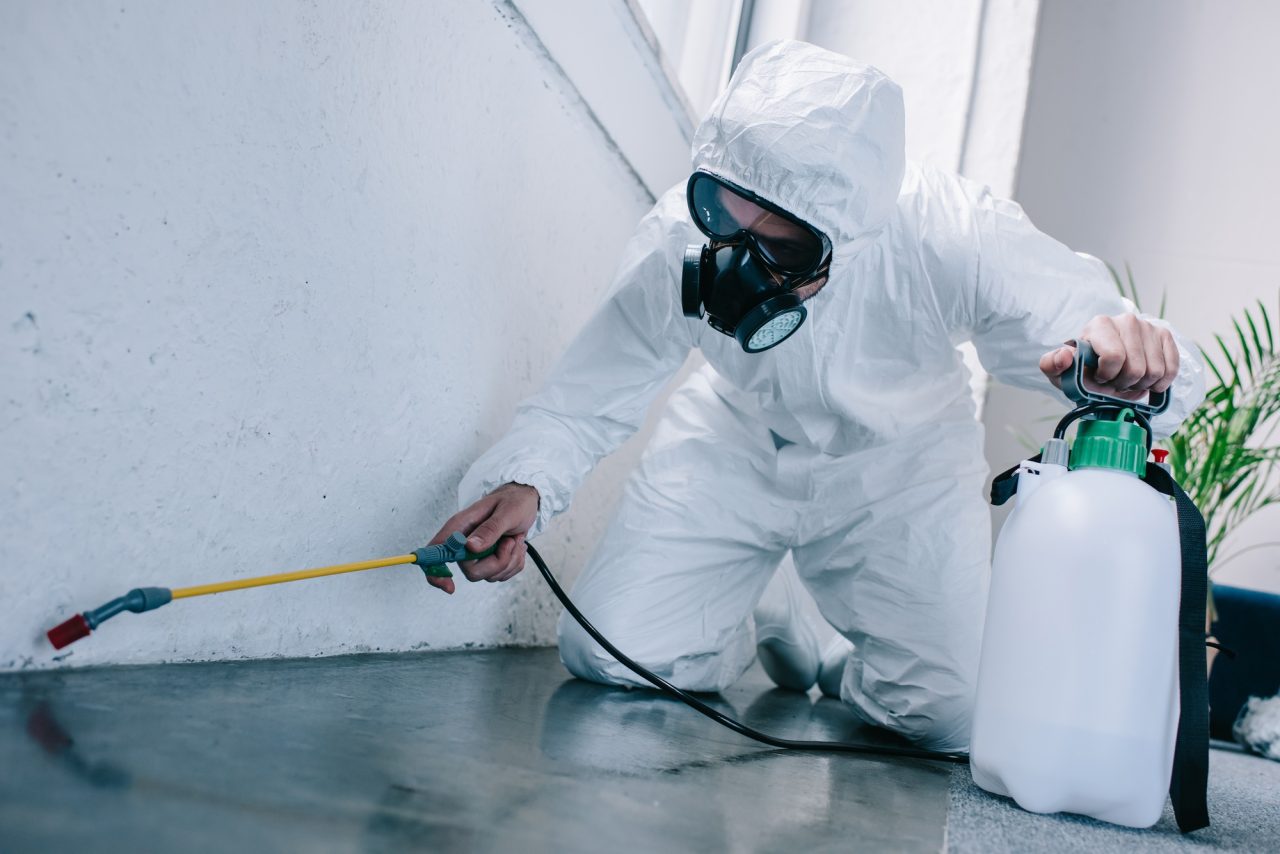
Advanced tools to identify sources of excess moisture and prevent future mold growth.
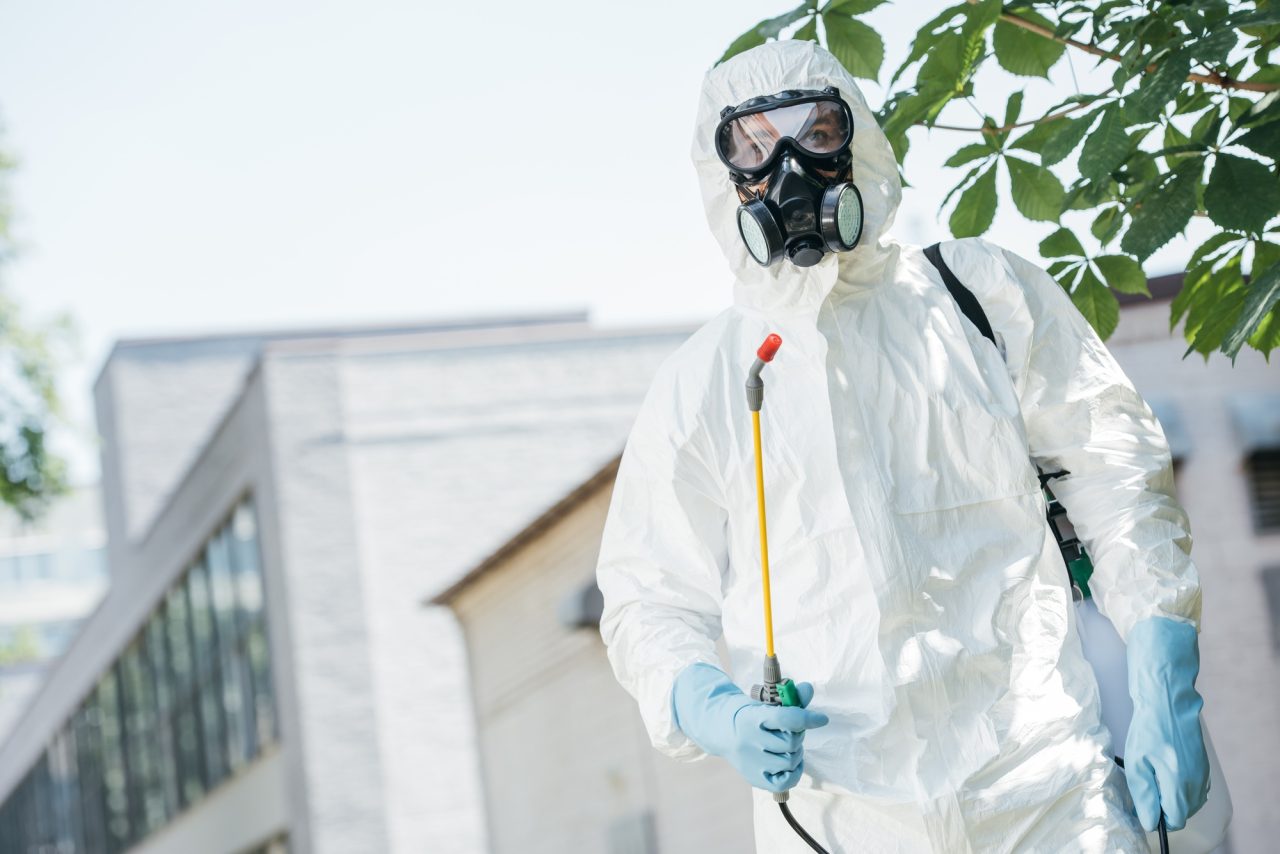
Fast-response remediation services available for urgent mold issues caused by flooding, leaks, or high humidity.
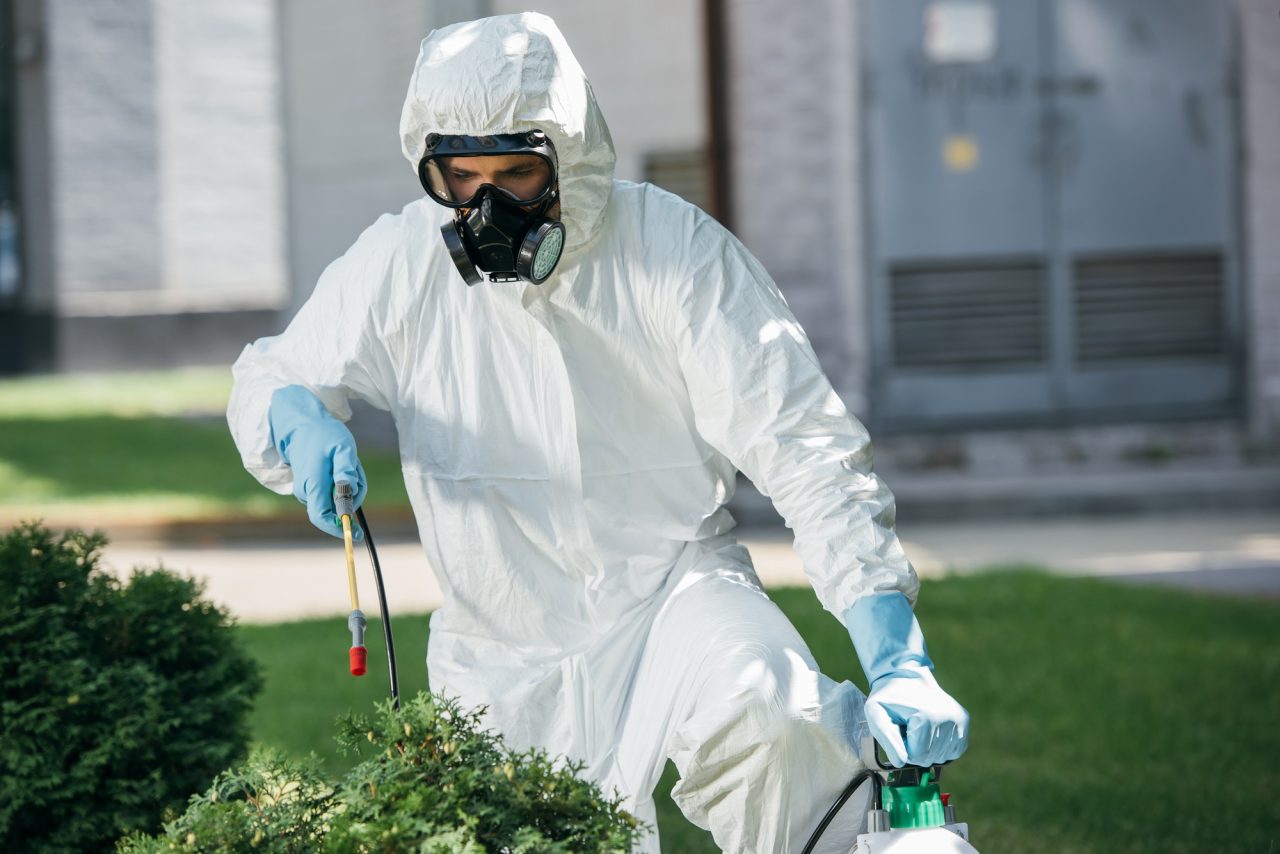
Safe, non-toxic products and sustainable cleaning methods that protect both your health and the environment.
Areas Served
Need More Help?
Our team is ready to provide expert mold removal assistance.
Get personalized guidance from our certified mold specialists to assess your situation and recommend the right service.
Need immediate mold inspection or removal? Submit a service request and our team will respond promptly.
For ongoing remediation projects or post-service maintenance, our support team is here to help.
Read our latest guides and articles on mold prevention, indoor air safety, and home maintenance.
Trusted by 25,000+ world-class brands and organizations of all sizes