
Welcome to EverClean Mold Removal
Mold Remediation Davie
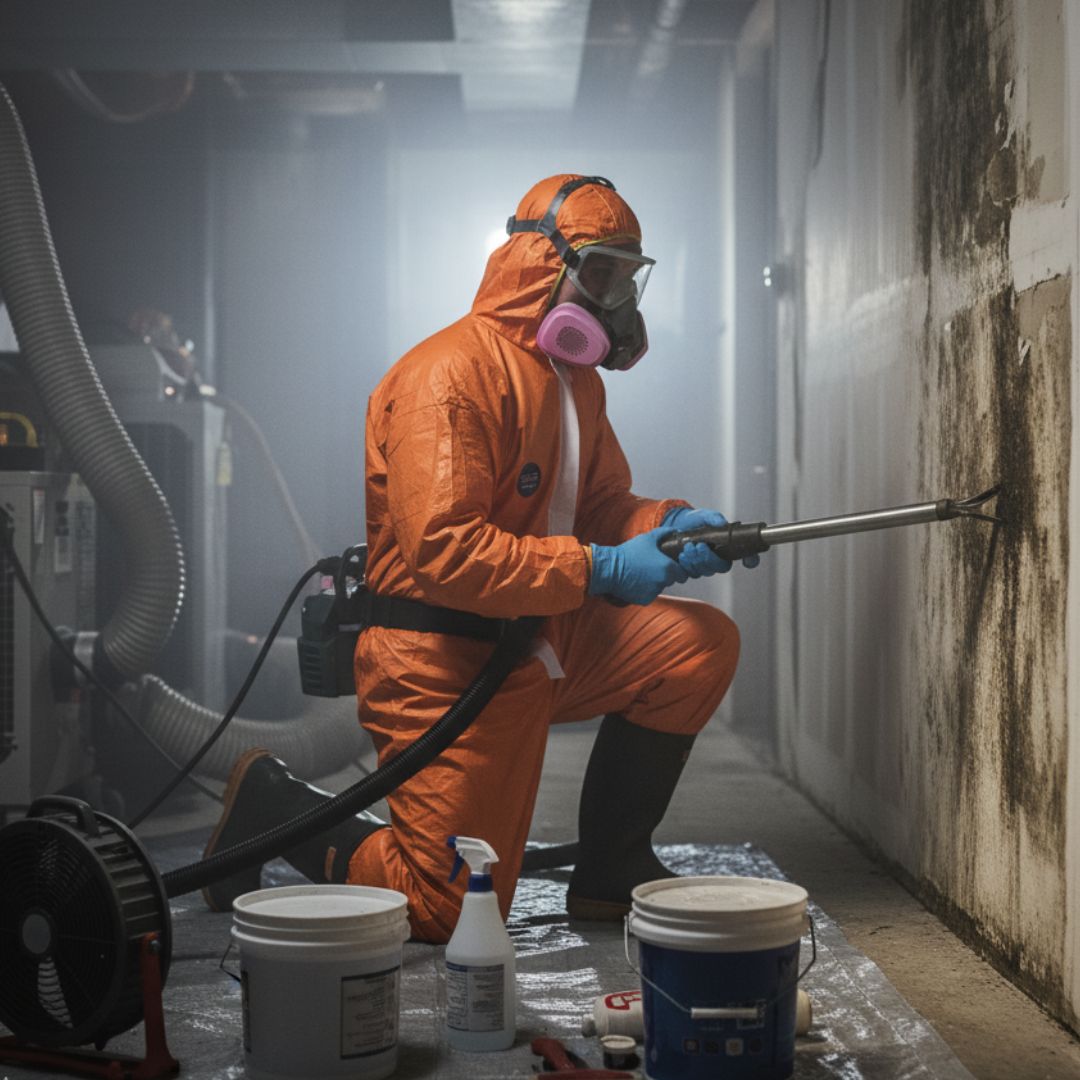
15+
Who we are
Get to Know the Experts Behind EverClean Mold Removal.
Dedicated to restoring healthy, mold-free spaces for over 15 years.
Expert Mold Remediation Professionals Davie FL: How to Remove Mold from Every Surface in Your Home
Mold is a common household problem that can lead to serious structural damage and health concerns if left untreated. Tackling mold properly requires knowledge of different surfaces and the right tools. This guide will help you expertly remove mold from every surface in your home, ensuring a safe and clean environment.
Understanding Mold Growth
Mold thrives in damp, dark, and humid environments. Common areas for mold growth include basements, bathrooms, kitchens, and poorly ventilated spaces. The key to effective mold removal is addressing both the visible mold and the underlying moisture issue.
Key factors that promote mold growth:
– High humidity levels (above 60%)
– Poor ventilation
– Leaking pipes or roofs
– Condensation on windows or walls
Necessary Tools and Materials
- Protective gloves, goggles, and an N95 respirator mask for safety
- Household detergent or a specialized antifungal cleaner
- White distilled vinegar (a natural alternative)
- Baking soda
- Scrub brushes with soft or medium bristles
- Microfiber cloths or sponges
- A vacuum with a HEPA filter
- Sealable plastic bags for disposing of contaminated materials
For extensive contamination or toxic black mold (Stachybotrys chartarum), it’s advisable to contact professionals as improper handling can spread spores further.
Steps to Remove Mold from Common Surfaces
- Walls (Painted or Drywall)
1. Identify the affected area and ensure proper ventilation by opening windows or using fans.
2. Mix one cup of bleach with one gallon of water or use white vinegar for a non-toxic option.
3. Apply the solution using a spray bottle or sponge and let it sit for 5–10 minutes.
4. Scrub gently with a brush to avoid damaging paint or drywall. Wipe clean with a damp cloth. - Tile Grout in Bathrooms
1. Create a paste using baking soda and water for scrubbing grout lines. 2. Apply the paste directly onto affected areas and let it sit for 15 minutes. 3. Use an old toothbrush to scrub away stains before rinsing thoroughly with warm water. - Upholstery and Fabrics
1. Vacuum any loose spores using a HEPA-filter vacuum. 2. Spot treat small areas by dabbing white vinegar onto the fabric. 3. Launder removable covers at high temperatures where possible. - Wood Surfaces (Furniture & Flooring)
1. Use minimal water to prevent further damage; lightly dampen a cloth with diluted dish soap or vinegar solution. 2. Gently clean the surface without soaking it. 3. For stubborn spots, use fine-grit sandpaper followed by resealing the wood.
Preventing Future Mold Growth
| Prevention Tips | Recommended Practices |
| Control Humidity | Use dehumidifiers; keep indoor humidity at 30–50%. |
| Improve Ventilation | Install exhaust fans in bathrooms/kitchens; open windows regularly. |
| Fix Leaks Quickly | Repair leaking roofs/pipes promptly before moisture spreads. |
| Regular Cleaning | Frequently clean surfaces prone to moisture buildup. |
Taking these steps will reduce the likelihood of recurring issues while promoting healthier indoor air quality throughout your home.
Comprehensive Guide to Mold Remediation Davie: Removal Techniques and Prevention Tips
Mold growth on walls can be unsightly and, more importantly, damaging to your home’s structural integrity and indoor air quality. Addressing mold issues promptly is essential to prevent its spread and mitigate potential harm. Below, we outline effective methods for removing mold from walls while minimizing damage.
Effective Tips for Mold Removal Davie Residents Need to Know
- Surface mold: Typically black or green, this type grows on non-porous surfaces like painted walls.
- Penetrating mold: Often seen as discoloration or staining on porous materials such as drywall or plaster.
- Stachybotrys (black mold): A toxic variety that requires careful handling due to its health risks.
If you suspect harmful molds like Stachybotrys, consider consulting a professional before beginning any cleaning process.
Preparing for a Thorough Mold Inspection Davie
- Rubber gloves
- Safety goggles
- A mask rated for mold spore protection (N95 or higher)
- Plastic sheeting for floor protection
- Scrub brushes or sponges
- Non-ammonia soap or detergent
- White vinegar
- Baking soda
- Hydrogen peroxide (for stubborn stains)
- A spray bottle
- Microfiber cloths
Effective Steps for Water Damage Restoration Davie FL: Removing Mold from Painted Walls
- Remove furniture and cover floors with plastic sheeting.
- Ensure proper ventilation by opening windows and doors.
- Mix a solution of warm water and non-ammonia soap in a bucket.
- Use a scrub brush soaked in the solution to gently clean affected areas. Avoid scrubbing too hard as it may damage paint.
- For light to moderate mold growth:
- Spray white vinegar directly onto affected areas.
- Allow it to sit for 1 hour before rinsing with water.
- Create a paste using baking soda and water.
- Apply it lightly, let dry, then rinse off with damp microfiber cloths.
- Dry Thoroughly
Ensure no moisture remains by wiping down walls with dry cloths or allowing air drying in a well-ventilated space.
Effective Mold Remediation Davie FL: Steps for Removing Mold from Drywall
- Cut away visibly damaged sections of drywall using a utility knife if the infestation has spread deeply.
- Clean remaining areas using hydrogen peroxide diluted in water (1 part hydrogen peroxide to 2 parts water). Apply sparingly using microfiber cloths—avoid oversaturating.
- Sand lightly if necessary after cleaning, then reapply primer/paint once thoroughly dried.
| Cleaning Solution | Best Used On | Application Notes |
| White vinegar | Painted walls | Effective at killing surface molds |
| Baking soda paste | Tough stains on painted surfaces | Gentle abrasive; safe on most paints |
| Hydrogen peroxide | Porous materials like drywall | Antifungal properties; use sparingly |
Effective Davie Mold Remediation and Future Prevention Strategies
- Control Humidity Levels
Use dehumidifiers where necessary to keep indoor humidity below 50%. - Fix Leaks Promptly
Repair plumbing leaks or cracks around windows that allow moisture inside. - Improve Ventilation
Install exhaust fans in bathrooms/kitchens and ensure proper airflow throughout your home. - Use Mold-Inhibiting Paints
When repainting cleaned areas, opt for paints with built-in antifungal properties to minimize future risk of growth.
By following these steps and maintaining vigilance against excess moisture buildup within your home environment, you can keep your walls free of harmful molds while preventing costly damage over time.
Expert Mold Remediation Davie FL: When to Call for Safe and Thorough Cleanup
Mold can pose serious health risks and cause significant property damage if not addressed properly. While small amounts of mold can often be handled with DIY methods, there are situations where hiring a professional mold removal company is the safest and most effective option. Here’s how to determine when it’s time to seek expert help, what you can expect from a professional service, and why it matters.
Situations That Require Professional Mold Removal
- If the mold covers an area of 10 square feet or larger, it might be too extensive for DIY efforts. Large-scale infestations often indicate underlying problems such as water leaks or high humidity levels that require specialized expertise to resolve.
- Persistent mold despite cleaning efforts suggests an unresolved source of moisture or inadequate remediation methods. Professionals can identify the root cause and ensure thorough removal.
- Mold growing in areas like behind walls, under flooring, or inside HVAC systems is difficult to detect and remove without proper equipment and training. Professionals use advanced tools like moisture meters, infrared cameras, and air quality testing devices to locate hidden mold.
- If household members experience health issues such as respiratory problems, allergies, or skin irritation that may be linked to mold exposure, it’s crucial to involve professionals who follow strict safety protocols during removal.
- Certain types of mold, such as Stachybotrys chartarum (commonly known as black mold), produce mycotoxins that require careful handling by experts trained in hazardous material remediation.
Benefits of Hiring a Professional Mold Removal Company
- Comprehensive Inspection
Professionals conduct detailed assessments to identify all affected areas and sources of moisture contributing to the problem. - Safe Containment
To prevent cross-contamination, professionals use containment measures such as sealing off affected areas with plastic sheeting or applying negative air pressure systems. - Thorough Removal
Specialized tools like HEPA vacuums and antimicrobial treatments ensure complete eradication without spreading spores. - Prevention Strategies
Experts provide insights into how you can prevent future outbreaks by addressing ventilation issues or improving drainage around your home. - Guaranteed Results
Many companies offer warranties for their services, giving you peace of mind knowing the issue has been resolved correctly.
Choosing the Right Mold Removal Professional
When selecting a company for mold remediation services: – Research their credentials: | Certification | Importance | |—————|————| | IICRC (Institute of Inspection Cleaning and Restoration Certification) | Ensures adherence to industry standards | | NAMP (National Association of Mold Professionals) | Indicates specialized expertise in mold removal |
- Do they perform post-remediation verification?
- Will they test air quality after cleanup?
- Read reviews or ask for references from previous clients.
Key Takeaways
Calling a professional is essential when dealing with extensive infestations, health concerns caused by toxic molds, or hidden growth that requires advanced detection methods. By relying on trained experts equipped with proper tools and techniques, you ensure not only safe removal but also effective prevention against future occurrences—protecting both your home and well-being long-term.
Comprehensive Guide to Mold Removal Davie FL: Protecting Your Wood and Home
Mold growth on wood is a common issue in homes, especially in areas where humidity levels are high. While wood is a durable material, it is porous, making it susceptible to mold infiltration. Removing mold from wood requires care and precision to avoid further damage to the surface or spreading spores to other parts of your home. Below is a comprehensive step-by-step guide to safely remove mold from wood surfaces.
Step 1: Assess the Extent of the Mold Growth
Before cleaning begins, inspect the affected area:
– Light Surface Mold: If the mold growth is minimal and just on the surface, it can often be cleaned without specialized equipment.
– Deep or Extensive Mold: For deep-seated mold within the wood or widespread contamination, professional assistance may be necessary.
Make sure to also evaluate whether the wood can still be salvaged if structural damage has occurred.
Step 2: Gather Necessary Supplies
To effectively remove mold without harming the wooden surface, you’ll need appropriate tools and materials:
– Protective gloves (rubber or nitrile) and goggles for safety.
– A face mask or respirator rated for mold spores (e.g., N95).
– Soft-bristled brushes for scrubbing without scratching the surface.
– Buckets for cleaning solutions and rinsing water.
– Cleaning agents such as distilled white vinegar, dish soap, or borax powder. Avoid harsh chemicals like bleach which can degrade wood fibers over time.
Step 3: Ventilate and Contain the Area
Proper ventilation minimizes exposure to airborne spores while preventing them from spreading elsewhere in your home:
1. Open windows and doors in rooms where cleaning will occur. 2. Use plastic sheeting to seal off unaffected areas if dealing with widespread contamination. 3. Place a fan near an open window directing air outwards (do not use fans near contaminated areas).
Step 4: Remove Loose Dust and Debris
Before applying any cleaning solution: – Use a dry brush or vacuum equipped with a HEPA filter to gently remove loose particles of dust or mildew from the wood’s surface. – Avoid aggressive scrubbing at this stage as it could spread spores further.
Step 5: Apply Cleaning Solution
The choice of cleaner depends on several factors including environmental impact and severity level: 1. For Mild Mold Growth: – Mix equal parts warm water with white vinegar. – Alternatively use soapy warm water involving mild dish detergent.
2 .For Persistent Stains Borax-based-ratio-table
Expert Tips from a Mold Specialist Davie on Safely Removing Mold from Wood
Mold on wood can be a serious issue, especially since wood is porous and can retain moisture, creating the perfect environment for mold growth. While removing mold from wood, it is crucial to avoid causing damage to the material. This guide provides a step-by-step approach to effectively clean wooden surfaces while preserving their integrity.
Tools and Materials You’ll Need:
- Protective gear (gloves, mask, safety goggles)
- Soft-bristled brush or sponge
- Vacuum cleaner with a HEPA filter
- Mild detergent or soap
- White vinegar
- Baking soda
- Distilled water
- Sandpaper (optional for untreated wood)
- Soft cloths or microfiber towels
Step 1: Safety First
Before starting the mold removal process, prioritize your health and safety by wearing protective equipment such as gloves, an N95 mask, and goggles. This will protect you from inhaling mold spores or coming into contact with them directly.
Step 2: Assess the Severity of the Mold Growth
Examine the wooden surface carefully. If the mold covers more than 10 square feet or has penetrated deep into structural wood (e.g., beams or floorboards), it’s best to consult a professional. For smaller areas of surface-level growth, you can proceed with DIY methods.
Step 3: Prepare the Area
To prevent spreading mold spores to other areas:
1. Seal off the room by closing doors and windows.
2. Remove surrounding items like furniture or rugs that could trap spores. 3. Use a vacuum cleaner with a HEPA filter to remove loose debris and spores from the surface of the wood.
Step 4: Clean Surface Mold
For Finished Wood (varnished or sealed):
1. Mix mild detergent with warm water in a bucket. 2. Dampen a soft cloth in the solution without soaking it. 3. Gently wipe down the affected area using circular motions. 4. Follow up by wiping with a damp cloth dipped in distilled water to rinse away soap residue.
For Untreated Wood:
1. Avoid over-saturating untreated wood as it absorbs water easily. 2. Sprinkle baking soda onto a damp sponge and gently scrub the area. 3. Use vinegar diluted with distilled water (1:1 ratio) for tougher spots. 4. Allow it to air dry completely after cleaning.
Step 5: Address Stubborn Mold Spots on Untreated Wood
If light cleaning doesn’t remove all traces of mold on untreated wood: 1. Lightly sand away persistent stains using fine-grit sandpaper. 2. Wipe away any dust created during sanding with a dry microfiber cloth. 3. Refinish or reseal the area if necessary to protect against future moisture issues.
Preventing Future Mold Growth on Wood
To keep your wooden surfaces free of mold in the future: – Control Humidity: Use dehumidifiers to maintain indoor humidity below 50%. – Improve Ventilation: Regularly open windows and use exhaust fans in high-moisture areas like bathrooms and kitchens. – Seal Wooden Surfaces: Apply sealants or finishes on untreated wood to create a barrier against moisture absorption.
| Preventive Measure | Recommended Action |
| Maintain Low Humidity | Use dehumidifiers and monitor levels |
| Fix Leaks Promptly | Repair leaks around windows/pipes |
| Regular Inspections | Check wooden furniture and structures regularly |
By following this guide carefully, you can remove mold from wooden surfaces while minimizing damage effectively—ensuring your home remains clean, safe, and free from harmful fungi over time.
Our value
Your Trusted Partner for Professional Mold Removal & Remediation Solutions
We are committed to helping homeowners and businesses create safe, healthy, and mold-free environments. Our certified experts provide thorough inspections, advanced remediation, and long-term prevention to ensure lasting protection for your property.
To be the leading mold remediation company known for restoring safe indoor environments and improving the health and well-being of every client we serve.
To provide reliable, eco-friendly, and efficient mold removal services using advanced technology and industry best practices — ensuring your home remains clean, dry, and free from harmful mold.
What we offer
Customized Pest Control Plans for Homes and Businesses.
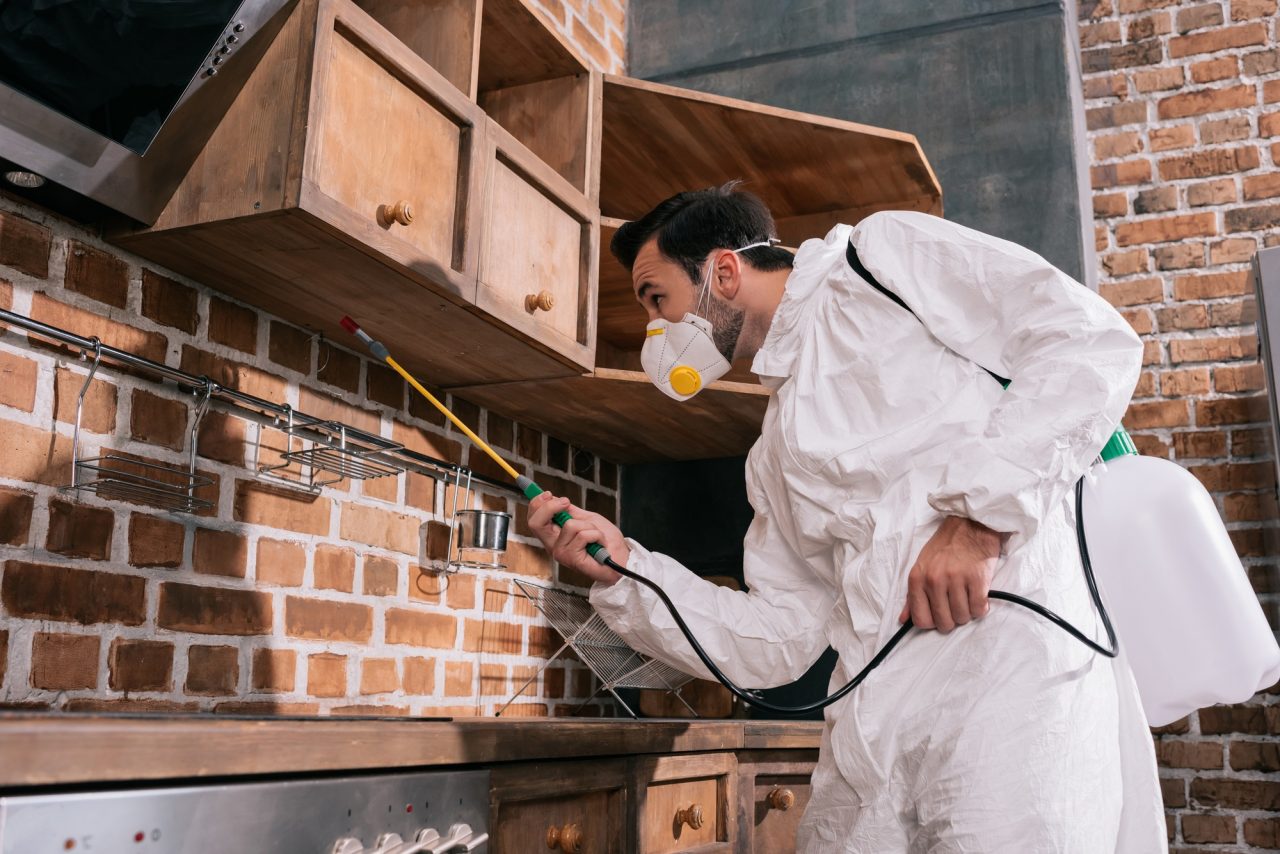
Professional inspection to detect visible and hidden mold growth, ensuring a safe and healthy living environment for your family.
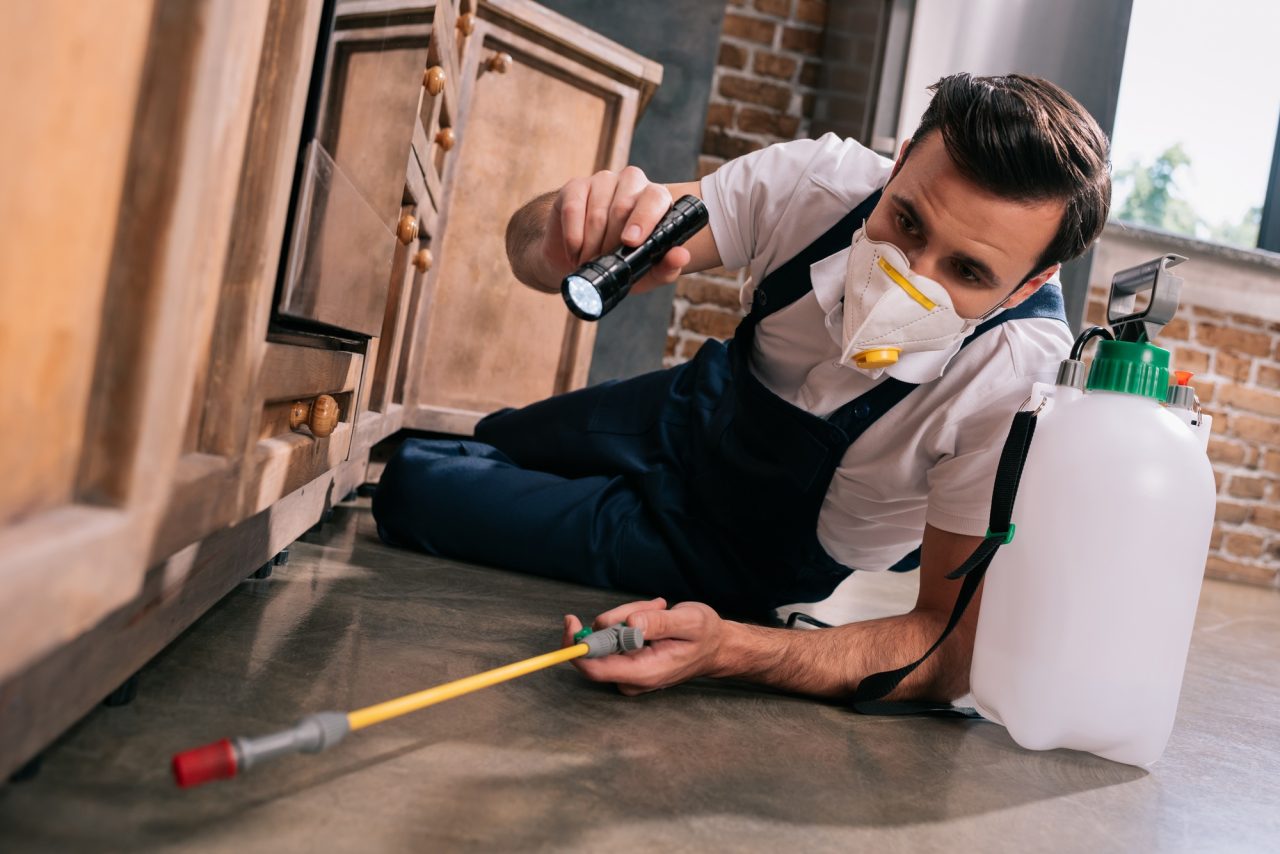
Comprehensive mold removal services for offices, buildings, and industrial spaces designed to maintain clean indoor air quality.

Accurate testing and analysis to identify mold spores and assess the air quality in your home or workplace.
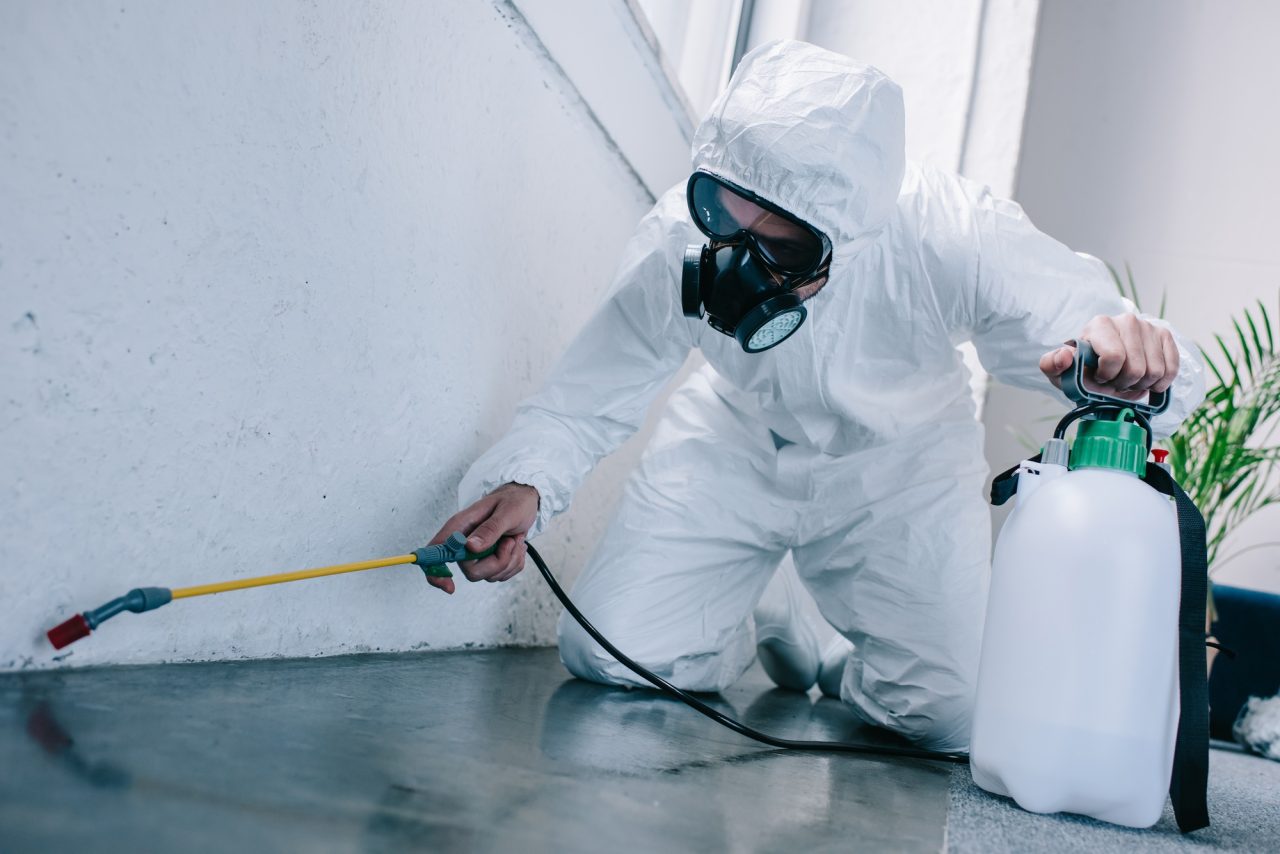
Advanced tools to identify sources of excess moisture and prevent future mold growth.
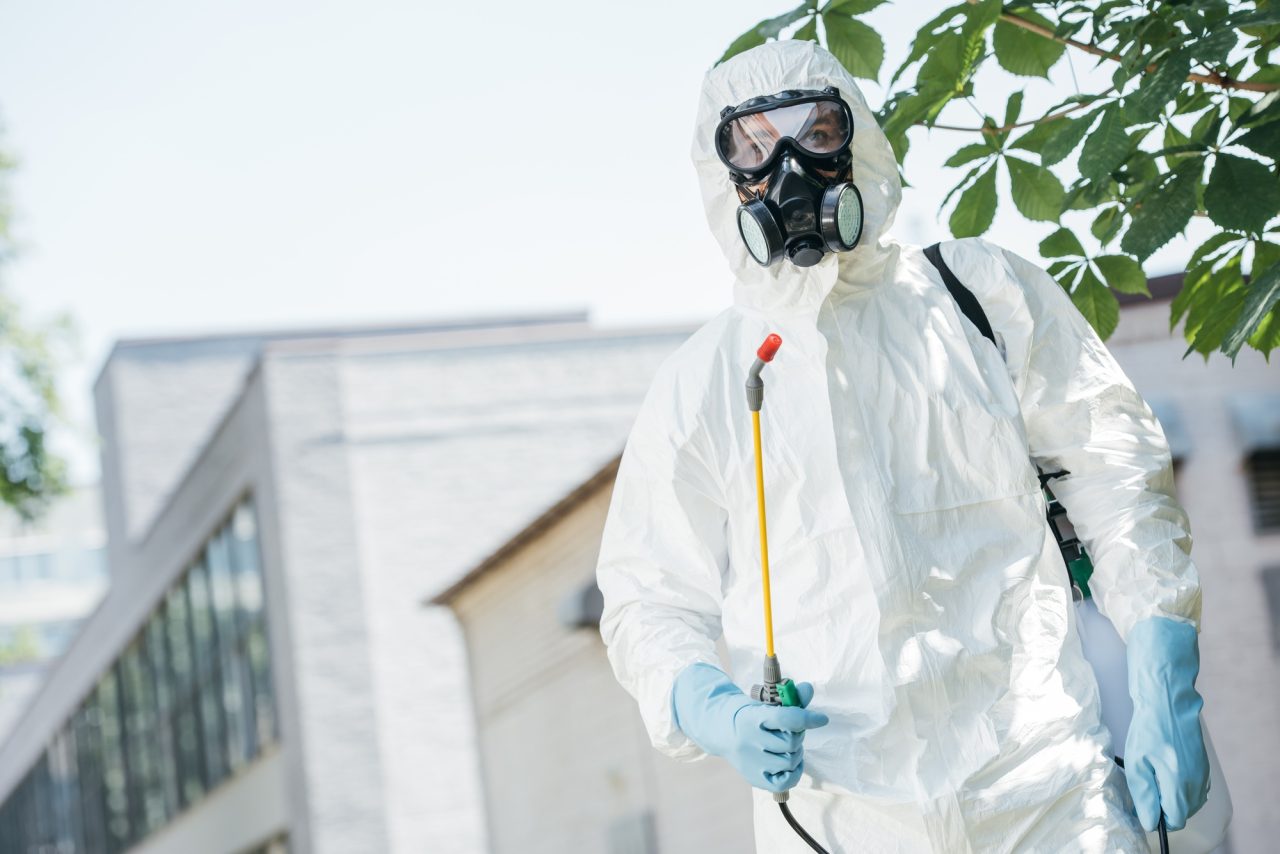
Fast-response remediation services available for urgent mold issues caused by flooding, leaks, or high humidity.
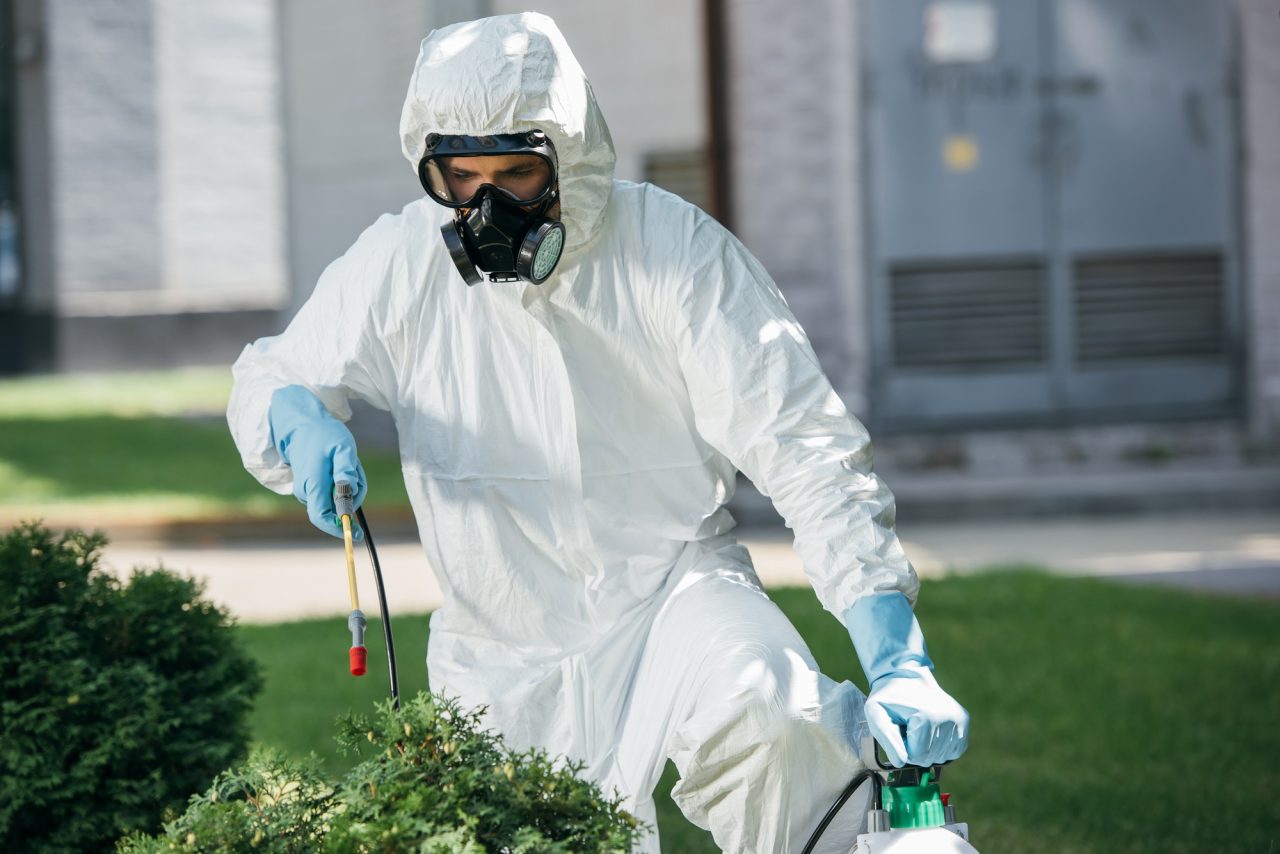
Safe, non-toxic products and sustainable cleaning methods that protect both your health and the environment.
Areas Served
Need More Help?
Our team is ready to provide expert mold removal assistance.
Get personalized guidance from our certified mold specialists to assess your situation and recommend the right service.
Need immediate mold inspection or removal? Submit a service request and our team will respond promptly.
For ongoing remediation projects or post-service maintenance, our support team is here to help.
Read our latest guides and articles on mold prevention, indoor air safety, and home maintenance.
Trusted by 25,000+ world-class brands and organizations of all sizes