
Welcome to EverClean Mold Removal
Mold Remediation Clearwater
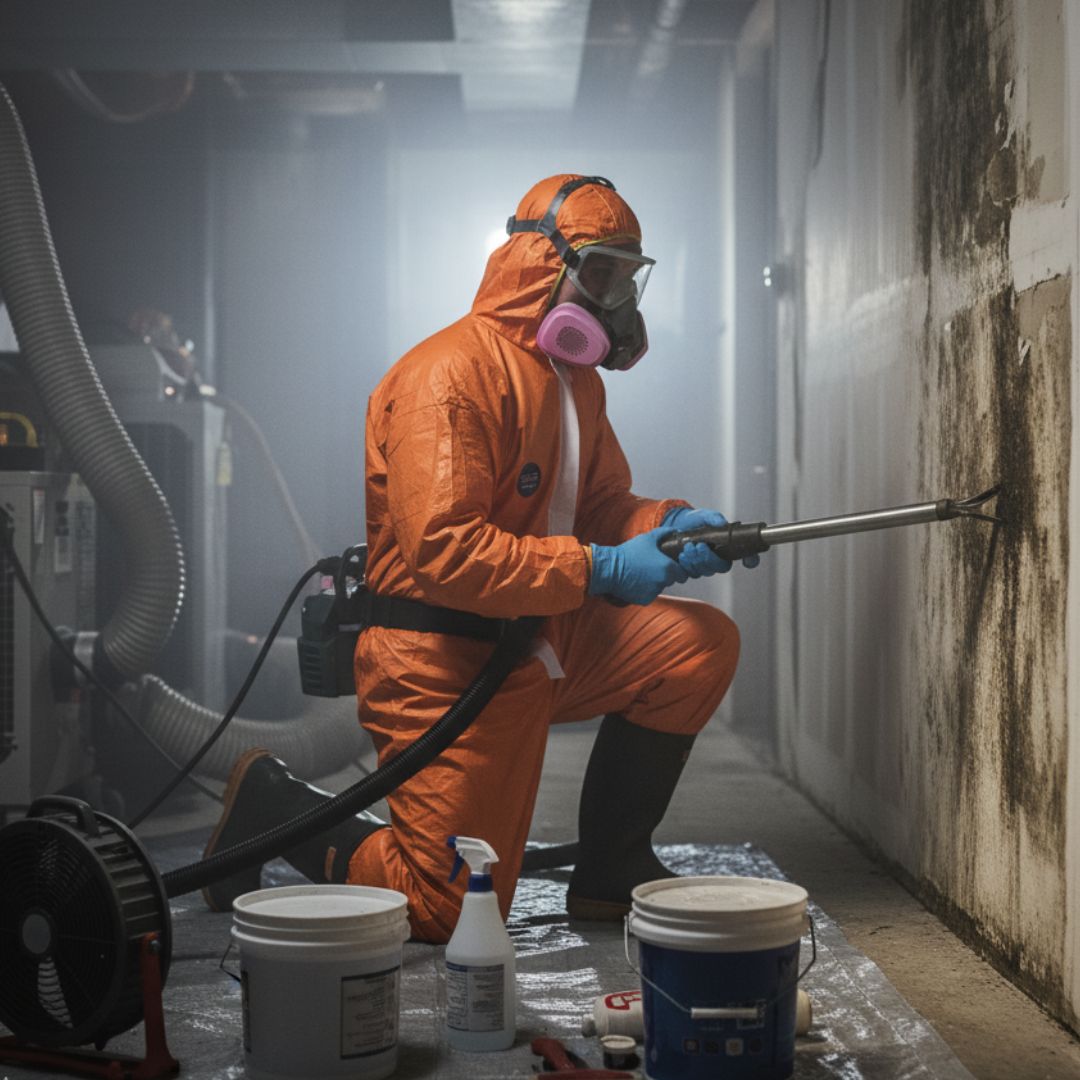
15+
Who we are
Get to Know the Experts Behind EverClean Mold Removal.
Dedicated to restoring healthy, mold-free spaces for over 15 years.
5 Comprehensive Guide to Mold Removal Clearwater: From DIY Tips to Professional HVAC Solutions
Mold remediation is a critical process for maintaining a safe, healthy home environment. Depending on the severity of the infestation, there are five distinct levels of mold remediation, ranging from minor DIY tasks to extensive professional interventions. Understanding these levels can help you determine the appropriate action and safeguard your indoor air quality.
Understanding Level 1 Water Damage Restoration in Clearwater FL for Small Isolated Areas
This level refers to small spots of mold growth, typically found on ceilings or walls in areas with high humidity (e.g., bathrooms). Homeowners can often address this level without professional help by following basic safety measures.
Steps for Level 1 Remediation:
– Wear protective gloves, goggles, and an N-95 respirator mask.
– Isolate the affected area by closing doors or using plastic sheeting.
– Clean non-porous surfaces (like tiles) with detergent and water. Dry thoroughly.
– Dispose of contaminated materials (e.g., sponges or cloths) in sealed bags.
When to Seek Help: If recurring mold appears despite cleaning, underlying moisture issues may need professional assessment.
Mold Remediation Clearwater FL: Mid-Sized Areas (10–30 Square Feet)
Level 2 involves slightly larger mold patches often found on drywall panels or ceiling tiles. This level might be manageable for skilled homeowners but requires more care than small isolates.
Key Considerations for Level 2:
– Use all personal protective equipment (PPE) listed in Level 1. – Seal any ventilation openings near the affected area to prevent spore spread.
– Remove and replace any materials that cannot be cleaned (such as porous drywall).
| Material | Remediation Approach |
| Non-Porous Surfaces | Clean and disinfect |
| Porous Materials | Remove and discard |
Professional Tip: Ensure proper ventilation during cleanup to reduce airborne contaminants.
Effective Clearwater Mold Remediation for Large Isolated Areas (30–100 Square Feet)
At this stage, mold contamination spans multiple areas or large sections of single surfaces. It is crucial to address not only the visible signs but also potential hidden growth caused by lingering moisture problems.
Recommended Actions for Larger Mold Issues:
– Consult a mold remediation specialist if unsure about handling safely. – Use HEPA vacuum systems post-cleanup to remove residual spores from surfaces. – Test adjacent spaces for signs of spore migration or new growth.
If HVAC systems are involved at this level, immediate professional attention is advised since spores can spread through ductwork into other parts of your home.
Level 4: Extensive Contamination (>100 Square Feet)
Significant contamination requires full-scale intervention due to health risks posed by high spore counts. This type of issue may arise after water damage or prolonged neglect in damp spaces like basements.
Characteristics of Level 4 Contamination:
– Multiple rooms affected with visible surface growth. – High chances of structural material damage requiring replacement.
Professional remediation teams are essential here because specialized equipment—like negative air machines—is needed to contain the spores while removing them safely without dispersing further contamination throughout your home.
Level 5: Expert Mold Removal Clearwater FL for HVAC Systems
Mold colonies within heating, ventilation, and air conditioning systems pose unique challenges since they directly affect indoor air circulation and quality across an entire building.
Steps Taken During Professional HVAC Cleanup:
1. Shut down all system operations immediately upon detecting mold presence.
2. Engage licensed HVAC technicians equipped with HEPA filtration vacuums specifically designed for duct cleaning processes. 3. Sanitize all accessible components including coils/fan compartments/motor housings using EPA-approved antimicrobial agents suitable against fungal species associated with molds such as Stachybotrys chartarum etc).
A thorough inspection post-service ensures no recurring risks before activating again
Understanding the Five Levels of Mold Remediation Clearwater Residents Should Know and When to Seek Professional Help
Mold remediation is a critical process for ensuring the safety and health of your living environment. Depending on the severity of contamination, mold removal can range from simple DIY tasks to extensive professional interventions. Below, we explore the five levels of mold remediation, helping you understand which situations require professional expertise and which can be handled independently.
Level 1: Small, Isolated Areas (Below 10 Square Feet) Explained by a Mold Specialist Clearwater
- Typical Locations: Bathrooms, kitchens, or areas near plumbing fixtures.
- Who Can Handle It: Homeowners or occupants with basic cleaning skills.
- Wear protective gloves, goggles, and an N95 respirator mask to minimize exposure.
- Use mild detergent or a commercial mold remover to clean affected surfaces such as tiles or painted walls.
- Ensure proper ventilation during cleanup by opening windows or using fans.
- Precautions: Avoid spreading spores by sealing off nearby areas with plastic sheeting.
Level 2: Medium-Sized Areas (10–30 Square Feet)
- Typical Locations: Walls, ceiling panels, or other slightly larger surfaces near water damage.
- Who Can Handle It: In most cases, competent DIYers with appropriate tools can manage this level.
- Contain the work area with plastic sheets and tape to prevent cross-contamination.
- Remove any contaminated porous materials like drywall that cannot be salvaged.
- Clean nonporous surfaces using antimicrobial solutions approved for mold treatment.
| Tools Needed | Purpose |
| N95 Mask | Protects against inhaling spores |
| Plastic Sheeting | Creates containment barrier |
| Scrub Brushes | Removes visible mold growth |
| Antifungal Cleaner | Kills remaining mold colonies |
Level 3: Large Isolated Areas (30–100 Square Feet)
- Typical Locations: HVAC units, secondary rooms impacted by leaks or flooding.
- Who Can Handle It: While technically possible for skilled individuals to attempt remediation at this level, professional help is advised for thoroughness and safety.
- Conduct an initial assessment using moisture meters or infrared cameras to identify hidden growth areas in walls or air ducts.
- Remove contaminated materials like carpet padding and replace them if needed.
- Disinfect all surfaces rigorously while using HEPA vacuums for spore collection.
Level 4: Extensive Contamination (Over 100 Square Feet)
At this stage, professional intervention is strongly recommended due to the health risks involved. Mold growth may impact structural integrity and require specialized equipment for safe removal.
Steps Taken By Professionals Include: 1. Comprehensive inspection of affected areas using advanced tools like thermal imaging cameras. 2. Sealing off contaminated spaces with airtight barriers equipped with negative air pressure machines. 3. Applying industrial-grade biocides followed by encapsulation treatments on porous materials.
Level 5: HVAC System Mold Contamination
Mold inside an HVAC system requires immediate attention due to its potential spread throughout your entire property via airflow.
Why Professional Help Is Essential: – Cleaning internal ductwork demands specialized tools like rotary brushes combined with HEPA-filtered vacuums for containment during cleaning activities.
– Technicians also assess filters regularly while recommending upgrades where necessary (e.g., HEPA-equipped systems).
Mold Remediation Professionals Clearwater FL: A Comprehensive Guide to Addressing Mold in HVAC and Air-Conditioning Systems
Mold contamination in HVAC (Heating, Ventilation, and Air Conditioning) systems can pose significant challenges, not only affecting air quality but also contributing to potential health risks for occupants. Understanding how to identify, address, and prevent mold growth in these systems is essential for maintaining a healthy indoor environment. This guide provides actionable steps and insights into tackling mold within HVAC systems effectively.
Signs of Mold in HVAC Systems
- Unusual Odors: A musty or earthy smell when the system is running.
- Visible Growth: Black, green, or white spots around vents or on duct surfaces.
- Increased Allergy Symptoms: Recurring respiratory issues such as sneezing, coughing, or itchy eyes while indoors.
- Reduced Efficiency: A decline in your HVAC system’s performance due to blockage from mold or debris buildup.
Step-by-Step Process for Addressing Mold in HVAC Systems
1. Turn Off the System
Before any mold remediation work begins, switch off the HVAC system to prevent spores from spreading further throughout the building.
2. Inspect Ductwork and Components
Assess all parts of the system thoroughly: – Check ducts for visible signs of contamination. – Inspect cooling coils and drip pans for mold growth. – Examine areas prone to moisture accumulation.
3. Use Protective Gear
To reduce exposure during cleanup: – Wear gloves, goggles, and an N95 mask. – Work in well-ventilated areas when possible.
4. Clean Contaminated Surfaces
For nonporous materials like metal ducts: – Use a detergent solution followed by disinfection using products containing EPA-approved antimicrobial agents. For porous components such as insulation: – Replace contaminated items that cannot be adequately cleaned. Mold can infiltrate deeper layers of these materials.
5. Dry Thoroughly
Ensure that all surfaces are completely dry after cleaning. Moisture left behind can promote new mold growth.
When to Consult Professionals
In certain cases, professional intervention may be necessary: 1. Widespread Contamination: If mold has spread across large portions of your system. 2. Persistent Odors: If foul odors persist despite thorough cleaning efforts. 3. Complex Layouts: For intricate duct configurations where manual cleaning is difficult. 4. Health Concerns: In households with individuals sensitive to airborne irritants or allergens.
Professionals use advanced tools like HEPA vacuums and specialized antimicrobial treatments designed specifically for HVAC systems to ensure complete remediation.
| Situation | DIY Approach | Professional Help Recommended |
| Small visible spots near vents | Yes | No |
| Widespread duct contamination | No | Yes |
| Persistent odor issue | Attempt cleaning | Yes |
| Mold on porous insulation | Replace material | Yes |
Preventing Future Mold Growth in HVAC Systems
- Keep indoor humidity below 60%, ideally between 30%–50%.
- Use dehumidifiers if necessary during humid months.
- Clean drip pans regularly to avoid stagnant water buildup.
- Change air filters every 1–3 months depending on usage.
- Seal Ducts Properly
Leaks allow moist air into ducts—ensure all joints are sealed correctly. - Use UV Light Technology
Installing UV lights inside the ductwork reduces microbial growth by targeting spores directly.
By following these steps carefully and prioritizing prevention strategies moving forward, you’ll help maintain both an efficient HVAC system and healthier indoor conditions overall without excessive reliance on costly interventions over time.
Exploring Mold Remediation for Moderate to Large Affected Areas: Tips and Solutions
Mold contamination in moderate to large areas can pose serious health risks and structural issues if left unaddressed. When dealing with a significant mold problem, understanding how to safely and effectively carry out remediation is essential. Below are practical tips, solutions, and best practices for addressing moderate to large areas affected by mold.
Assess the Extent of Contamination
- Moderate Contamination: Covers 10–30 square feet—typically manageable with proper precautions.
- Large Contamination: Covers more than 30 square feet—requires specialized tools and often professional services due to increased health risks.
Use moisture meters or infrared cameras to identify hidden mold growth that may not be visible.
Necessary Safety Precautions
Whether you are handling moderate contamination yourself or hiring professionals for large-scale cleanup, safety should be your top priority. Mold spores can easily become airborne during remediation, increasing exposure risks.
For DIY Projects:
– Wear personal protective equipment (PPE), including gloves, goggles, and an N95 respirator mask.
– Seal off affected areas using plastic sheeting to prevent spores from spreading.
– Use an air purifier with a HEPA filter in the workspace.
Cleaning Methods for Moderate Areas
- Close doors or seal openings with plastic sheeting.
- Turn off HVAC systems that could circulate spores throughout your home.
- Dispose of porous items like carpets, drywall, or insulation that cannot be salvaged.
- Place contaminated materials in sealed plastic bags before discarding them.
- Use a detergent-based cleaning solution or commercial mold remover on nonporous surfaces.
- Scrub hard surfaces like tiles or metal thoroughly using brushes.
- Allow cleaned areas to dry completely before applying any fungicidal coating.
Addressing Large Affected Areas
Professional Services Typically Include:
1. Comprehensive air quality testing before cleanup begins. 2. Deployment of industrial-grade HEPA vacuum systems for debris removal. 3. Full containment of the work area using negative air pressure chambers. 4. Application of antimicrobial treatments on all exposed surfaces. 5. Post-remediation verification testing (with lab reports) ensuring all mold has been removed effectively.
| Area Size | Recommended Action | Tools/Equipment Needed |
| Less than 10 sq ft | DIY possible with proper PPE | Basic cleaning agents |
| 10–30 sq ft | DIY feasible; proceed cautiously | HEPA vacuum, fungicide |
| More than 30 sq ft | Professional services strongly recommended | Advanced containment tools |
Preventing Future Mold Growth
Remediating moderate-to-large-scale mold is only part of the process—implementing preventative measures is equally important:
– Fix leaks and address sources of moisture immediately (e.g., plumbing repairs).
– Maintain indoor humidity levels below 50% using dehumidifiers if necessary.
– Ensure proper ventilation in rooms prone to dampness such as kitchens and bathrooms.
By combining thorough remediation techniques with preventative measures, you can protect your property from future infestations while safeguarding your household’s health long term.
Mold Remediation Levels Explained: From DIY Safety Measures to Professional HVAC Cleanup
Dealing with mold requires a structured approach to ensure safe and thorough remediation. Professionals categorize mold remediation into five distinct levels based on the extent of contamination and the complexity of cleanup. Understanding these levels can help homeowners decide when they can manage the process themselves and when it’s necessary to call in experts.
Level 1: Small Isolated Areas (Less than 10 Square Feet)
This level typically applies to small areas of mold growth, such as those found on ceiling tiles or wall panels in a single room. With proper precautions, this type of contamination can often be handled by the homeowner.
DIY Approach for Level 1:
– Wear gloves, goggles, and an N95 mask.
– Isolate the area to prevent spore spread by closing doors or using plastic sheeting.
– Clean hard surfaces with soap and water or a commercial mold cleaner.
– Discard porous materials (e.g., drywall, carpet) if they are extensively damaged.
– Dry the cleaned area completely to prevent regrowth.
When to Call a Professional: If individuals have respiratory sensitivities or allergies, it may be safer to consult professionals even for small areas.
Level 2: Mid-Sized Isolated Areas (10-30 Square Feet)
Level 2 includes larger isolated contamination zones like wall cavities or spaces behind insulation in multiple areas within a room.
Key Steps for Level 2 Cleanup:
1. Use proper protective gear as outlined in Level 1. 2. Seal off work areas with polyethylene sheeting and use negative air pressure if possible. 3. Remove contaminated materials like drywall carefully, avoiding excessive spore release. 4. Vacuum surrounding areas using HEPA-filtered vacuums after cleaning.
For mid-sized mold issues, hiring professionals ensures better control over spore containment while addressing underlying moisture problems effectively.
Level 3: Moderate Contamination (30-100 Square Feet)
At this level, mold spans larger sections of rooms or multiple spaces within the home. While still manageable without heavy industrial equipment, professional assessment is highly recommended due to increased health risks.
Professional Measures Include:
– Conducting air quality testing before and after remediation. – Using advanced sealing methods to isolate affected zones. – Employing HEPA-filtered scrubbers throughout the cleaning process.
Homeowners should avoid tackling this level without expert supervision due to risks associated with spore dissemination and improper cleanup procedures.
Level 4: Extensive Mold Contamination (>100 Square Feet)
This stage involves significant contamination that affects large portions of homes or commercial buildings. The health hazards at this level are considerable; thus, strict safety protocols must be followed throughout remediation efforts.
Why Professionals Are Essential for Level 4 Remediation:
– Use of containment chambers with negative air pressure systems. – Employment of specialized industrial-grade equipment such as dehumidifiers and air scrubbers. – Disposal procedures compliant with local regulations for hazardous materials.
Extensive infestations often stem from long-term water damage that requires structural repairs alongside mold removal services.
Level 5: Mold Growth Within HVAC Systems
Mold inside HVAC systems is especially challenging due to its potential impact on indoor air quality across an entire building. This type of contamination demands immediate professional attention since spores can circulate rapidly through ductwork into every room.
Steps Taken by Professionals During HVAC Mold Remediation:
| Procedure | Purpose | |————————————|——————————————| | Duct Inspection | Assessing scope and location of growth | | Air Filtration Using HEPA Systems | Removing airborne spores during cleanup | | Cleaning Coils & Drain Pans | Eliminating sources contributing moisture | | Application of Antimicrobial Agents | Preventing regrowth post-removal |
Because HVAC systems involve intricate components that require specialized skills for cleaning without causing damage, attempting a DIY solution may lead to greater complications down the line.
Understanding these five levels allows homeowners to assess their situation accurately while ensuring timely intervention where needed. Proper safety practices combined with professional expertise help minimize health risks while restoring indoor environments effectively.
Our value
Your Trusted Partner for Professional Mold Removal & Remediation Solutions
We are committed to helping homeowners and businesses create safe, healthy, and mold-free environments. Our certified experts provide thorough inspections, advanced remediation, and long-term prevention to ensure lasting protection for your property.
To be the leading mold remediation company known for restoring safe indoor environments and improving the health and well-being of every client we serve.
To provide reliable, eco-friendly, and efficient mold removal services using advanced technology and industry best practices — ensuring your home remains clean, dry, and free from harmful mold.
What we offer
Customized Pest Control Plans for Homes and Businesses.
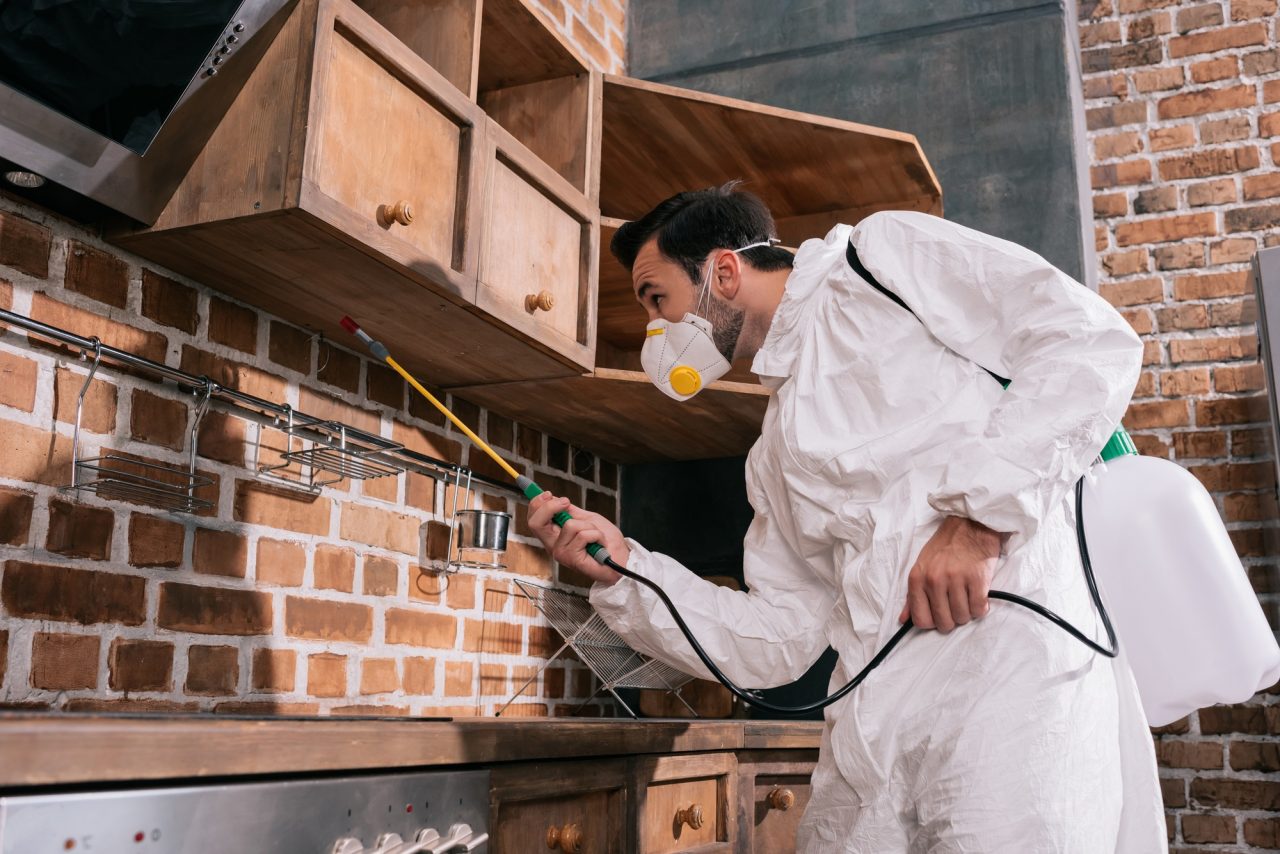
Professional inspection to detect visible and hidden mold growth, ensuring a safe and healthy living environment for your family.
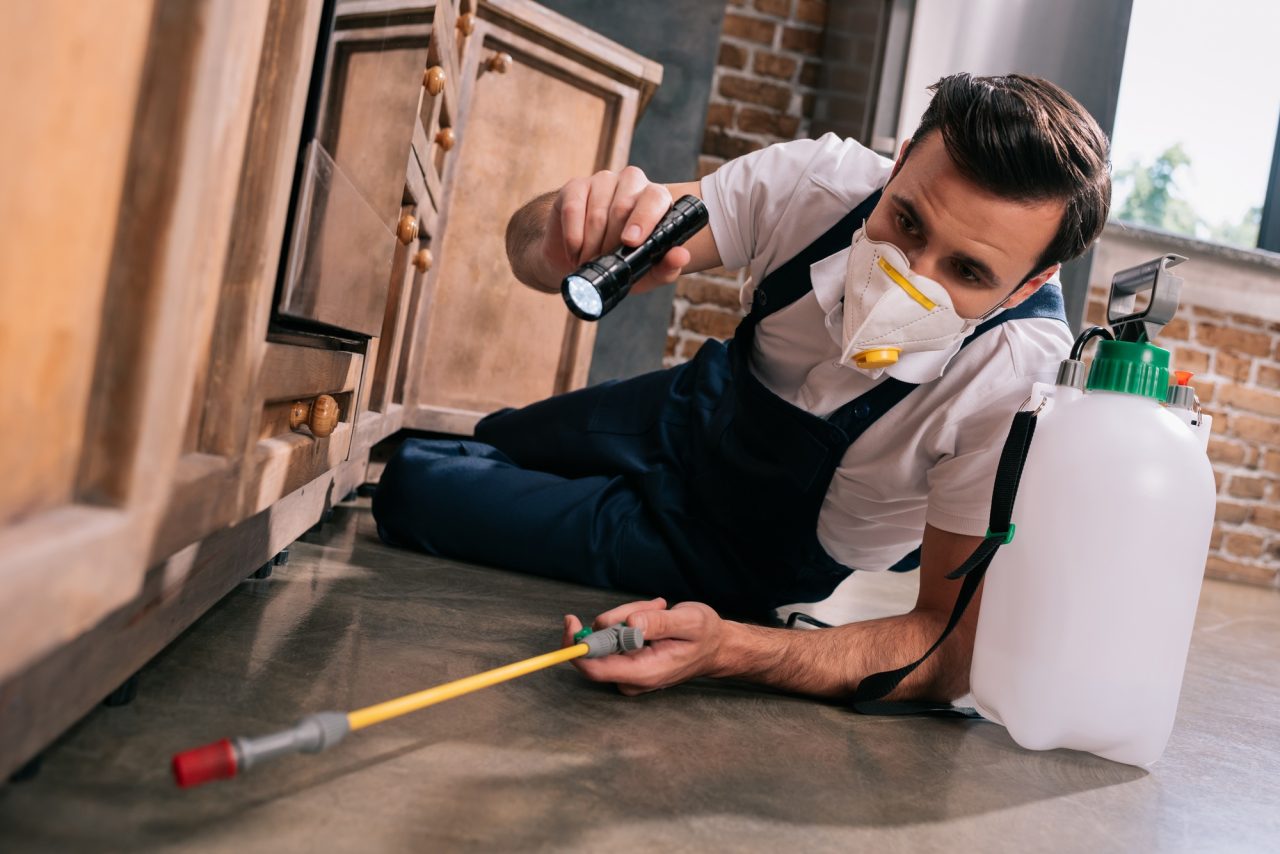
Comprehensive mold removal services for offices, buildings, and industrial spaces designed to maintain clean indoor air quality.
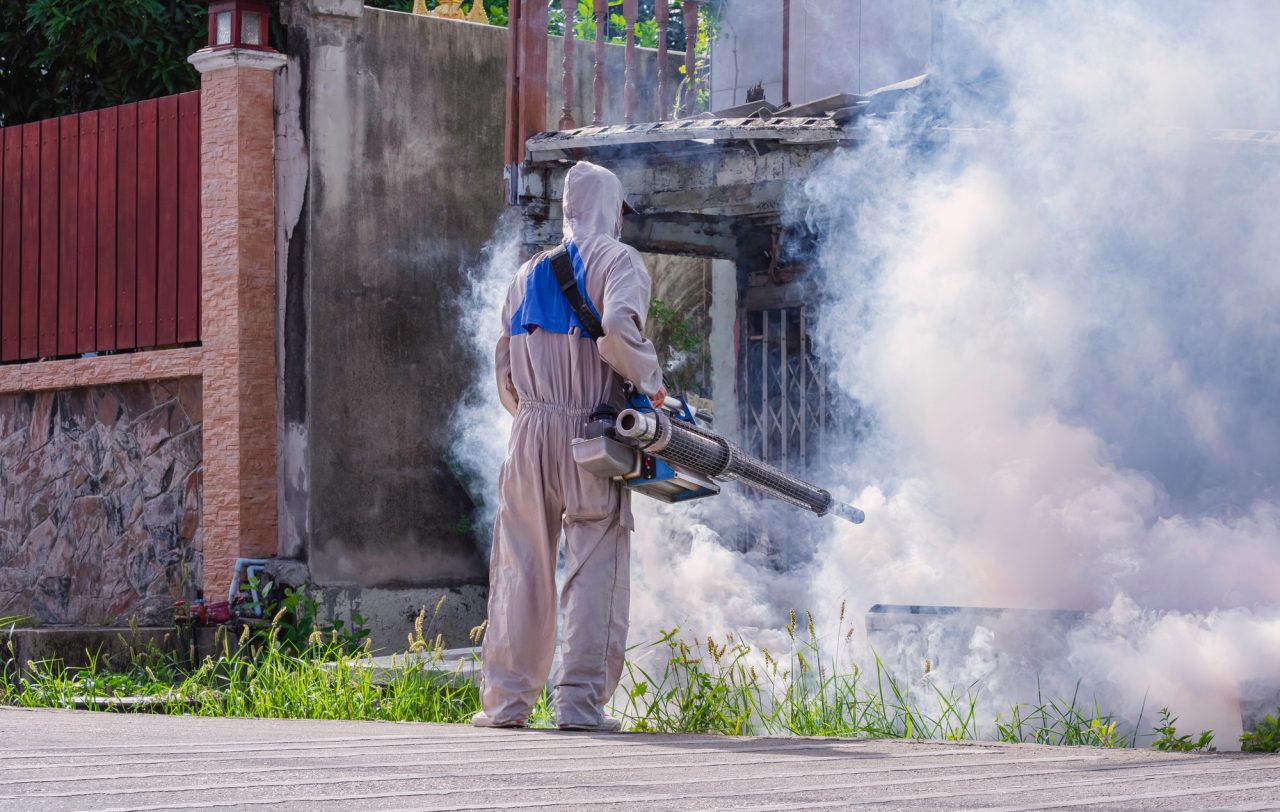
Accurate testing and analysis to identify mold spores and assess the air quality in your home or workplace.
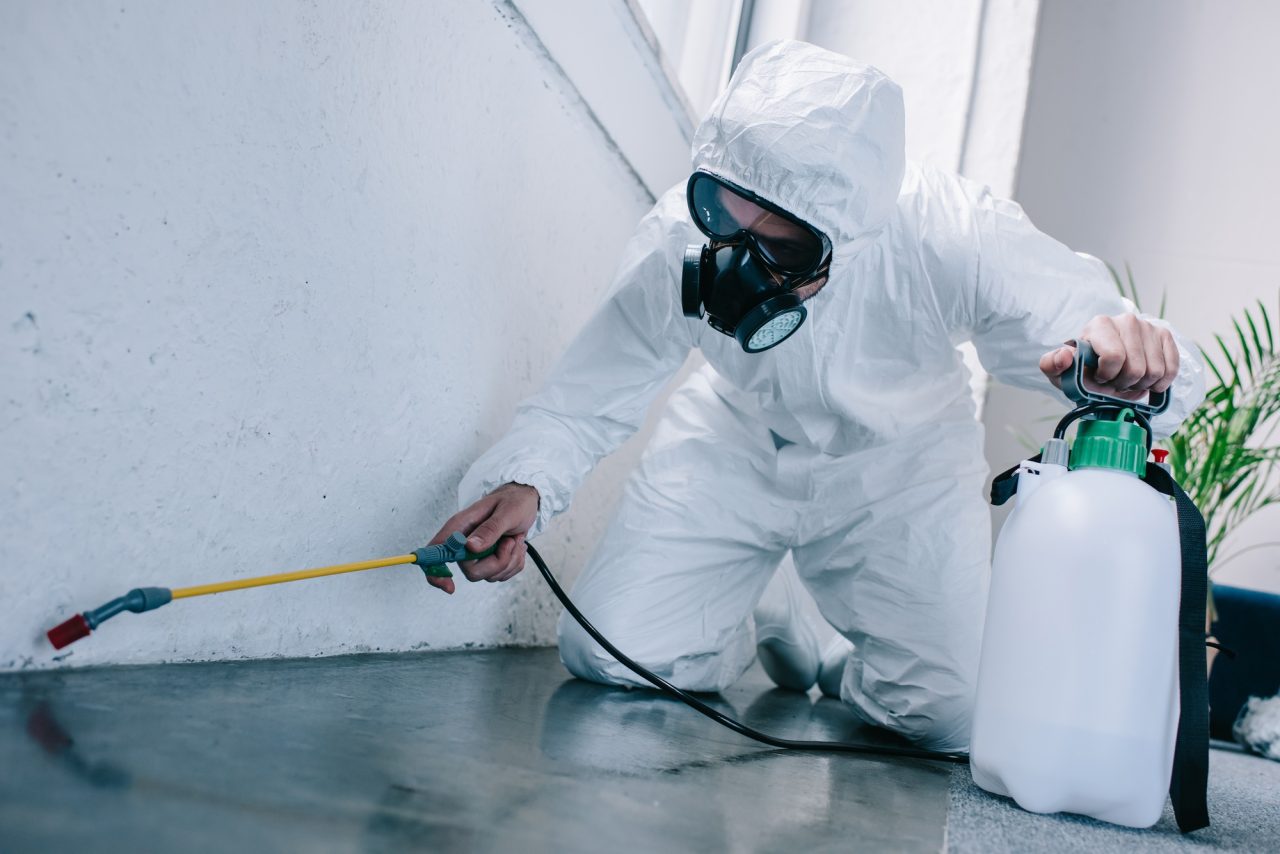
Advanced tools to identify sources of excess moisture and prevent future mold growth.
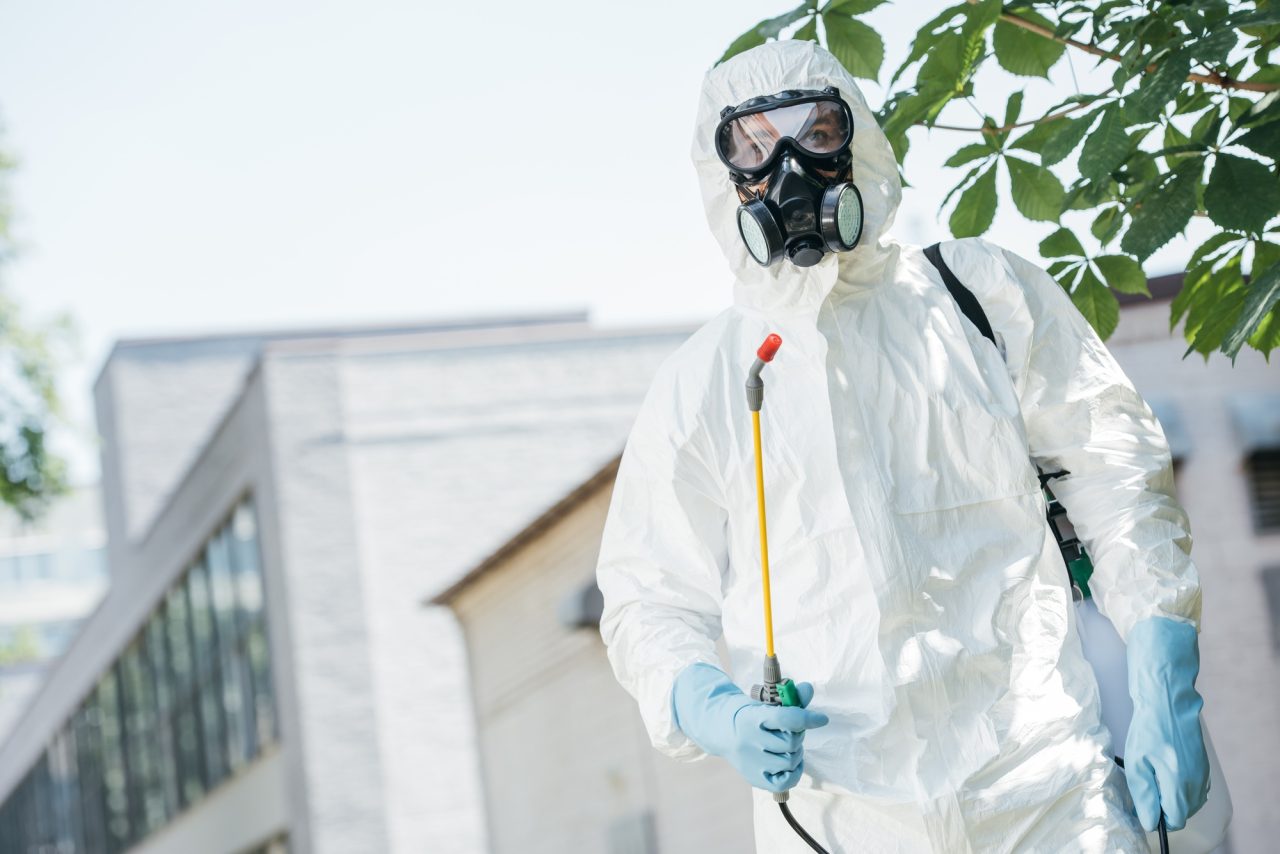
Fast-response remediation services available for urgent mold issues caused by flooding, leaks, or high humidity.
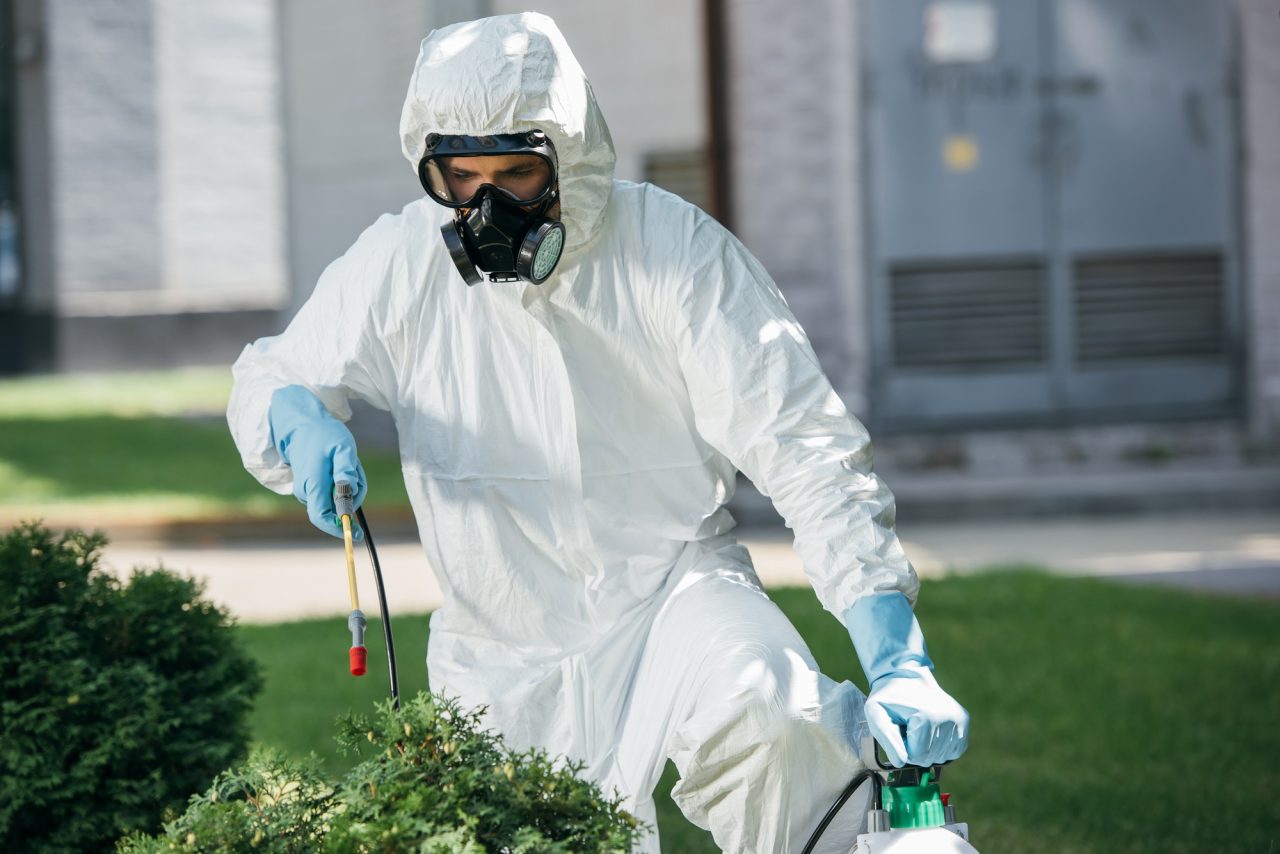
Safe, non-toxic products and sustainable cleaning methods that protect both your health and the environment.
Areas Served
Need More Help?
Our team is ready to provide expert mold removal assistance.
Get personalized guidance from our certified mold specialists to assess your situation and recommend the right service.
Need immediate mold inspection or removal? Submit a service request and our team will respond promptly.
For ongoing remediation projects or post-service maintenance, our support team is here to help.
Read our latest guides and articles on mold prevention, indoor air safety, and home maintenance.
Trusted by 25,000+ world-class brands and organizations of all sizes