
Welcome to EverClean Mold Removal
Mold Remediation Cape Coral
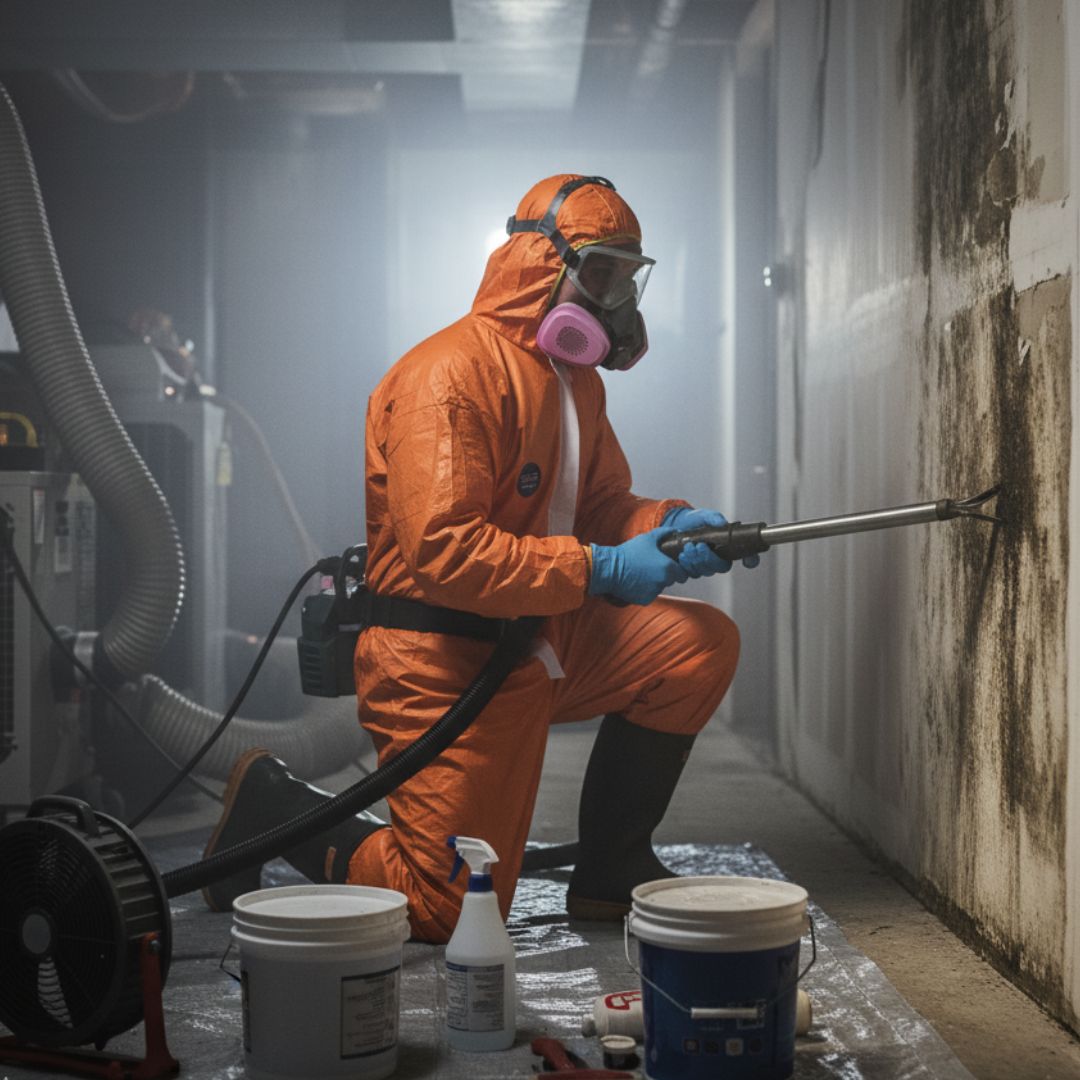
15+
Who we are
Get to Know the Experts Behind EverClean Mold Removal.
Dedicated to restoring healthy, mold-free spaces for over 15 years.
Effective Mold Removal Cape Coral: Strategies for Remediation and Prevention
Mold remediation is a critical process for maintaining a healthy indoor environment. Mold growth can damage property, degrade air quality, and pose significant health risks when left untreated. To effectively address this issue, it’s essential to understand the strategies and techniques that ensure the successful removal of mold while preventing future outbreaks.
Steps for Effective Mold Remediation
Effective mold remediation involves a systematic approach to identify, remove, and prevent mold growth.
- Conduct a thorough visual inspection of the affected areas.
- Identify sources of moisture contributing to mold growth (e. g. , roof leaks, plumbing issues).
- Use tools like moisture meters or infrared cameras to detect hidden water damage.
- Seal off contaminated areas using plastic sheeting or barriers to prevent spores from spreading.
- Utilize negative air pressure systems with HEPA filters to maintain containment.
- Safely remove porous materials such as drywall, carpeting, or insulation that are severely affected.
- Use specialized cleaning solutions on non-porous surfaces like glass or metal.
- Scrub hard surfaces with detergent solutions and rinse thoroughly.
- Apply EPA-approved biocides or antifungal agents where necessary.
- Use industrial dehumidifiers and air movers to eliminate excess moisture.
- Monitor humidity levels until they stabilize below 50%.
- Fix leaks in roofing, plumbing lines, or HVAC systems.
- Ensure proper drainage around your property to minimize water accumulation.
Prevention Strategies
Prevention plays an integral role in maintaining a mold-free environment once remediation is complete.
- Maintain indoor humidity levels between 30%–50%.
- Increase ventilation in high-humidity areas such as bathrooms and kitchens by using exhaust fans.
- Regularly inspect gutters and downspouts for clogs or damage.
- Repair cracks in walls or foundations promptly to prevent water intrusion.
- Use mold-resistant building materials during renovations (e. g. , treated wood or moisture-resistant drywall).
Common Mistakes in Mold Removal
| Mistake | Explanation |
| Ignoring Small Leaks | Even minor water sources can lead to significant mold over time. |
| Using Bleach Incorrectly | While bleach may clean some surfaces, it cannot penetrate porous materials. |
| Delaying Professional Help | Extensive infestations often require trained specialists for proper removal. |
Importance of Professional Guidance
While DIY methods may work for small-scale infestations, larger problems often demand professional intervention due to their complexity. Certified professionals have access to advanced equipment (like HEPA vacuums) and industry-standard protocols that guarantee thorough treatment.
By adhering to these techniques and prevention measures, homeowners can effectively safeguard their properties against recurring mold issues while fostering a healthier living space.
How Mold Remediation Cape Coral Services Protect Your Home and Achieve Their Goal
Mold remediation is a critical process aimed at addressing and resolving issues caused by mold growth in residential or commercial properties. The goal is not merely to remove visible mold but to address the underlying causes, prevent recurrence, and ensure a safe and healthy environment for occupants. Mold remediation protects your property, its structural integrity, and your health.
The Importance of Mold Inspection Cape Coral
Mold can lead to significant damage if left untreated.
- Health Protection: Exposure to mold can trigger allergic reactions, asthma attacks, respiratory infections, or other health issues. Proper removal reduces these risks.
- Preventing Structural Damage: Mold often grows on wood, drywall, insulation, or carpets, causing decay over time. Remediation helps preserve these materials.
- Maintaining Property Value: Mold infestations can lower property values significantly. Addressing the issue promptly ensures your home remains marketable.
- Avoiding Future Problems: Proper remediation addresses root causes such as leaks or humidity problems to prevent recurrence.
Effective Water Damage Restoration Cape Coral FL and Mold Remediation Goals
- Conduct thorough inspections using specialized tools like moisture meters and thermal imaging cameras.
- Pay attention to hidden areas such as beneath flooring, inside walls, attics, basements, or crawl spaces.
- Prevent the spread of mold spores by isolating affected areas with plastic sheeting or negative air pressure systems.
- Porous materials like drywall or carpeting often cannot be fully cleaned and may need removal.
- Non-porous surfaces are cleaned using methods such as scrubbing with detergent solutions or HEPA vacuuming.
- Use HEPA filters during remediation to capture airborne spores and improve indoor air quality throughout the process.
- Address underlying issues such as plumbing leaks or poor ventilation that contribute to high humidity levels.
- Replace damaged materials (e. g. , drywall) with new components while ensuring proper sealing and painting methods are used to inhibit future mold growth.
Regular Inspections
Schedule routine checks for signs of water intrusion around windowsills, roofs, plumbing pipes, and basements.
Maintain Optimal Humidity
- Keep indoor humidity levels between 30–50% using dehumidifiers if needed.
- Ensure proper ventilation in high-moisture areas like bathrooms or laundry rooms by installing exhaust fans.
Repair Water Leaks Promptly
Address any plumbing leaks immediately to prevent moisture buildup that encourages mold growth.
Key Steps in Cape Coral Mold Remediation
| Step | Purpose | Tools/Methods Used |
| Inspection | Identifies all areas affected by mold | Moisture meters; visual checks |
| Containment | Prevents spreading during cleanup | Plastic barriers; negative air pressure |
| Removal | Eliminates contaminated materials | HEPA vacuums; specialized cleaning agents |
| Air Filtration | Improves indoor air quality | HEPA filters |
| Moisture Control | Tackles root causes of excess moisture | Leak repairs; dehumidifiers |
| Restoration | Restores property after damage | Replacement materials; repainting |
Mold remediation serves as both a corrective measure for existing problems and a preventive step toward long-term home protection. By addressing immediate concerns alongside their sources—including water damage—you ensure a healthier living space while safeguarding your property’s value over time.
Tips for Effective Mold Remediation Cape Coral FL: Addressing Hidden Hazards in Older Homes
Older homes often hold a unique charm, but they also come with their fair share of hidden hazards. These risks can include mold growth, water damage, and other structural issues that may go unnoticed during routine inspections. Understanding how to identify these problems is essential for maintaining a safe and healthy living environment.
Common Signs of Mold in Older Homes
Mold can thrive in older properties due to factors such as outdated plumbing systems, poor ventilation, and past water intrusion events.
- Visible discoloration: Look for black, green, or white patches on walls, ceilings, floors, or furniture.
- Peeling paint or wallpaper: This could indicate moisture buildup behind walls.
How to Spot Water Damage
Water damage often precedes mold growth. Identifying areas with water-related problems early can prevent further deterioration.
- Stains and discoloration: Brown or yellow stains on ceilings or walls typically signal a past leak.
- Warped surfaces: Floors that feel uneven or walls that appear swollen may have been exposed to excessive moisture.
- Cracked caulking: Around sinks, bathtubs, and windows this can allow water leakage over time.
- Damp odors: Areas like basements are particularly prone to holding onto moisture-related smells.
Other Structural Risks in Older Homes
| Hazard | Potential Impact | Suggested Action |
| Outdated plumbing | Leaks leading to mold growth | Inspect pipes regularly; replace as needed |
| Poor insulation | Encourages condensation and moisture buildup | Upgrade insulation materials |
| Asbestos-containing materials | Health risks if disturbed | Conduct professional asbestos testing |
| Lead paint | Toxic exposure | Test for lead; consider professional removal |
Tools for Identifying Hidden Hazards
- Conduct periodic inspections using tools such as moisture meters and thermal imaging devices to detect dampness behind walls.
- Use at-home mold test kits if you suspect fungal presence but cannot see visible signs of contamination.
- Hire certified inspectors who specialize in assessing older buildings for hidden risks like asbestos or lead-based paint.
Professional Assistance for Risk Mitigation
While minor issues can sometimes be addressed through DIY maintenance efforts (e. g. , sealing small cracks), hiring professionals is often necessary when dealing with complex challenges like pervasive mold infestations or significant structural damage. Certified experts bring the knowledge and equipment needed to assess the scope of the problem accurately and ensure remediation efforts meet safety standards.
Older homes may require ongoing care to address hidden hazards effectively. By learning how to identify potential risks early—including mold growth—homeowners can preserve property value while ensuring their living spaces remain both safe and comfortable over time.
Effective Mold Removal Cape Coral FL: Addressing Hidden Hazards in Older Homes
Older homes often possess a unique charm, but they also come with hidden risks. Over time, materials degrade, systems age, and vulnerabilities to moisture and structural damage increase. Mold and water damage are among the most common challenges homeowners face in older properties. Identifying these hazards early can prevent costly repairs and protect the health of your household.
Common Risk Factors in Older Homes
- Aging Plumbing Systems: Corrosion or leaks in pipes can cause undetected moisture issues behind walls or under floors.
- Poor Ventilation: Historic homes often lack modern ventilation systems, leading to increased humidity levels that promote mold growth.
- Worn Roofing Materials: Older roofs may have compromised shingles or flashing, allowing water infiltration during heavy rain.
- Basement Dampness: Many older homes have unfinished basements with poor drainage or waterproofing, creating an ideal environment for mold.
- Outdated Materials: Certain building materials used decades ago may be prone to trapping moisture or deteriorating over time.
Signs of Mold and Water Damage
Detecting mold or water damage requires attention to detail.
- Black or green spots on walls, ceilings, or floors.
- Fuzzy patches around windowsills or vents.
- A persistent damp smell that doesn’t go away with cleaning.
- Brownish-yellow stains on walls or ceilings often indicate past leaks.
- Bubbling paint layers are a sign of underlying moisture problems.
- Wood floors that buckle or laminate tiles that lift can indicate prolonged exposure to moisture.
- Respiratory issues like coughing, sneezing, or worsening asthma may hint at hidden mold growth.
Areas of Concern for Hidden Hazards
| Area | Potential Issue | Inspection Tip |
| Basement/Crawlspace | High humidity levels; poor drainage | Check for damp walls/floors |
| Attic | Roof leaks; poor insulation | Inspect roof structure after rainfall |
| Bathroom/Kitchen | Plumbing leaks; inadequate ventilation | Look under sinks/cabinets routinely |
| Exterior Walls | Cracked masonry; clogged gutters | Examine siding during heavy rain |
Addressing the Risks
- Fix plumbing leaks promptly.
- Ensure proper roof inspections and repairs as needed.
- Install dehumidifiers in high-moisture areas like basements.
- Improve ventilation by adding exhaust fans in bathrooms and kitchens.
- Remove old carpet if it has been exposed to repeated dampness.
By proactively addressing these risks, you can maintain the structural integrity of your home while reducing health complications caused by mold exposure. Knowledge is key when safeguarding older properties against hidden dangers like water damage and mold growth.
Expert Mold Remediation Professionals in Cape Coral FL Transforming Homes
When preparing a property for sale or rent, ensuring it is safe, clean, and free from mold is crucial. Mold not only poses health risks to potential occupants but also significantly impacts the value and appeal of a property. Transforming problem properties into mold-free, market-ready homes requires an organized approach that addresses both current issues and long-term prevention.
Finding the Right Mold Specialist Cape Coral: Steps to Address Problem Properties
- Conduct a thorough inspection of the property to identify visible mold growth as well as hidden moisture problems.
- Use tools like moisture meters or thermal imaging cameras to detect water damage in walls, ceilings, or floors.
- Pay special attention to areas prone to water exposure such as basements, bathrooms, kitchens, and attics.
- Isolate affected areas to prevent spores from spreading during the remediation process.
- Use plastic sheeting and negative air pressure systems when dealing with large-scale mold infestations.
- Remove any visible mold using appropriate cleaning agents such as antimicrobial solutions.
- For porous materials like drywall or insulation that are heavily contaminated, replacement may be necessary.
- Ensure proper disposal of all affected materials following local regulations.
- Repair leaks in plumbing systems or roofing that contribute to excess moisture.
- Improve drainage around the property’s foundation by cleaning gutters and grading soil away from exterior walls.
- Install dehumidifiers or ensure adequate ventilation in humid environments.
- Test air quality after remediation to confirm that mold levels are within acceptable limits.
- Work with certified professionals who can provide clearance documentation if required by buyers or renters.
Best Practices for Long-Term Mold Prevention
After remediation is complete, preventing future mold problems is key to maintaining a market-ready home.
- Regular Maintenance:
Schedule periodic inspections of HVAC systems, plumbing fixtures, and roofing structures to identify potential issues early. - Control Humidity Levels:
Aim to keep indoor humidity between 30%–50% year-round using dehumidifiers if necessary. Avoid allowing condensation on windows or walls during colder months. - Proper Ventilation Systems:
Install exhaust fans in high-moisture areas like bathrooms and kitchens. Ensure dryer vents lead outside rather than releasing warm air indoors. - Waterproofing Solutions:
Seal basement walls and floors with waterproof coatings and consider installing sump pumps where flooding risks are high.
| Prevention Measure | Recommended Frequency | Notes |
| Clean gutters | Twice per year | Prevents water pooling near foundation |
| Inspect roof for leaks | Annually | Focus on shingles and flashing |
| Test indoor humidity levels | Monthly | Adjust HVAC settings as needed |
| Service HVAC system | Semi-annually | Replace filters regularly |
Enhancing Property Value Through Mold-Free Living
Mold-free homes offer prospective buyers or renters peace of mind about their health and safety while also demonstrating the homeowner’s commitment to quality upkeep. Highlighting completed remediation efforts during showings—or providing documentation from licensed professionals—can increase trustworthiness among potential buyers. Additionally, emphasizing mold prevention features (e. g. , updated ventilation systems) adds value by showcasing long-term durability.
Our value
Your Trusted Partner for Professional Mold Removal & Remediation Solutions
We are committed to helping homeowners and businesses create safe, healthy, and mold-free environments. Our certified experts provide thorough inspections, advanced remediation, and long-term prevention to ensure lasting protection for your property.
To be the leading mold remediation company known for restoring safe indoor environments and improving the health and well-being of every client we serve.
To provide reliable, eco-friendly, and efficient mold removal services using advanced technology and industry best practices — ensuring your home remains clean, dry, and free from harmful mold.
What we offer
Customized Pest Control Plans for Homes and Businesses.
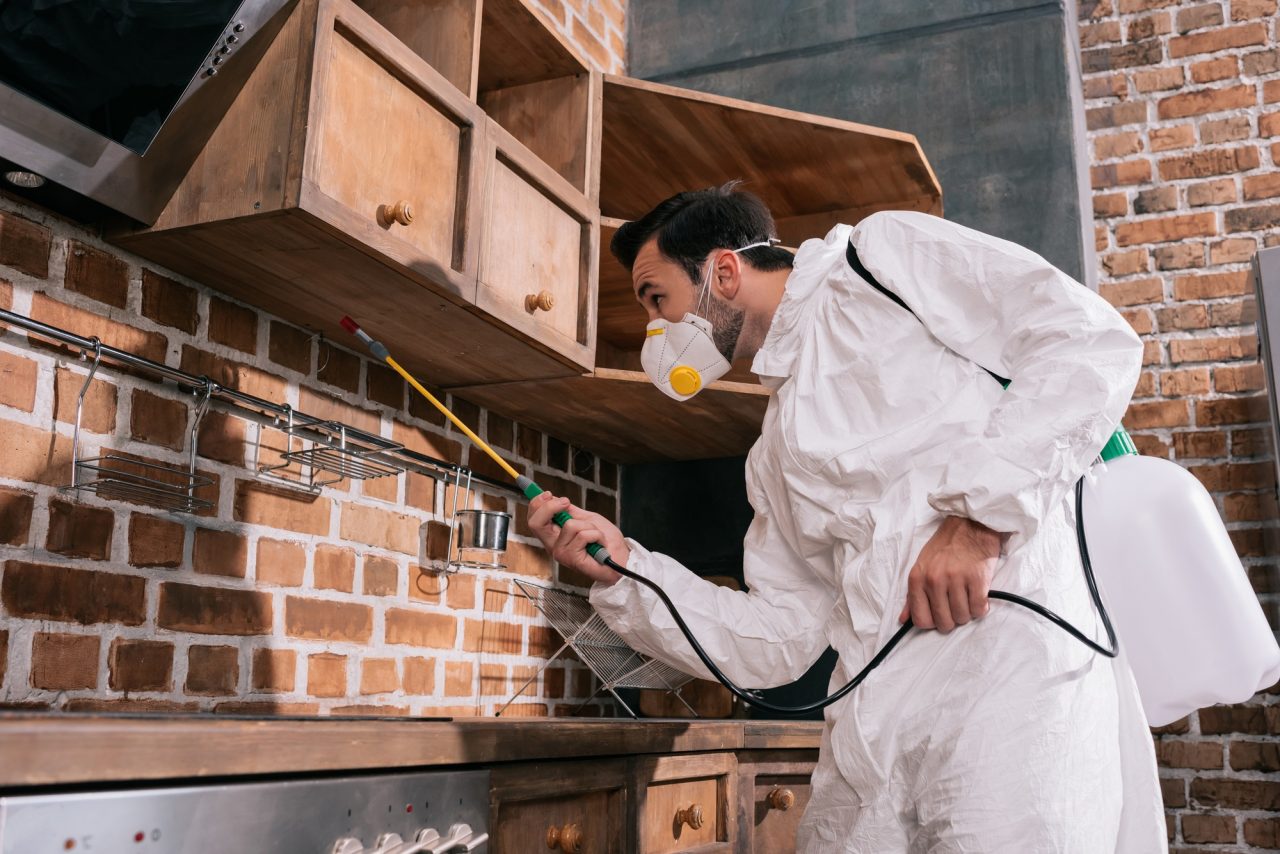
Professional inspection to detect visible and hidden mold growth, ensuring a safe and healthy living environment for your family.
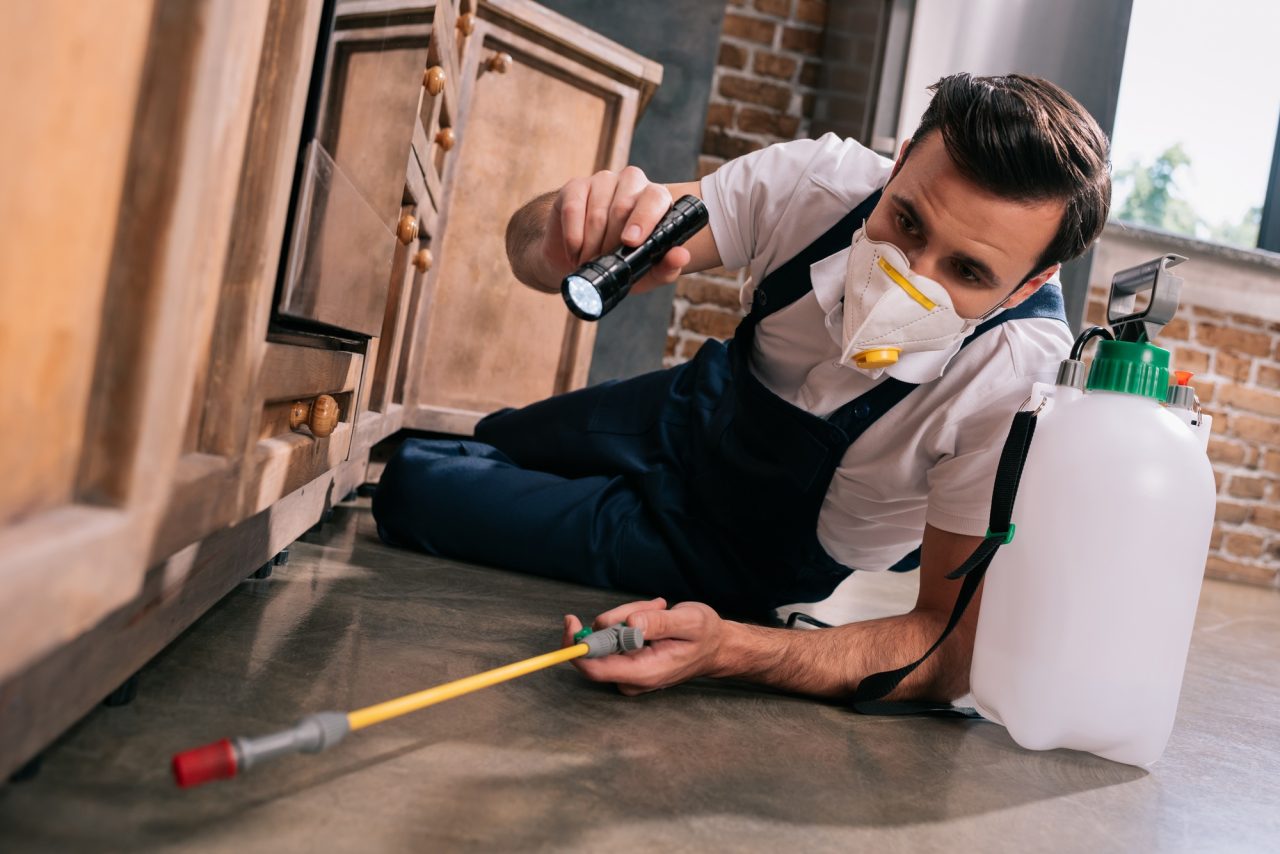
Comprehensive mold removal services for offices, buildings, and industrial spaces designed to maintain clean indoor air quality.
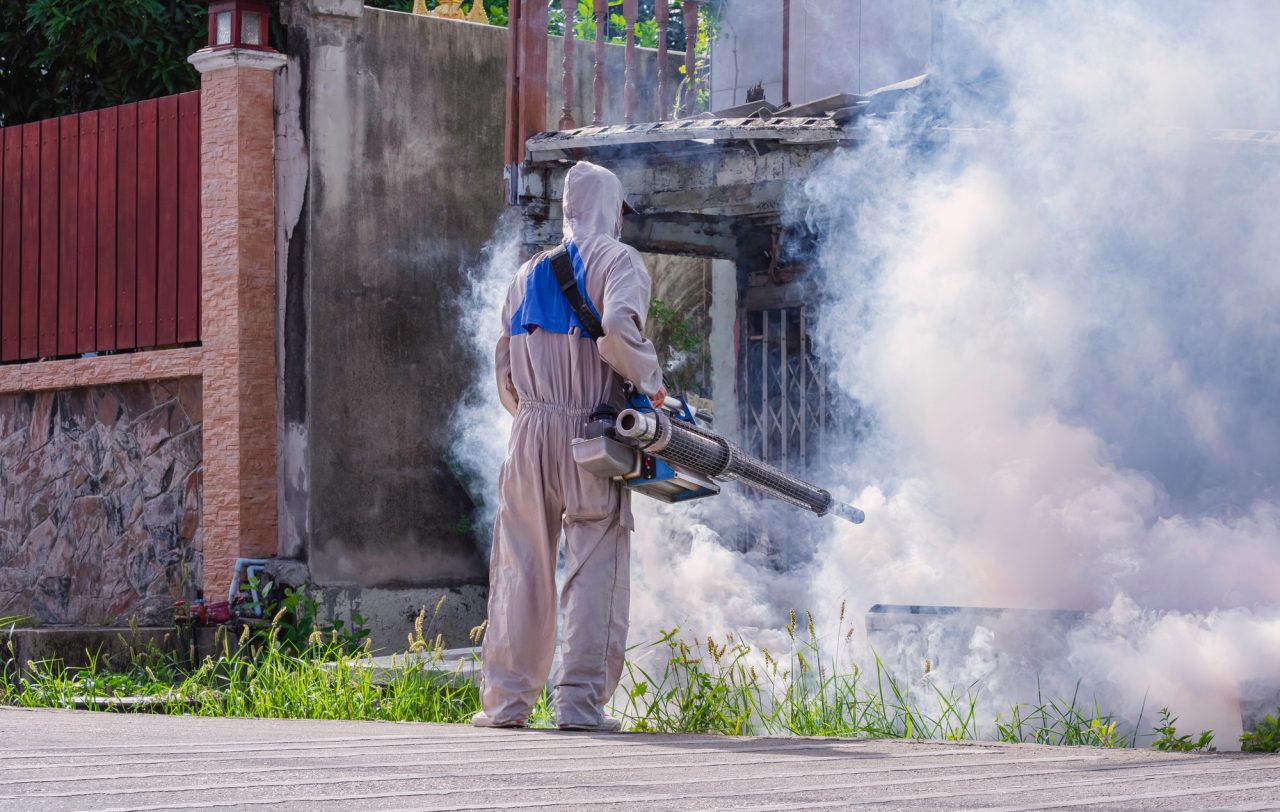
Accurate testing and analysis to identify mold spores and assess the air quality in your home or workplace.
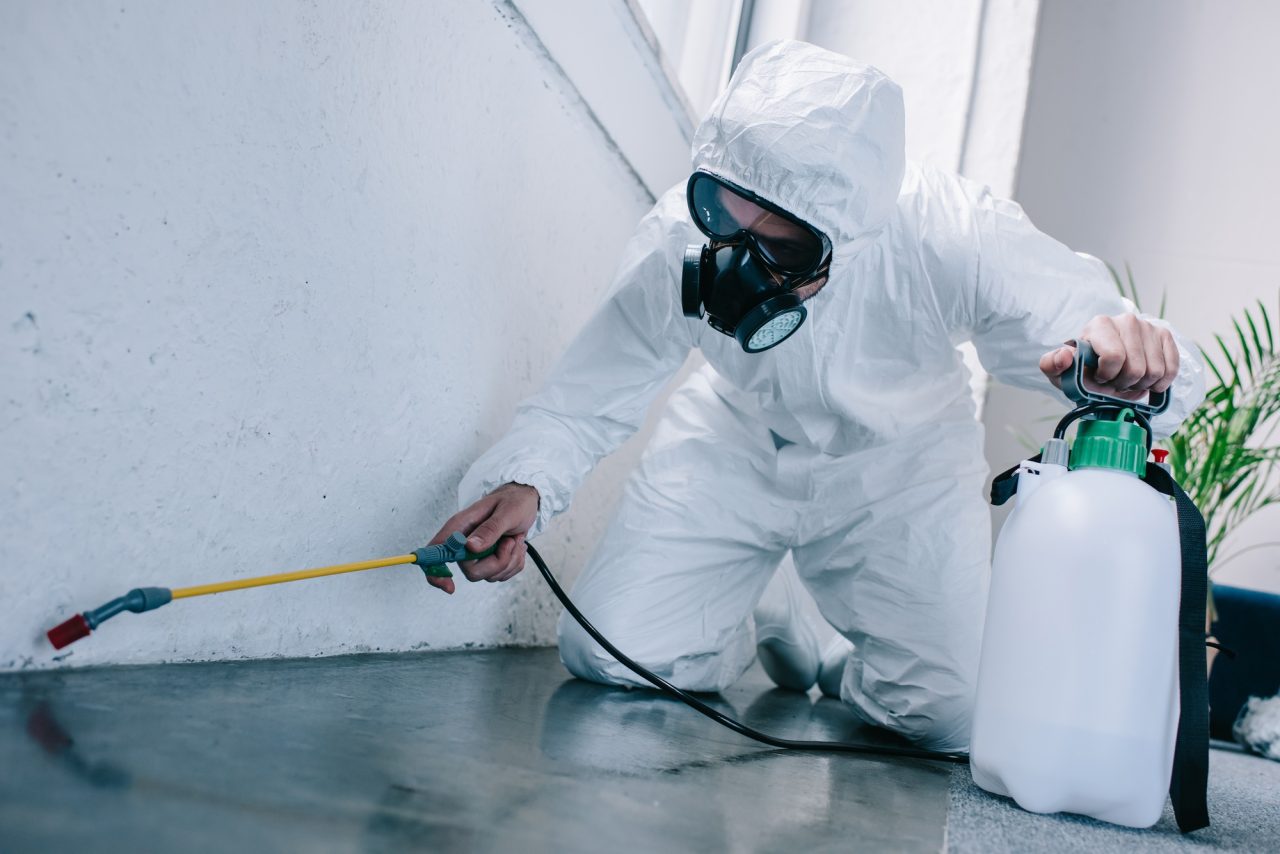
Advanced tools to identify sources of excess moisture and prevent future mold growth.
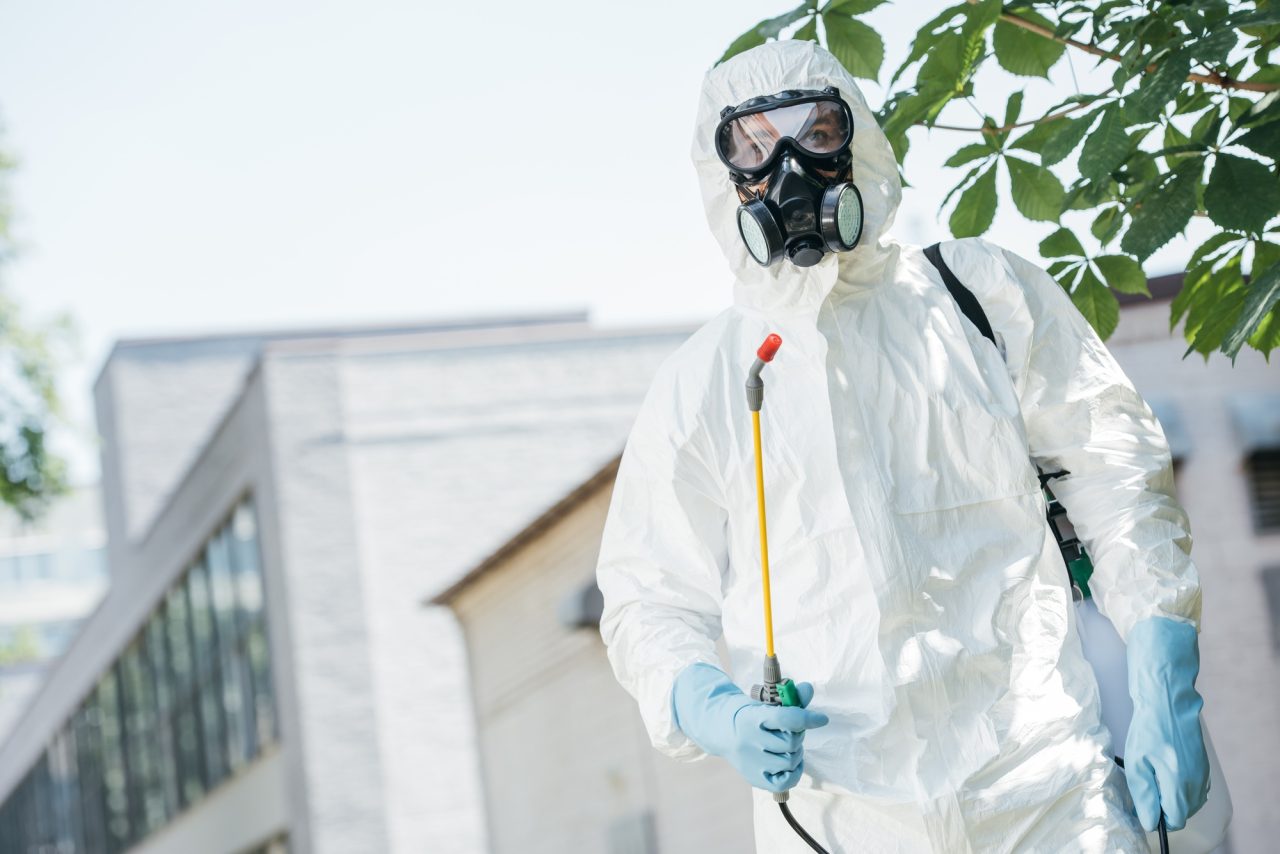
Fast-response remediation services available for urgent mold issues caused by flooding, leaks, or high humidity.
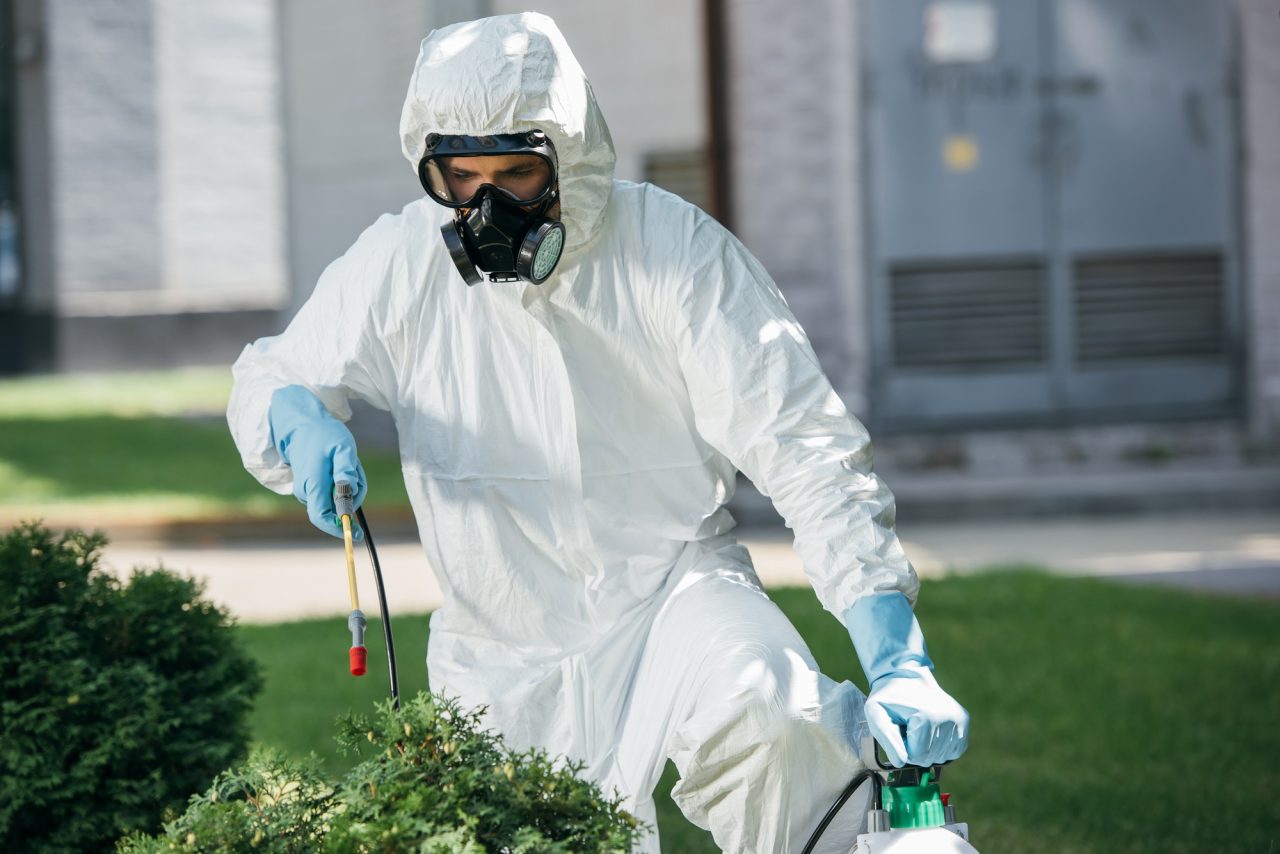
Safe, non-toxic products and sustainable cleaning methods that protect both your health and the environment.
Areas Served
Need More Help?
Our team is ready to provide expert mold removal assistance.
Get personalized guidance from our certified mold specialists to assess your situation and recommend the right service.
Need immediate mold inspection or removal? Submit a service request and our team will respond promptly.
For ongoing remediation projects or post-service maintenance, our support team is here to help.
Read our latest guides and articles on mold prevention, indoor air safety, and home maintenance.
Trusted by 25,000+ world-class brands and organizations of all sizes